
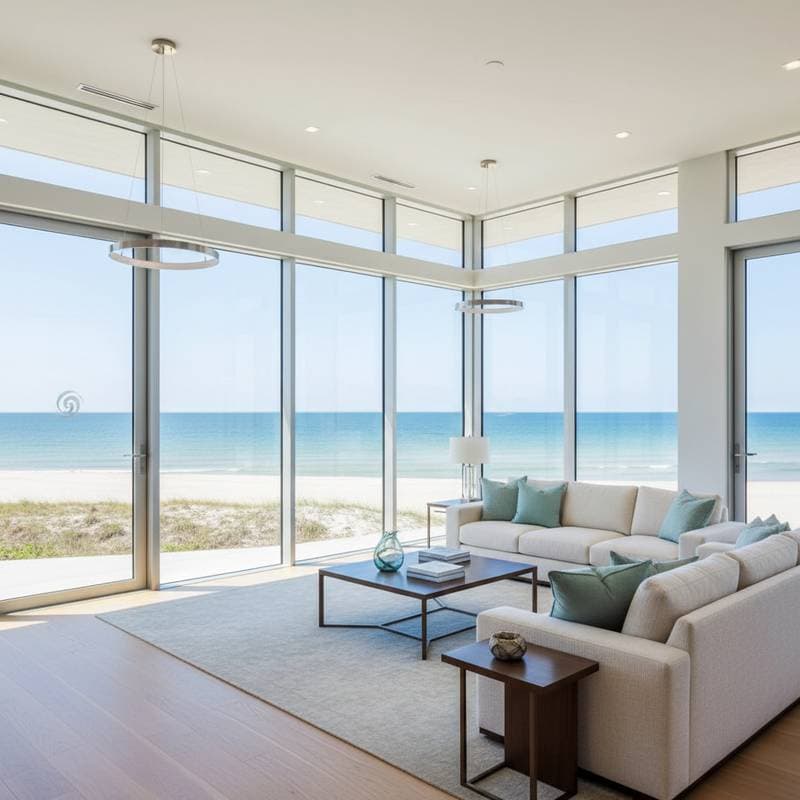
Impact Glass ROI: Real Payback From Coastal Remodels
Coastal homeowners often face unique challenges from wind, salt air, and storms. Impact glass offers a practical solution that combines protection with financial returns. This upgrade strengthens windows against debris while improving energy performance and comfort.
Key Benefits at a Glance
- Impact glass increases property value through enhanced safety and efficiency.
- Homeowners achieve 70 to 85 percent return on investment at resale.
- Annual savings from energy use and insurance average several hundred dollars.
- Reduced maintenance needs lower long term ownership costs.
- Noise reduction and UV filtering improve daily living conditions.
- Integration with other coastal upgrades maximizes overall project returns.
Understanding Impact Glass for Coastal Properties
Impact glass uses a laminated interlayer that keeps the pane intact even after impact. This construction prevents shattering and maintains a barrier against weather. Coastal conditions accelerate wear on ordinary windows, making this material a durable alternative that preserves appearance and function.
Installation Costs and Pricing Factors
Expect costs between 40 and 60 dollars per square foot installed. Full home projects typically range from 10,000 to 25,000 dollars based on size and specifications. Several variables affect the final price.
- Larger or custom shaped windows increase material and labor expenses.
- Aluminum or vinyl frames remain more affordable than wood alternatives.
- Direct waterfront exposure requires higher wind rated products.
- Local permits and labor rates vary by jurisdiction.
Obtain multiple bids from certified installers to confirm compliance with regional codes.
Measuring Financial Returns
Resale data shows consistent recovery of 70 to 85 percent of installation costs. Additional savings accumulate through reduced utility bills and lower insurance premiums.
Annual Savings Summary
| Category | Typical Range | Notes |
|---|---|---|
| Energy use | 300 to 600 dollars | Lower heat gain reduces cooling demand. |
| Insurance | 10 to 20 percent discount | Carriers offer credits for fortified construction. |
| Repairs | 200 to 400 dollars | Fewer replacements needed after storms. |
These figures compound over time and support strong property performance.
Daily Advantages Beyond Cost Recovery
Impact glass reduces outdoor noise transmission, creating quieter interiors near roads or waterfront activity. It also blocks most ultraviolet light, protecting furnishings from premature fading. The same laminated structure resists forced entry attempts, adding security without visible bars or screens.
Performance Comparison
| Attribute | Standard Windows | Impact Glass |
|---|---|---|
| Wind and debris resistance | Limited | High |
| Thermal performance | Average | Superior |
| Sound insulation | Low | Effective |
| Ultraviolet filtering | Minimal | Strong |
| Insurance incentives | Uncommon | Frequent |
| Service interval | Short | Extended |
Standard options require more frequent attention and deliver lower ongoing value.
Market Position for Coastal Homes
Buyers in storm prone regions recognize impact glass as a premium feature. Properties equipped with these windows often attract offers more quickly and at higher price points. Owners who remain in place benefit from immediate comfort gains while building equity for future sale.
Complementary Coastal Improvements
Pair impact glass with metal roofing to manage heat and moisture. Fiber cement siding resists corrosion from salt air. High efficiency HVAC equipment maintains comfort in humid conditions. Humidity sensors and secure window monitors add oversight without complexity.
Ongoing Care and Performance
Clean surfaces with mild soap and water. Check seals periodically for moisture. These simple steps preserve clarity and function for decades.
Planning Your Upgrade
Collect detailed quotes that include energy ratings and warranty terms. Compare frame options against local exposure levels. Prioritize certified products to ensure code compliance and maximum insurance recognition.