
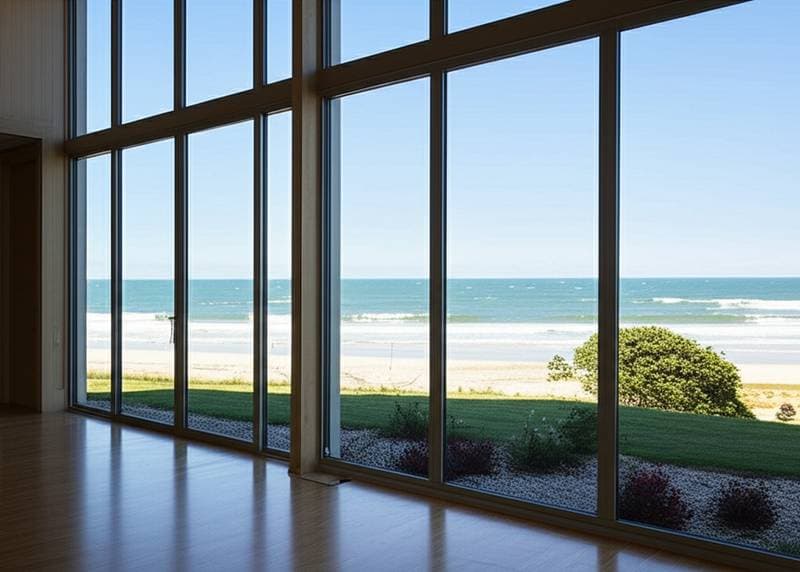
Hurricane-Safe Glass Walls for Open Coastal Homes
Living on the coast provides breathtaking views and a profound connection to nature that few locations can rival. Homeowners often envision open designs that maximize natural light through expansive glass walls, seamlessly blending indoor and outdoor spaces. However, coastal environments present significant challenges from extreme weather events. Hurricanes, high winds, and flying debris pose risks to safety and property integrity. Fortunately, hurricane-safe glass walls enable residents to embrace coastal beauty while ensuring robust security and comfort.
This guide details the mechanics of hurricane-safe glass walls, key selection criteria for materials, and strategies for a durable installation tailored to coastal properties.
Understanding Hurricane-Safe Glass Walls
What Makes Hurricane Glass Different
Hurricane-safe glass, commonly referred to as impact-resistant glass, undergoes specialized engineering to endure severe weather conditions. Manufacturers bond two layers of tempered glass with a resilient interlayer, typically composed of polyvinyl butyral or comparable polymers. Upon impact from debris, the outer layer may fracture, yet the fragments adhere firmly to the interlayer, preventing complete shattering and hazardous dispersal.
This construction preserves the home's structural envelope, blocking wind and moisture intrusion. Such protection proves vital in mitigating pressure differentials that might otherwise lead to catastrophic failures in roofs or walls.
Benefits Beyond Storm Protection
Although storm resistance defines their core function, hurricane-safe glass walls offer multifaceted advantages:
- Energy efficiency: Integrated low-emissivity coatings minimize thermal conduction, stabilizing indoor temperatures year-round.
- Noise reduction: The multilayered assembly effectively dampens external sounds, fostering a quieter living environment.
- UV protection: The interlayer filters ultraviolet radiation, safeguarding interior furnishings and flooring from fading and degradation.
- Security enhancement: The inherent durability that withstands storms also resists forced entry attempts, bolstering overall home defense.
These features elevate daily living standards while addressing practical concerns in high-risk areas.
Choosing the Right Glass Wall System
Framed vs. Frameless Systems
Both configurations can achieve hurricane compliance, though each influences visual appeal and operational efficacy differently.
- Framed systems incorporate aluminum or steel frameworks for supplementary reinforcement. These options tend to cost less and facilitate superior water sealing, making them suitable for variable coastal exposures.
- Frameless systems deliver seamless vistas and a modern aesthetic. They demand meticulous engineering, including robust anchoring hardware, to maintain stability during high winds.
Homeowners should weigh priorities such as unobstructed views against added structural support when deciding.
Material Considerations
Frame selection impacts durability, upkeep, and integration with coastal architecture:
- Aluminum stands out for its low weight, resistance to corrosion, and prevalence in marine-inspired designs.
- Stainless steel provides unmatched tensile strength, ideal for demanding applications, though it commands a premium price.
- Vinyl presents a budget-friendly alternative with inherent moisture resistance, yet it may lack the refined look of metallic counterparts.
Opt for materials certified for saltwater exposure to extend service life.
Glass Thickness and Rating
Impact glass classifications reflect performance against designated wind velocities and projectile strikes. Select systems that align with regional building regulations, particularly those governing coastal zones. Reputable suppliers furnish certification documents from independent testing bodies, confirming adherence to standards like ASTM or Miami-Dade protocols.
Thicker glass enhances resilience but increases weight, necessitating compatible framing adjustments.
Planning a Hurricane-Safe Installation
Step 1: Evaluate Your Home’s Exposure
Storm vulnerability varies across coastal sites. Consider elements like property elevation, proximity to open water, and nearby barriers that might alter wind patterns. Engage a structural engineer or certified contractor to conduct a comprehensive wind-load assessment. This analysis identifies required glass specifications and secure attachment techniques, ensuring the system matches site-specific demands.
Step 2: Set a Realistic Budget
Investing in hurricane-safe glass walls requires careful financial planning. Expenses depend on dimensions, material choices, and customization levels, with typical ranges from $100 to $250 per square foot for complete installations. Regional factors and contractor expertise further influence pricing. Obtain at least three detailed quotes encompassing materials, labor, and any ancillary reinforcements. Allocate 10 to 15 percent extra for unforeseen structural adaptations.
Step 3: Hire a Qualified Contractor
Selecting a proficient installer forms the cornerstone of a successful project. Prioritize professionals licensed in impact glazing with proven track records in coastal builds.
Check Licenses and Insurance
Verify credentials for structural work and confirm coverage for general liability and workers' compensation. These safeguards shield owners from liability in case of on-site incidents.
Review Past Work
Examine portfolios or visit completed sites to evaluate execution quality. Focus on airtight seals, uniform framing, and precise alignments, as these elements determine resilience under duress.
Request a Detailed Bid
Insist on a comprehensive proposal specifying components, installation duration, and warranty coverage. Steer clear of ambiguous pricing or informal commitments to avoid disputes.
Key Design and Safety Considerations
Proper Sealing and Drainage
Superior sealing prevents the vulnerabilities that undermine even premium glass. In saline, humid climates, material deterioration accelerates without precautions. Incorporate marine-grade gaskets and sealants, along with integrated weep holes for efficient water shedding. Employ corrosion-proof fasteners and pivots to sustain operational integrity over time.
Structural Reinforcement
Secure integration with the building's core demands attention. Bolster headers, jambs, and thresholds to evenly transfer forces. Collaborate with engineers to affirm code conformity, potentially incorporating supplemental bracing for expansive setups.
Maintenance and Inspection
Proactive upkeep sustains peak performance:
- Wash surfaces using a gentle soap solution and soft cloths to avoid scratches.
- Conduct yearly reviews of seals, hinges, and frames for wear or degradation.
- Apply manufacturer-recommended coatings to metallic parts every few years.
Timely interventions avert minor issues from escalating into costly repairs.
Frequently Asked Questions
What is the difference between hurricane glass and regular tempered glass?
Tempered glass fragments into granular pieces upon breakage, posing minimal injury risk but allowing breaches for weather entry. Hurricane glass, through its laminated design, retains all shards intact, preserving the barrier against elements.
Do hurricane-safe glass walls completely prevent damage?
No material guarantees absolute invulnerability, yet certified impact systems substantially lower failure probabilities. They endure specified impacts without compromising the home's integrity, thereby minimizing secondary harms like water ingress or pressure buildup.
How long does hurricane-safe glass last?
Quality installations, supported by diligent care, endure 20 to 30 years or more. Harsh exposures such as unchecked salt accumulation or inadequate drainage can accelerate wear, underscoring the need for periodic professional assessments.
Can I retrofit my existing glass walls with hurricane-safe panels?
Retrofitting proves feasible in numerous scenarios. The process entails swapping panes and fortifying frames to accommodate impact loads. A thorough inspection by specialists determines structural compatibility and outlines necessary upgrades.
Do these systems affect home resale value?
Properties equipped with hurricane-rated features attract discerning coastal purchasers seeking resilience and utility. Although upfront costs are notable, benefits like reduced insurance rates and heightened durability often yield favorable returns on investment.
Are there design limitations with impact glass walls?
Options abound, from operable sliders and bi-fold configurations to stationary panels. Constraints arise primarily from engineering needs; broader spans may require heftier glass or reinforced supports, subtly shaping aesthetics and budgets.
How can I verify that my glass walls are truly hurricane-rated?
Seek affixed labels from accredited labs and demand supplier-provided test reports. These validate performance against prevailing wind and missile criteria in your jurisdiction.
Securing Coastal Serenity
Hurricane-safe glass walls harmonize expansive openness with unyielding fortitude, ideal for seaside residences. These installations shield occupants, sustain cherished panoramas, and augment asset worth. Partner with vetted experts, insist on verified credentials, and emphasize meticulous execution to realize walls that defy tempests.
Through strategic preparation and ongoing vigilance, homeowners claim the tranquil allure of oceanfront living, fortified against seasonal adversities.