
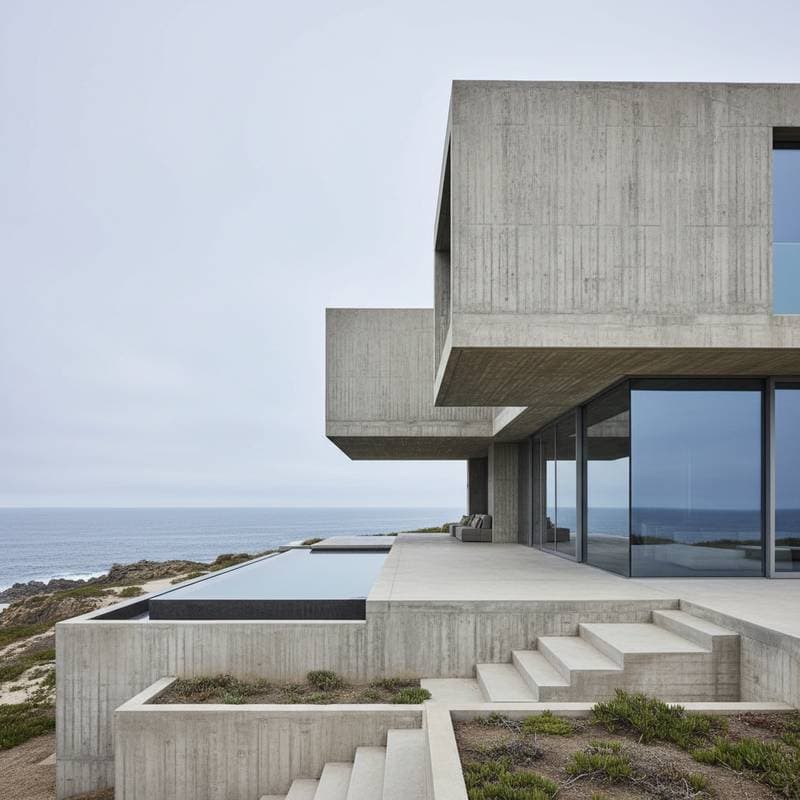
Why Brutalist Beach Houses Are Replacing Wood in 2026
Brutalist architecture emerges as a transformative force in coastal design for 2026. Homeowners and architects shift from traditional wood and stucco structures toward robust concrete forms that endure harsh marine environments. This movement prioritizes durability, sustainability, and a striking aesthetic that harmonizes with the sea's raw power.
Concrete's unyielding presence offers a fresh alternative to wood's vulnerability. Salt air corrodes timber over time, while relentless sun fades its warmth. Brutalist beach houses stand resilient, their sculpted surfaces capturing the essence of minimalist luxury.
The Rise of Brutalism on the Coast
Brutalism originated in the mid-20th century as a bold response to post-war reconstruction needs. Architects favored exposed concrete for its honesty and efficiency, creating monolithic structures that convey strength. In coastal settings, this style gains renewed relevance amid climate challenges and design evolution.
Traditional beach homes rely on wood for its natural appeal and ease of construction. However, rising sea levels and intensified storms expose wood's limitations. Concrete, poured in fluid shapes, resists erosion and requires minimal upkeep, making it ideal for waterfront properties.
By 2026, projections indicate a 40 percent increase in concrete-based coastal builds. This trend reflects broader architectural preferences for materials that align with environmental resilience. Designers integrate Brutalist elements to craft homes that feel timeless yet forward-thinking.
Durability Advantages Over Wood
Wooden beach houses demand frequent maintenance to combat moisture and pests. Saltwater accelerates rot, and humidity fosters mold growth. In contrast, Brutalist concrete repels these threats, ensuring longevity without constant intervention.
High-quality concrete mixtures incorporate aggregates that enhance weather resistance. Sealing techniques prevent water infiltration, preserving the structure's integrity for decades. This durability translates to lower long-term costs, appealing to eco-conscious buyers seeking value.
Engineers test concrete for seismic activity common in coastal zones. Its mass provides stability during earthquakes, unlike lighter wood frames that may shift or crack. Homeowners benefit from peace of mind in regions prone to natural disruptions.
Sustainability at the Core
Sustainability drives the shift to Brutalism in beach architecture. Wood harvesting contributes to deforestation, while concrete production advances through low-carbon innovations. Recycled materials and efficient mixing reduce the environmental footprint of new builds.
Modern concrete formulations use fly ash and slag, byproducts from other industries, to minimize virgin resource use. These additives strengthen the material without increasing emissions. Coastal developers adopt these practices to meet green building certifications.
Energy efficiency improves in Brutalist designs through thermal mass properties of concrete. Thick walls absorb daytime heat and release it at night, reducing reliance on air conditioning. Paired with passive solar strategies, these homes lower energy consumption year-round.
Aesthetic and Design Innovations
Brutalism elevates beach houses beyond functionality into artistic statements. Raw concrete textures mimic ocean waves and rocky shores, creating visual depth. Architects sculpt facades with angular forms that play with light and shadow, enhancing serene interiors.
Interior spaces flow openly, with polished concrete floors providing a cool, durable surface. Natural light floods through expansive windows framed in minimalist metal. This design fosters a connection to the outdoors while shielding against coastal elements.
Customization options abound for 2026 trends. Modular concrete panels allow prefabrication, speeding construction without compromising style. Textural finishes, from smooth to rugged, cater to personal tastes, blending industrial edge with coastal elegance.
Practical Steps for Adopting Brutalist Design
Prospective builders start by consulting local architects experienced in concrete work. Site assessments evaluate soil and wind patterns to inform foundation designs. Early planning ensures compliance with zoning laws that favor sustainable materials.
Budget allocation focuses on quality aggregates and skilled labor. Initial costs exceed wood builds, yet savings accrue through reduced maintenance. Financing options for green projects ease the transition for first-time coastal homeowners.
Integration of smart technology enhances livability. Embedded sensors monitor structural health, alerting to potential issues. Solar panels on flat concrete roofs generate power, aligning with off-grid living preferences in remote beach areas.
Embracing Resilience in Coastal Living
Brutalist beach houses redefine seaside residences for a resilient future. They withstand environmental pressures while delivering aesthetic and practical benefits. Homeowners discover a harmonious balance between human ingenuity and nature's force.
This architectural evolution invites exploration of concrete's potential. As 2026 approaches, these structures promise enduring homes that inspire and protect. Coastal living enters a new era of strength and sophistication.