
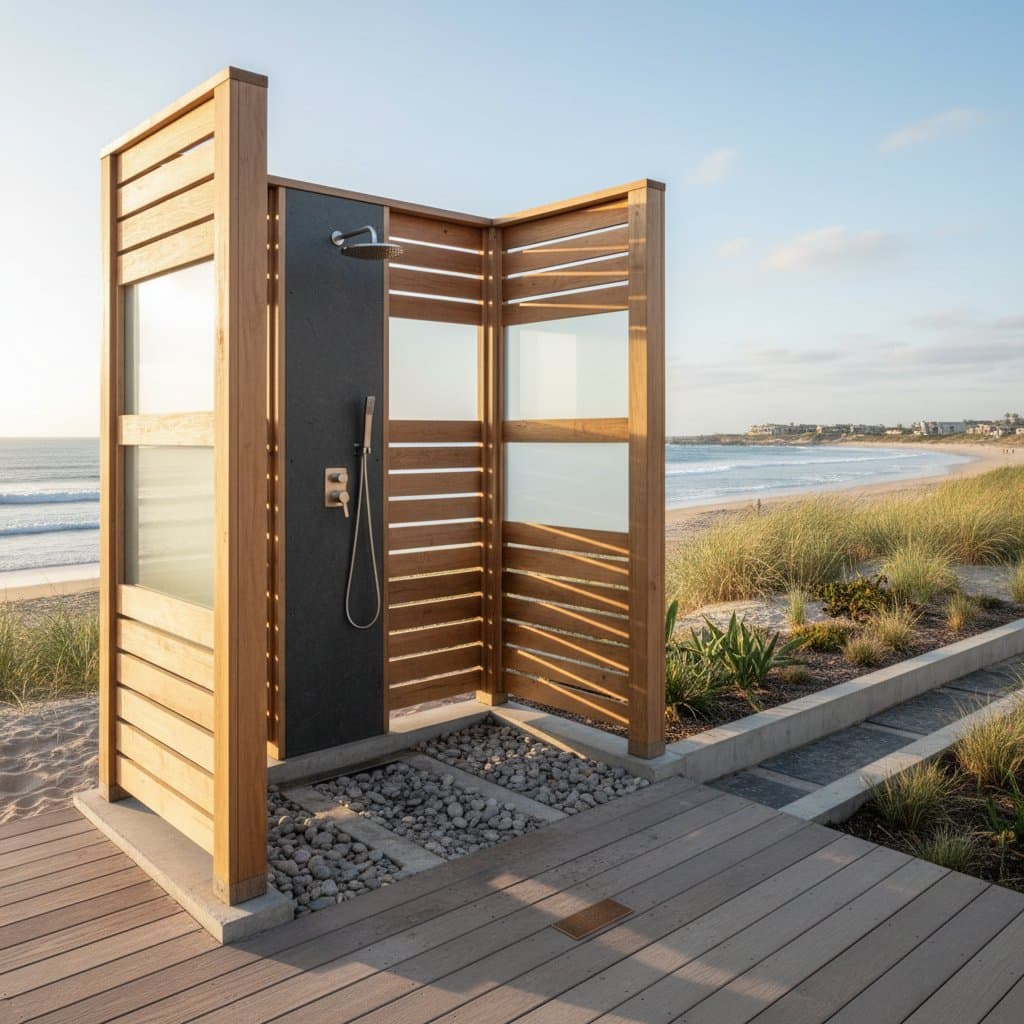
Navigating 2026 Coastal Regulations: Key Changes for Outdoor Showers
Outdoor showers represent a hallmark of coastal living, offering a practical way to rinse away beach sand or refresh after a day by the sea. These features enhance daily routines while connecting homeowners to the natural surroundings. However, impending 2026 coastal regulations will alter installation and maintenance practices to address environmental concerns.
This resource outlines the implications of these regulations for property owners. It covers design influences, compliance strategies, and preparation steps. By grasping these updates early, individuals can avoid disruptions, control expenses, and sustain the appeal of seaside residences.
Understanding the Purpose Behind Coastal Regulations
Coastal areas encounter pressures from climate shifts, habitat loss, and urban expansion. Local authorities enact rules to safeguard these regions, and outdoor showers fall under this scrutiny due to their potential environmental effects.
Protecting Water Quality
Runoff from outdoor showers often carries soaps and residues into nearby waterways. The 2026 laws mandate greywater management systems to capture, treat, and redirect this water. For instance, install inline filters or diversion valves that separate clean rinse water from soapy discharge, directing the latter to septic systems or treatment units.
Managing Land Use and Drainage
Improper placement of showers can exacerbate soil erosion or flooding in vulnerable zones. Regulations will enforce minimum distances from dunes, slopes, and boundaries, typically 5 to 10 feet depending on local codes. Integrate sloped gravel beds or French drains to channel water away from sensitive areas, preventing saturation and structural instability.
Ensuring Sustainable Design
Sustainability drives the new standards, requiring water-efficient and non-toxic components. Select low-flow showerheads rated at 1.5 gallons per minute or less, paired with native plant buffers to absorb excess moisture. These measures reduce resource consumption while aligning with broader conservation goals.
Establishing Your Outdoor Shower Budget
Effective budgeting involves assessing all project elements upfront to align with regulatory demands.
Estimating Costs
Basic setups with hose connections start at $300 to $500, while comprehensive systems with enclosures and advanced drainage reach $3,000 to $8,000. Factor in elevated permitting fees, potentially 20% higher under new rules, and specialized components like permeable surfaces costing $50 per square foot.
Key budget items include:
- Permitting and inspection fees
- Compliant drainage infrastructure
- Labor for code-adherent plumbing
Saving Through Smart Design
Opt for modular kits that minimize excavation, or position the shower adjacent to existing outdoor faucets to cut piping needs. Incorporate multi-use features, such as rain barrels for non-potable water, to offset costs and meet efficiency mandates without extensive overhauls.
Navigating Permits and Coastal Zoning Rules
Adherence to zoning protocols remains crucial, with 2026 updates intensifying reviews for coastal features.
When Permits Are Required
Permits apply to any shower involving fixed plumbing, structural elements over 4 feet tall, or ground alterations exceeding 100 square feet. Submit site plans showing elevation, materials, and drainage paths to your local department at least 30 days prior to starting work.
Understanding Coastal Setbacks
Setbacks protect fragile shorelines, often requiring 10 to 25 feet from mean high tide or property edges. Measure your site accurately using survey tools, and design modular bases that allow relocation if boundaries shift due to erosion monitoring.
Working With Coastal Commissions
Projects in permit zones undergo commission evaluation for ecological impact. Prepare environmental assessments detailing water diversion methods and material sourcing. Partner with certified professionals who have successfully managed similar approvals to expedite timelines.
Designing for Privacy and Compliance
Balance regulatory needs with personal comfort through innovative, code-friendly approaches.
Material Choices That Meet New Standards
Prioritize durable, low-impact options:
- Naturally rot-resistant woods like redwood or ipe
- Fiber-reinforced polymers for framing
- Powder-coated aluminum for hardware
- Eco-grouts and sealants free of volatile compounds
These selections endure marine conditions while minimizing leaching risks.
Creating Privacy Within Setback Limits
Height caps at 6 feet for screens necessitate creative solutions. Erect lattice panels with climbing vines for semi-transparent barriers, or use retractable fabric shades anchored to permeable posts. Such designs permit airflow and drainage, avoiding conflicts with ventilation codes.
Integrating Drainage Solutions
Direct water through layered filtration: a top gravel layer over geotextile fabric, feeding into a 50-gallon sump pit with bio-filters. This setup treats contaminants on-site, complies with zero-discharge rules near beaches, and maintains dry walkways.
Hiring the Right Contractor
Select experts versed in coastal specifics to navigate complexities efficiently.
Check Licenses and Insurance
Confirm active contractor licenses through state databases and proof of $1 million in general liability coverage. These safeguards cover potential code violations or installation errors.
Request a Detailed Bid
Bids must specify compliance strategies, such as greywater integration costs and permit handling timelines. Evaluate at least three proposals, focusing on warranties for materials and workmanship lasting 5 to 10 years.
Ask About Experience With Coastal Projects
Seek portfolios of zone-compliant installations, including before-and-after drainage schematics. Inquire about success rates with commission appeals to assess problem-solving capabilities.
Preparing for Inspection and Approval
Anticipate thorough evaluations as enforcement strengthens in 2026.
Common Inspection Points
Examiners verify:
- Backflow preventers on all water lines
- Material certifications for corrosion resistance
- Runoff containment exceeding 90% efficiency
- Adherence to elevation and proximity rules
Address findings promptly with photographic evidence of corrections.
Keeping Records Organized
Compile a digital folder with approved plans, receipts, and compliance affidavits. This documentation facilitates resale appraisals and demonstrates due diligence during audits.
Adapting Existing Outdoor Showers
Retrofit current setups to align with evolving standards without full replacement.
Retrofitting for Drainage and Water Control
Excavate beneath the shower base to install a 2-foot-deep infiltration trench lined with activated carbon. Reroute pipes to avoid direct soil discharge, testing flow rates to confirm regulatory thresholds.
Updating Fixtures and Materials
Swap brass fittings for marine-grade stainless steel and apply UV-protectant coatings to wooden elements. Upgrade to aerated nozzles that conserve 40% more water, verified by flow meter readings.
Adding Privacy Without Redesign
Plant fast-growing natives like cordgrass in setback-compliant rows, reaching 7 feet in two seasons. Supplement with tensioned netting for immediate coverage, ensuring gaps allow for natural percolation.
Frequently Asked Questions
What are the main reasons for the new coastal outdoor shower laws?
These laws target pollutant reduction in marine environments, erosion control from unmanaged water, and promotion of resilient development. Authorities seek to maintain biodiversity amid growing coastal populations.
Will I need a permit to install a new outdoor shower?
Most jurisdictions require permits for plumbed or enclosed units. Review your area's threshold, often triggered by any permanent fixture, and apply via online portals for faster processing.
Can I use any materials for my outdoor shower?
Regulations specify non-leaching, recyclable options. Avoid pressure-treated lumber; instead, source FSC-certified alternatives to ensure longevity and ecological compatibility.
How can I make my existing outdoor shower compliant?
Assess drainage first: install diverters if needed. Update to compliant fixtures and document changes for potential inspections.
What is a greywater system and why is it required?
Greywater systems process lightly used water for non-drinking purposes, filtering out harms before release. They prevent ocean contamination, a priority in sensitive coastal zones.
How close can my outdoor shower be to the property line?
Distances range from 5 to 15 feet based on zoning. Consult GIS maps from planning offices for precise measurements on your lot.
Are privacy walls allowed under the new laws?
Permitted if under height limits and perforated for drainage. Opt for modular or vegetative alternatives to enhance compliance.
Implementing Compliant Outdoor Showers
Initiate your project by mapping zoning overlays and scheduling a pre-permit consultation. Source verified materials and assemble a team equipped for regulatory hurdles.
A regulation-ready outdoor shower boosts usability and marketability. It contributes to ecosystem vitality, securing the coastal charm for future generations. Through deliberate steps, integrate this feature seamlessly into your property.