
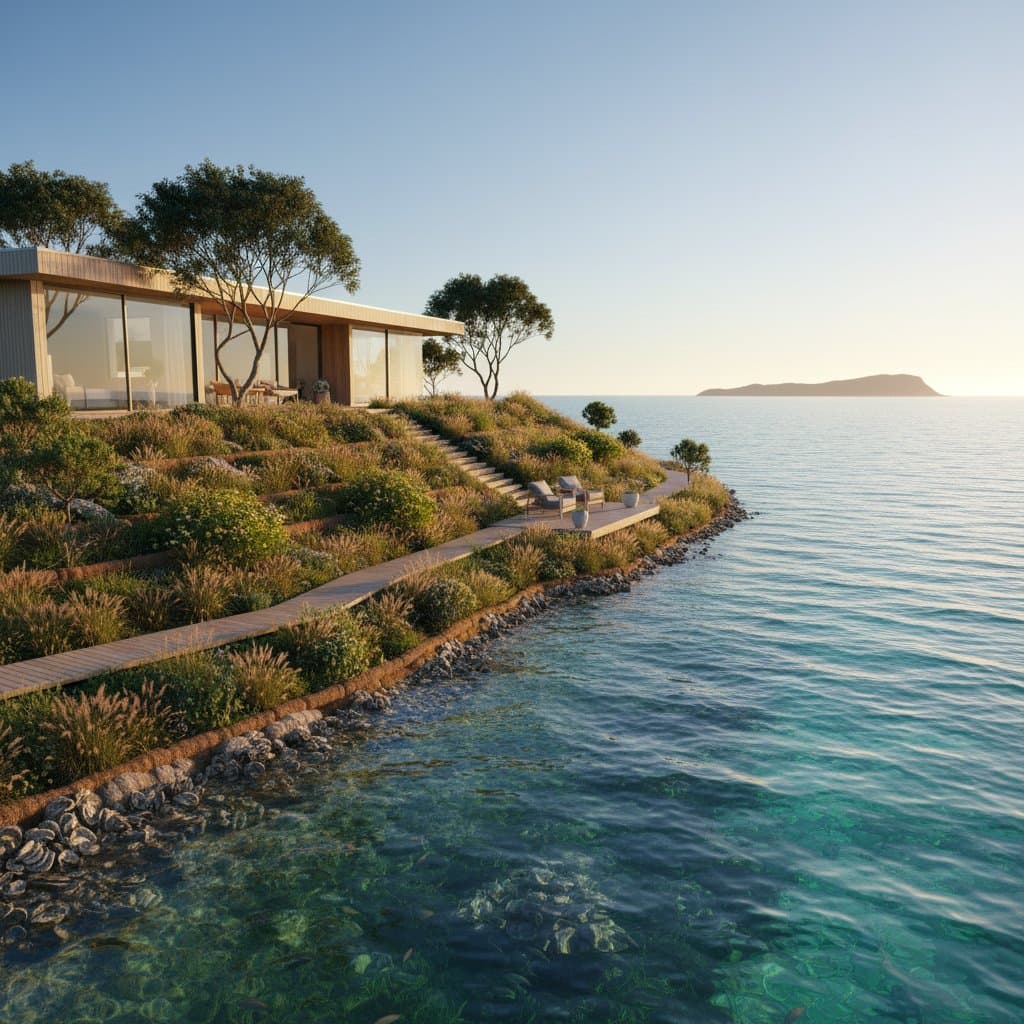
Seawall-Free Remodels: Natural Coastal Protection
Living along the coast provides unparalleled beauty, fresh air, and a profound connection to the ocean. However, this lifestyle also presents persistent challenges in safeguarding homes and landscapes from erosion and rising sea levels. For decades, seawalls served as the conventional defense, creating a solid barrier against waves and wind. Homeowners and coastal experts now recognize that these structures frequently exacerbate problems, including accelerated erosion, ecosystem disruption, and loss of scenic appeal.
This guide examines seawall-free remodels, an emerging approach to natural coastal protection. Readers will discover how living shorelines, native vegetation, and strategic site planning defend properties while enhancing the surrounding environment. These methods suit both renovations of existing homes and new constructions, ensuring long-term security for investments and shorelines alike.
Understanding Natural Coastal Protection
Natural coastal protection harnesses ecological dynamics instead of rigid engineering. Rather than blocking the sea with concrete or metal, this strategy collaborates with tidal movements, plant growth, and sediment dynamics to form adaptive barriers.
What Is a Living Shoreline?
A living shoreline incorporates natural elements like sand, gravel, shells, and indigenous plants to secure coastal edges. Biodegradable aids, such as coir logs or oyster reefs, offer temporary reinforcement until vegetation takes hold. In contrast to seawalls that rebound wave force, living shorelines dissipate energy, curb erosion, and foster biodiversity for species including fish and shellfish.
Why Seawalls Often Fail Over Time
Seawalls appear robust initially, yet they trigger adverse effects. Waves striking a perpendicular surface rebound the energy, eroding sediment directly below and adjacent areas. Consequences include:
- Progressive narrowing of beaches
- Heightened erosion at property boundaries
- Destruction of habitats for marine organisms and birds
- Ongoing repair expenses leading to structural collapse
Natural alternatives adapt to fluctuating water levels and storm events, delivering superior durability compared to fixed installations.
Planning a Seawall-Free Remodel
Property owners on coastal sites benefit from integrating natural erosion strategies into remodels. Success hinges on thorough preparation, as each shoreline presents distinct characteristics.
Step 1: Assess Your Site
Conduct a detailed evaluation of shoreline features before alterations. Key factors to examine include:
- Tidal ranges and maximum water extent during peak conditions.
- Signs of erosion, such as root exposure, soil slumps, or receding plant lines.
- Current vegetation contributing to stability.
- Runoff patterns from structures like roofs or driveways that may worsen degradation.
Engage a coastal engineer or environmental specialist to analyze site-specific risks and potential solutions.
Step 2: Set Clear Goals
Define precise objectives for the remodel. Some prioritize enhanced beach access and visual harmony, while others emphasize enduring stability with reduced upkeep. These priorities shape selections, from oyster reef installations to wetland plantings or hybrid techniques.
Step 3: Coordinate with Local Authorities
Shoreline modifications involve intricate permitting processes. Numerous coastal regions favor living shoreline options and provide grants or streamlined approvals. Verify regulations through local agencies prior to commencement. Collaborate with sustainable design experts to satisfy ecological and compliance criteria.
Key Techniques for Natural Erosion Control
Multiple nature-based tactics protect coastal sites without seawalls. Selection depends on slope gradients, wave exposure, and soil composition.
Native Vegetation
Establishing indigenous grasses, shrubs, and ground covers represents a straightforward, potent stabilization method. Their extensive root systems anchor soil and purify surface water. Suitable species encompass:
- Saltgrass in submerged zones
- Beach morning glory for dune reinforcement
- Cordgrass and pickleweed in intertidal areas
These plants demand minimal watering and care after rooting, promoting sustained viability.
Oyster Reefs and Shell Barriers
Oysters construct reefs that attenuate waves and accumulate sediment. Positioning a modest reef offshore functions as a biological wave attenuator. As it expands, the reef bolsters defense and sustains diverse marine populations.
Coir Logs and Biodegradable Barriers
Crafted from coconut husks, coir logs temporarily buttress eroding banks. They retain soil during plant establishment and biodegrade harmlessly. This technique proves valuable for sites shifting from seawalls to organic shorelines.
Dune Reconstruction
On sandy coasts, restoring dunes with native grasses and fencing recreates inherent safeguards. Dunes absorb surge impacts and mitigate flooding. Thoughtful dune formation integrates with broader landscaping for aesthetic cohesion.
Blending Natural Protection with Home Design
Seawall-free remodels extend beyond erosion management to harmonize architecture and ecology.
Elevate and Adapt Structures
Elevating patios, decks, and lower levels minimizes inundation risks without shoreline interference. Opt for moisture-resistant options like composite materials or rust-proof hardware. Open pilings permit water passage beneath structures, avoiding direct confrontation.
Manage Drainage Thoughtfully
Runoff from storms erodes banks and pollutes waters. Implement permeable surfaces, rain gardens, and contour swales to decelerate and cleanse flows. Route gutters to planted zones rather than exposed soil or barriers.
Choose Resilient Materials
Employ salt-tolerant substances for landscaping and builds. Granite, recycled composites, and preserved timber endure exposure for walks and borders.
Cost Considerations and Long-Term Value
Expenses for living shorelines fluctuate significantly. Basic plantings might total several thousand dollars, whereas extensive reefs or dunes command greater sums. Obtain bids from multiple providers, insisting on detailed breakdowns.
Initial outlays parallel those of seawalls, but ongoing expenses prove lower. Natural setups self-renew via growth and deposition, unlike barriers needing constant vigilance. In the long run, these remodels deliver economic and ecological gains.
Disclaimer: All cost estimates represent general national averages. Prices differ by region, supplies, permits, and scope.
Frequently Asked Questions
What is the main advantage of a seawall-free remodel?
A seawall-free remodel shields property while upholding shoreline integrity. It nurtures habitats, enhances water purity, and adjusts to environmental shifts instead of resisting them.
How long does a living shoreline take to establish?
Most living shorelines achieve stability in one to three growing seasons. Factors include plant development, tidal influences, and climate. Elements like oyster reefs evolve and fortify over extended periods.
Are natural erosion control methods permitted everywhere?
Many jurisdictions endorse or mandate living shorelines. Contact local permitting bodies for verification. Consult a coastal engineer or planner prior to projects.
Can I convert an existing seawall into a natural shoreline?
Yes, partial seawall removal or adaptation often allows integration of plants, sand, and barriers. Expert oversight ensures secure transitions.
Do living shorelines attract pests or unwanted wildlife?
Living shorelines draw beneficial marine life, including crabs, fish, and birds, enriching ecosystems. Proper design and upkeep minimize pest issues.
Will my property value increase with a natural shoreline?
Natural shorelines often elevate appeal by showcasing sustainable features, potentially boosting market value through eco-conscious buyer interest and resilience.
Sustaining Coastal Harmony
Adopting a living shoreline over a seawall invests in property resilience and environmental stewardship. This approach fosters landscapes that evolve in synchrony with natural forces. Homeowners gain enduring protection, enriched biodiversity, and a serene connection to the sea.