
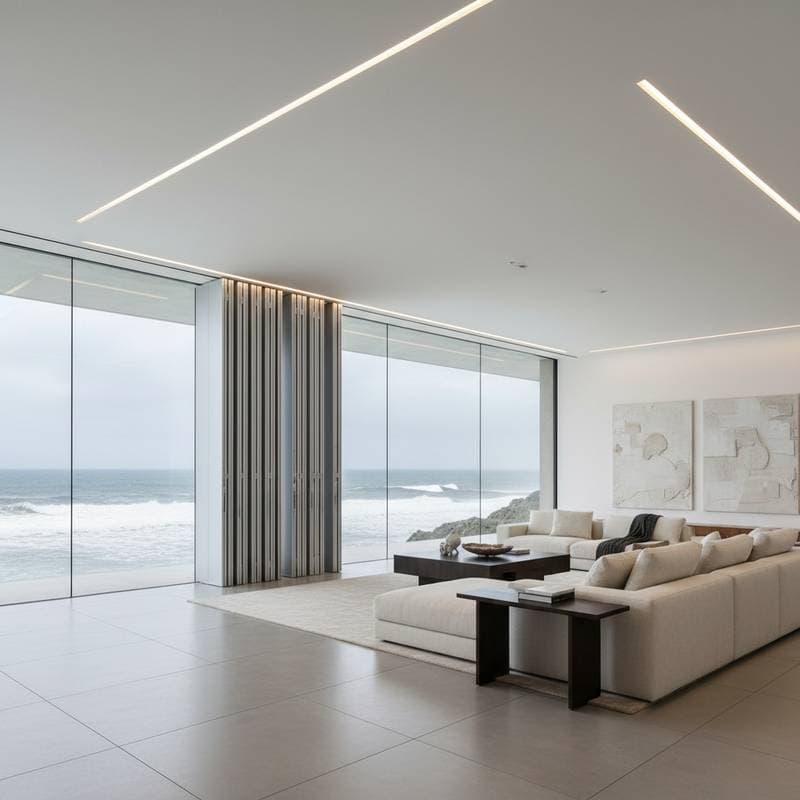
Invisible Shutters: Stealth Protection for Coastal Homes
Picture the sky over the Pacific turning ominous, winds intensifying, and waves pounding the shore with unusual force. Homeowners along the coast often experience this tension, worrying about potential storm damage to windows and doors. Invisible shutters provide a solution: with the press of a button, concealed panels deploy smoothly, offering robust defense without altering the home's elegant appearance.
These retractable systems, sometimes called hidden hurricane shutters, integrate seamlessly into modern architecture. This article details their mechanics, pricing, design choices, installation methods, and upkeep routines. Homeowners gain insights into balancing security with style in salty, wind-prone environments.
Cost Factors
A complete installation of invisible shutters for a typical coastal residence ranges from $2,000 to $12,000, averaging $7,500 for a medium-sized home. Several elements influence this investment, including the shutter variety, construction materials, operational mechanisms, and setup demands.
Key cost factors include:
-
Shutter Material:
Aluminum offers lightweight resilience against corrosion, priced at $30 to $50 per square foot. Stainless steel provides superior strength for severe conditions, costing $60 per square foot or higher. -
Motorization and Controls:
Basic manual operation keeps expenses low. Automated options, such as remote or app-controlled systems, add $500 to $2,000, factoring in electrical integration. -
Window and Door Dimensions:
Expansive features like sliding glass doors or floor-to-ceiling windows demand reinforced tracks and motors, elevating overall expenses. -
Labor and Permits:
Expert labor charges $40 to $70 hourly, commonly amounting to $1,000 to $3,000 total. Local regulations may require permits for wind-resistant installations, adding $50 to $200. -
Hidden Housing Design:
Concealed enclosures fit into eaves or wall spaces, necessitating tailored woodworking or stonework that increases costs by $500 to $1,500 based on existing architecture.
While initial outlays exceed those of conventional shutters, invisible models enhance visual harmony and endure longer, proving valuable in design-conscious seaside communities.
DIY Versus Professional Installation
Deploying invisible shutters demands precision in alignment and wiring, surpassing simple woodworking tasks. Experienced individuals with appropriate equipment may manage modest projects, though complexities often favor expert involvement.
DIY Installation
Difficulty: Moderate to advanced
Estimated Time: 6 to 12 hours per window or door
Tools and Materials:
- Power drill with masonry bits
- Level and tape measure
- Corrosion-resistant anchors and screws
- Waterproof sealant
- Wiring kit for automated units
Steps:
- Measure precisely, noting window height, width, and space for tracks.
- Secure the housing box level within the soffit or wall recess.
- Install side tracks with exact alignment to avoid operational snags.
- Insert the shutter panels into tracks and link to the central roller.
- Integrate controls, either through wiring to a switch or a manual mechanism.
- Verify smooth deployment and retraction.
Frequent errors involve track misalignment, inadequate sealing, or overlooked electrical requirements. Adhere to manufacturer guidelines and regional wind standards at all times.
Professional Installation
Professionals charge more upfront yet guarantee durability, regulatory adherence, and seamless integration. They manage framing adjustments, power connections, and documentation. Full-home projects span 2 to 4 days.
Opt for professionals when:
- Addressing multi-level structures or oversized openings
- Incorporating smart home compatibility
- Requiring alterations to support concealed components
Such services include warranties covering materials and workmanship, safeguarding against seasonal threats.
Key Considerations for Selection
Beyond visual appeal, evaluate performance, local conditions, and daily practicality when selecting invisible shutters.
Durability and Maintenance
Salt-laden air accelerates wear on metals, making anti-corrosive coatings vital. Opt for powder-coated aluminum paired with stainless fittings for extended service. Perform biannual cleaning using mild soap and fresh water to clear salt residues; lubricate moving parts annually.
Climate and Wind Ratings
Verify compliance with area-specific codes for wind resistance. Systems in vulnerable zones must endure at least 150 mph pressures or equivalent benchmarks.
Architectural Compatibility
These shutters suit modern or hybrid styles with minimalist profiles. In historic or detailed facades, select variants that recess fully to honor original aesthetics.
Operational Convenience
Frequent travelers or property managers benefit from remote-access automation, enabling deployment from afar.
Resale and Long-Term Benefits
Subtle yet effective protection boosts market value, appealing to buyers who value unobstructed vistas alongside safety.
Frequently Asked Questions
What distinguishes invisible shutters from standard hurricane shutters?
Invisible models retract into hidden compartments, remaining out of sight post-use. Conventional types remain exposed continuously. Both deliver comparable or superior safeguarding without aesthetic trade-offs.
Can invisible shutters function manually if power fails?
Most automated versions feature crank overrides or battery reserves. Review emergency protocols prior to hurricane periods.
Do installations of invisible shutters necessitate permits?
Coastal authorities typically mandate approvals to confirm wind compliance. Contractors assist with applications.
What is the expected lifespan of invisible shutters?
Proper maintenance yields 20 to 30 years of service. Routine coastal care, including cleaning and lubrication, prolongs reliability.
Justify the premium pricing of invisible shutters?
For seaside dwellers, the blend of elegance, reduced visibility, and advanced defense offsets costs, particularly versus repair expenses from storm impacts.
Integrating Protection Seamlessly
Invisible shutters extend beyond window coverage; they secure tranquility and property worth in coastal settings. Embrace oceanfront living with confidence, free from cumbersome fixtures or storm apprehensions.
During new builds or renovations, embed housing units early for optimal integration. Retrofitting existing properties involves brief interruptions under expert guidance. Ultimately, these systems fuse contemporary form with steadfast resilience across every opening.