
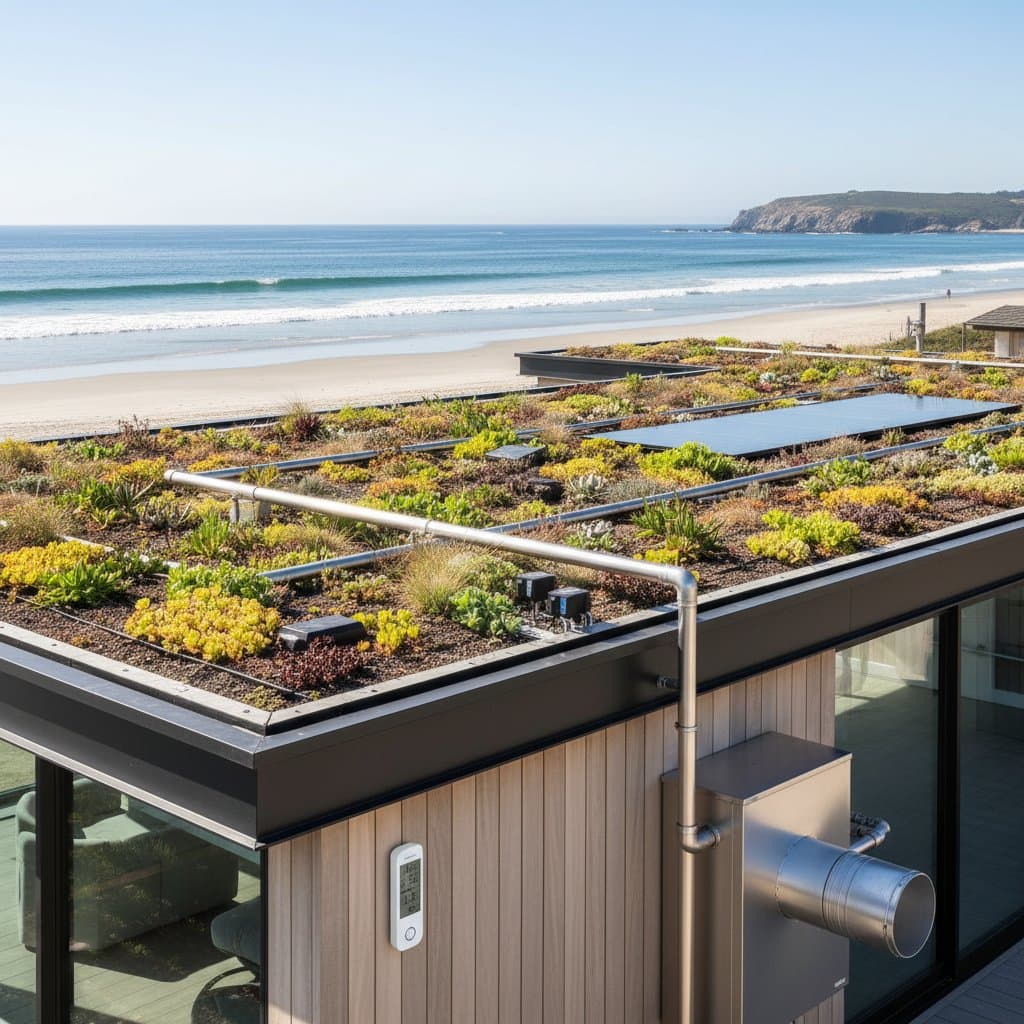
Green Roofs Reduce Air Conditioning Costs by 35 Percent in Beach House Remodels
Coastal homeowners often face high energy bills from constant air conditioning use during humid summers. A green roof provides an effective solution by integrating natural elements that lower cooling demands. Research indicates these installations can decrease air conditioning usage by up to 35 percent, offering substantial savings and improved comfort.
Homeowners seeking a remodel that combines environmental benefits with financial advantages will find green roofs particularly appealing. These systems not only regulate temperature but also enhance the overall aesthetic and value of a property.
Key Benefits
- Green roofs lower air conditioning needs by up to 35 percent in coastal settings
- They provide superior insulation to minimize heat buildup inside the home
- Plants on the roof absorb solar energy, which reduces surface temperatures significantly
- Such installations increase property value through added visual appeal and sustainability features
- Thoughtful design and ongoing care guarantee reliable performance over many years
Mechanisms Behind Cooling Cost Reductions
Green roofs manage heat differently from conventional roofing materials. Standard roofs capture solar radiation and transfer it into the building, elevating indoor temperatures. In comparison, a green roof uses layers of soil and vegetation to deflect heat, promote cooling through natural processes, and maintain a more temperate environment below.
This approach achieves approximately 35 percent savings on cooling costs through several targeted mechanisms:
- Thermal Insulation: Layers of soil and plants create a buffer that stabilizes indoor temperatures, reducing the reliance on mechanical cooling systems.
- Evaporative Cooling Effect: As plants transpire, they release water vapor into the air, which absorbs heat and lowers the temperature around the roof structure.
- Solar Energy Utilization: Vegetation intercepts sunlight and uses it for photosynthesis, converting potential heat into biomass rather than allowing it to penetrate the home.
- Mitigation of Urban Heat Islands: In coastal communities, widespread adoption of green roofs contributes to broader cooling effects, benefiting surrounding properties by decreasing ambient temperatures.
For optimal results in salty, windy coastal areas, select vegetation such as sedum, ice plant, or native succulents. These species thrive with minimal water, aligning with low-maintenance goals.
Installation Costs and Budget Considerations
Adding a green roof to a beach house remodel involves upfront investment, but the long-term returns in energy savings justify the expense. Costs depend on the system's complexity and scale, with typical ranges outlined below for coastal projects.
| Roof Type | Cost per Square Foot | Average Project Cost for 1,000 Square Feet |
|---|---|---|
| Extensive (lightweight, low-maintenance) | $10 - $25 | $15,000 - $40,000 |
| Intensive (deeper soil for diverse plants) | $25 - $50 | $40,000 - $80,000 |
Multiple elements affect the final price point:
- Structural Requirements: Intensive systems demand roof reinforcement to support added weight, potentially increasing expenses by 10 to 20 percent.
- Vegetation Choices: Opt for drought-resistant, salt-tolerant plants like fescue grasses or coastal wildflowers to minimize ongoing irrigation and replacement costs.
- Watering Infrastructure: Incorporate efficient drip irrigation or smart sensors for automated control, which adds $2,000 to $5,000 initially but reduces water use by half.
- Environmental Adaptations: In high-wind zones, use windbreaks or anchored modules, and select corrosion-resistant materials to withstand salt spray.
Budget an additional 20 percent for contingencies, such as enhanced waterproofing membranes or permits required in coastal regulations. Consulting local experts early helps identify tax incentives or rebates for sustainable features.
Choosing Between DIY and Professional Approaches
For modest projects on flat, accessible roofs, a do-it-yourself green roof kit offers a straightforward entry point. These prefabricated systems feature lightweight trays pre-filled with soil and established plants, simplifying the setup process. However, larger or pitched roofs necessitate professional expertise to ensure safety and durability.
Evaluate options with this comparison:
| Installation Method | Advantages | Disadvantages |
|---|---|---|
| DIY Kit | Lower cost (savings of 30 to 50 percent), quick assembly in a weekend, suitable for roofs under 500 square feet | Restricted to basic plant types, potential for uneven coverage, shorter warranty periods |
| Professional Service | Tailored designs including load assessments, integration with existing HVAC systems, extended durability up to 50 years | Elevated upfront fees, longer timeline of two to four weeks |
Professionals often include warranties covering structural integrity and plant health, which offset initial costs through decreased repair needs. Energy audits performed during installation can further optimize savings.
Maximizing Benefits in Your Coastal Remodel
Beyond energy efficiency, a green roof elevates the living experience in a beach house. It creates an inviting outdoor space for relaxation, where residents can enjoy panoramic views and gentle ocean air without excessive heat. Maintenance involves seasonal checks for drainage and pruning, ensuring the system performs at peak levels.
These roofs also contribute to environmental resilience by managing stormwater runoff and supporting local biodiversity. In remodel planning, integrate the green roof with other upgrades like energy-efficient windows or solar panels for compounded advantages.
To proceed, contact certified installers in your area for site evaluations. Review climate-specific plant palettes and explore modular systems that allow phased implementation. This strategic addition not only cuts cooling costs by 35 percent but also secures a more sustainable, enjoyable coastal lifestyle.