
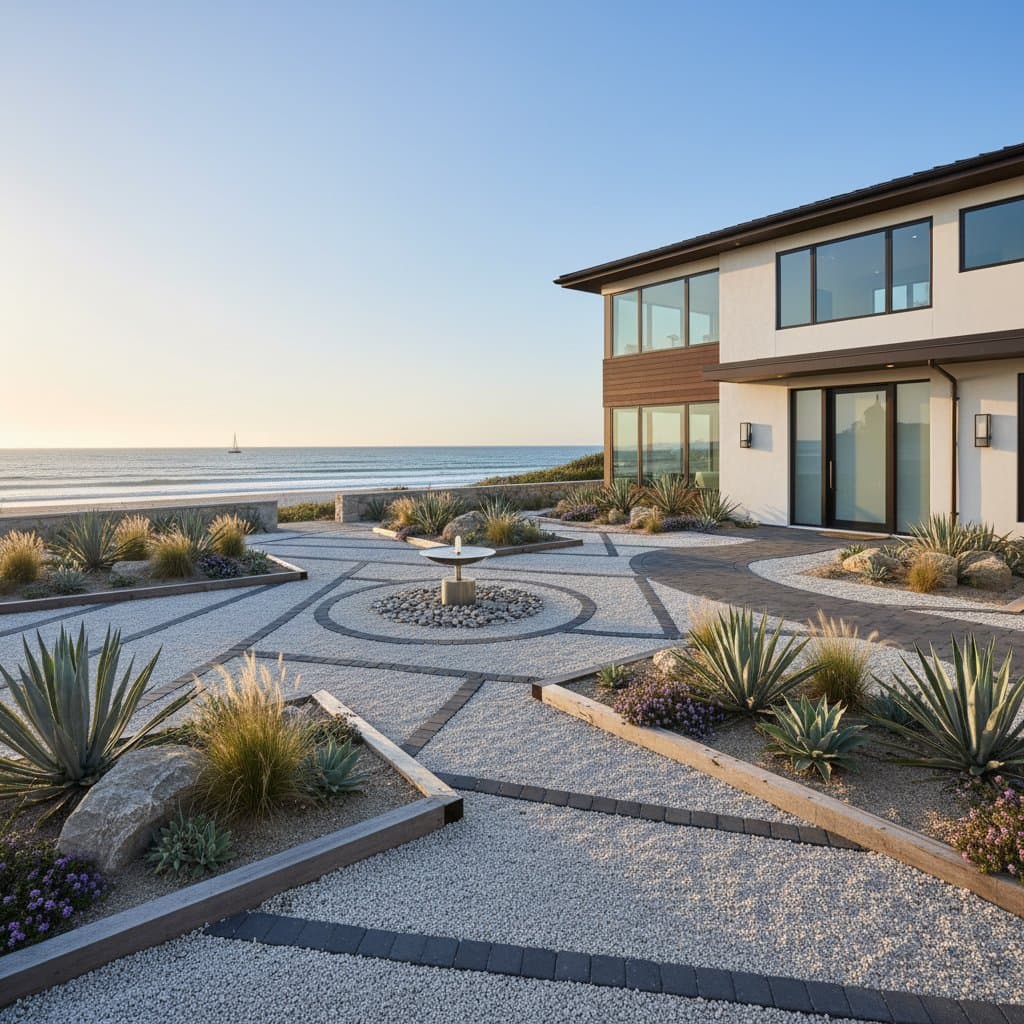
Gravel Yards: A Water-Saving Solution for Coastal Homes
Coastal living offers stunning views, mild climates, and a sense of tranquility. Homeowners in these areas often struggle with the demands of traditional lawns, which require substantial water and maintenance amid growing drought concerns. Gravel yards provide an effective alternative that aligns with the seaside environment while promoting sustainability.
This guide details the advantages of gravel yards for beach properties. Readers will gain insights into planning, installation, and ongoing care to create a resilient, attractive landscape that conserves resources and elevates property appeal.
Advantages of Gravel Yards for Coastal Properties
Water Conservation and Environmental Benefits
Gravel yards demand far less water than conventional grass. After installation, they depend mainly on natural rainfall with only occasional cleaning. In water-restricted areas, this approach can save thousands of gallons annually per household.
Key advantages include reduced utility costs, minimized soil erosion from runoff, and elimination of chemical treatments. Such landscapes support local ecosystems by requiring no fertilizers or pesticides, fostering a healthier coastal habitat.
Resilience and Minimal Upkeep
Seaside conditions challenge standard vegetation with salt exposure, shifting sands, and gusty winds. Gravel withstands these factors without deterioration. It maintains its appearance throughout seasons with basic attention.
Essential tasks consist of periodic raking to even the surface, targeted weed removal, and light rinsing to clear salt or sand buildup. These steps ensure longevity without the intensive labor associated with turf.
Aesthetic Versatility and Coastal Harmony
Gravel integrates seamlessly with beach-inspired designs, enhancing elements like wooden decks or seashell borders. It supports pairings with resilient flora such as lavender or agave for added texture. Available in various grains and hues, gravel allows customization to suit individual tastes.
Recommended options for seaside applications encompass decomposed granite for its earthy feel, pea gravel for comfortable footing, crushed stone for structural paths, and light marble chips for reflective highlights.
Planning Your Gravel Yard
Assess the Site Conditions
Begin by examining drainage patterns, sun exposure, and terrain gradients. Gravel performs optimally in well-draining locations. For flood-prone spots, incorporate a foundational layer of larger aggregate or a basic French drain system to manage excess moisture.
Develop the Layout and Design
Envision the space's purpose and visual flow. Integrate gravel with features like flagstone walks, benches, or container gardens. Delineate areas for relaxation, planting, and circulation to balance utility and beauty.
Select Gravel, Plants, and Accessories
Pair gravel with species adapted to arid, salty soils. Ideal choices feature agave for bold form, sea lavender for delicate blooms, yucca for architectural interest, coastal sage for fragrance, ice plant for ground cover, and blue fescue for subtle movement.
Apply organic mulch near plant roots to retain soil moisture and suppress weeds. Select gravel depths of two to four inches for stability and weed resistance.
Prepare the Foundation
Thorough groundwork prevents future issues. Clear all vegetation, roots, and rubble from the site. Compact the subsoil for a firm base, then lay geotextile fabric to block weed intrusion.
Add four to six inches of coarse base rock for support and drainage. Finally, distribute the finish gravel layer uniformly, aiming for consistent coverage.
Install Borders and Enhancements
Secure the perimeter with durable edging materials such as aluminum strips, natural stone, or concrete blocks. This containment preserves shape and simplifies maintenance. Incorporate accents like solar lanterns, wind chimes, or sculptural pieces to personalize the area.
Hiring Professionals for Installation
DIY suits modest projects, but extensive transformations warrant expert involvement. Seek specialists in xeriscape design, which emphasizes water-efficient landscapes.
Verify Credentials
Confirm the contractor's licensing and insurance coverage. These safeguards protect against liabilities during work on your property.
Obtain Detailed Proposals
Consult at least three firms and request itemized estimates covering materials, workforce, and timelines. Scrutinize for clarity and completeness to avoid surprises.
Review Coastal Expertise
Prioritize professionals experienced in marine-influenced settings. Examine portfolios of similar installations and contact provided references for feedback on performance.
Sustaining Your Gravel Yard
Though low-effort, gravel landscapes benefit from consistent oversight to preserve their allure.
Regular practices involve raking biweekly to maintain evenness, extracting weeds at first sight, and replenishing gravel annually if thinning occurs. Use a soft-bristle broom or hose for debris removal without displacing stones.
For integrated plants, trim spent growth seasonally and inspect for pests. Water deeply but infrequently to encourage deep roots in drought-tolerant varieties.
Common Questions About Gravel Yards
Optimal Gravel Size for Walkways and Open Areas?
Pea-sized gravel or quarter-inch crushed varieties provide secure, pedestrian-friendly surfaces. Reserve larger aggregates, such as one-inch stones, for utility zones like swales or parking pads.
Installation Cost Estimates?
Expect $2 to $10 per square foot nationwide, influenced by material selection, site preparation needs, and regional labor rates. Complex designs with integrated features may increase totals.
Pest Attraction in Gravel Landscapes?
Gravel deters soil-dwelling insects common to lawns. Maintain cleanliness by sweeping regularly and storing pet food indoors to minimize ant or rodent activity.
Integrating Synthetic Turf?
Combining gravel with turf creates hybrid appeal. Position turf in high-use zones for softness and gravel in transitions for definition, achieving dual functionality with water efficiency.
Weed Prevention Strategies?
Geotextile barriers form the primary defense, supplemented by annual applications of corn gluten meal as a natural pre-emergent. Vigilant hand-weeding in spring curbs establishment.
Heat Management in Sunny Exposures?
Opt for reflective colors like beige or quartz to mitigate surface warmth. Incorporate shade sails, nearby vegetation, or misting systems for comfort during peak sun.
Pet Compatibility?
Rounded gravel minimizes paw irritation when installed over padded bases. Monitor temperatures and provide shaded retreats or cooling pools for animal well-being.
Realizing Long-Term Value from Your Gravel Yard
A well-executed gravel yard not only conserves water but also boosts property resilience against climate shifts. It fosters outdoor enjoyment with effortless elegance, aligning with sustainable living principles. Invest time in thoughtful design to reap enduring rewards in beauty and efficiency.