
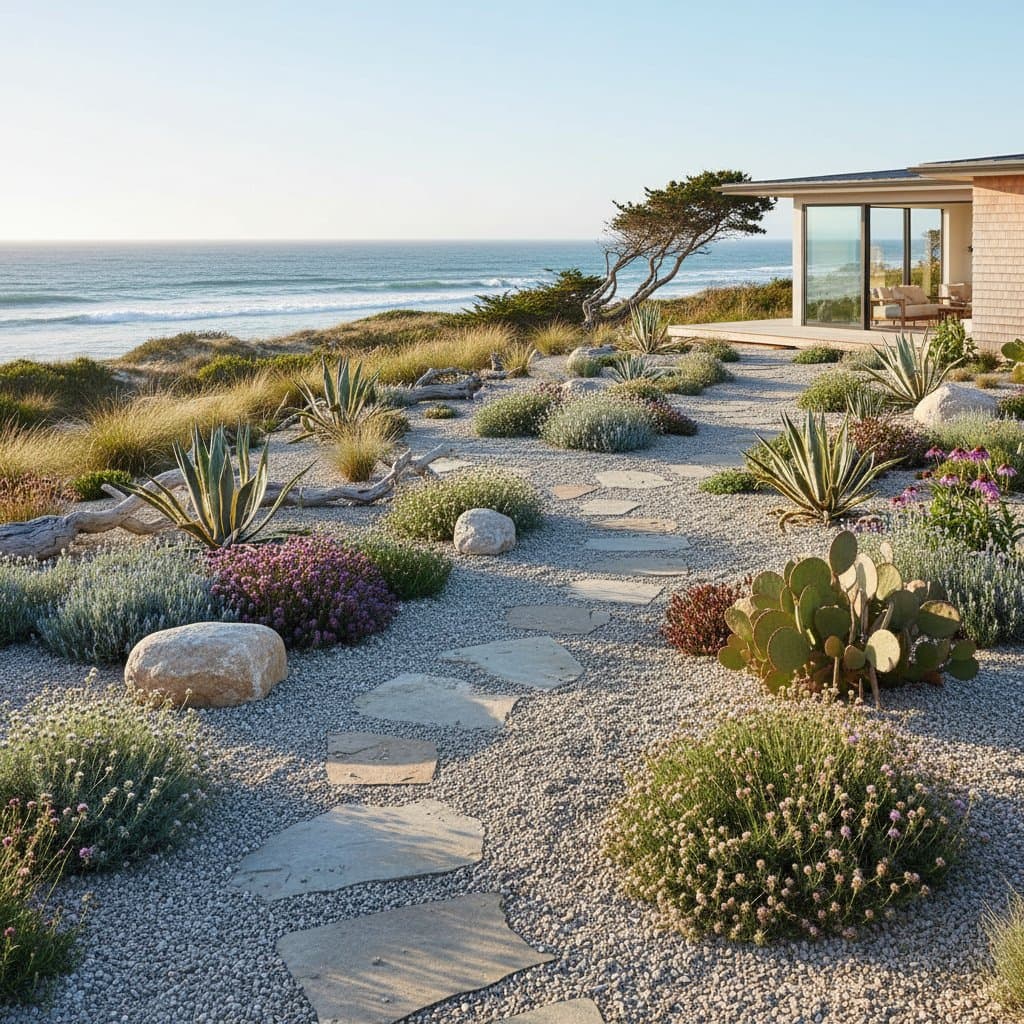
Gravel Gardens: Low-Water Wins for Sandy Coastal Yards
A gravel garden represents one of the most intelligent and aesthetically pleasing approaches to developing a vibrant outdoor area in a coastal setting. These gardens integrate drought-tolerant vegetation, permeable substrates, and refined layouts to produce landscapes that conserve water and demand minimal upkeep. In regions with sandy coastal soils, gravel gardens excel due to their ability to manage drainage challenges, withstand erosion, and harmonize with the inherent seaside aesthetic. The typical expense for establishing a gravel garden falls between $8 and $18 per square foot, influenced by choices in materials, configuration, and botanical selections.
Why Gravel Gardens Suit Coastal Properties
Gravel gardens constitute low-water landscapes constructed from strata of gravel, sand, and vegetation adapted to arid conditions. In coastal zones characterized by sparse precipitation and sandy substrates, these gardens flourish without intervention. The gravel overlay diminishes evaporation, suppresses weed proliferation, and maintains root temperatures at optimal levels, resulting in reduced irrigation and care requirements.
Principal Advantages
- Water conservation: Gravel gardens consume only a portion of the water needed by conventional turf areas.
- Reduced upkeep: Little to no mowing, fertilization, or pruning proves necessary.
- Erosion prevention: Gravel anchors sandy soil and inhibits surface runoff.
- Aesthetic integration: These designs seamlessly incorporate coastal flora and marine-inspired textures.
- Durability: Gravel endures without fading, decaying, or necessitating renewal.
Quick Reference: A gravel garden incurs costs of approximately $8 to $18 per square foot, endures for decades, and diminishes water consumption by as much as 70 percent relative to grass lawns.

Cost Analysis and Material Details
The overall expense of a gravel garden varies based on elements such as the area size, gravel variety, border materials, and plant varieties.
| Component | Cost Range (per sq. ft.) | Description |
|---|---|---|
| Gravel Base | $2 - $6 | Crushed stone or pea gravel for surface coverage |
| Soil and Sand Layer | $1 - $3 | Facilitates drainage and secures plant roots |
| Drought-Tolerant Plants | $3 - $7 | Encompasses succulents, lavender, and grasses |
| Edging and Borders | $1 - $4 | Options include stone, metal, or reclaimed wood |
| Labor | $3 - $8 | Encompasses installation, leveling, and prep |
Overall average: $8 to $18 per square foot for a design executed by professionals. Self-directed installation can decrease expenses by 30 to 50 percent.
Recommended Plants for Gravel Gardens
Coastal gravel gardens benefit from indigenous and arid-adapted species capable of tolerating sandy conditions and saline influences.
Optimal Selections
- Succulents: Varieties of agave, aloe, and sedum store moisture internally and contribute architectural form.
- Grasses: Blue fescue, fountain grass, and Mexican feather grass introduce dynamic motion and tactile variety.
- Perennial blooms: Lavender, yarrow, and salvia deliver vibrant hues and draw beneficial pollinators.
- Shrubs: Rosemary, manzanita, and sagebrush furnish evergreen foliage and aromatic qualities.
Arrange plants according to their hydration demands and spatial requirements to promote robust development and avoid excess resource use. Apply a modest layer of fine gravel as mulch amid plantings to deter weeds and retain soil dampness.
Elements Affecting Expense and Effectiveness
Multiple variables shape the financial outlay and operational success of a gravel garden in a sandy coastal environment.
Critical Factors
- Soil conditioning: Although sandy soils drain efficiently, which suits gravel gardens, amendments with organic matter may enhance nutrient holding capacity.
- Gravel variety: Crushed granite or decomposed granite offers superior stability over rounded pea gravel, particularly on inclines.
- Layout intricacy: Elements like winding paths, diverse planting sectors, or integrated water elements elevate costs.
- Site accessibility: Inclined or remote locations demand additional labor efforts.
- Planting intensity: Greater density accelerates visual coverage yet raises initial investments.
Strategies for Budgeting and Implementation
Effective gravel gardens originate from thoughtful preparation and pragmatic financial planning.
Sequential Implementation Guide
- Assess and diagram: Measure the area and outline functional zones, including pathways or relaxation spots.
- Determine gravel hue and grain: Pale gravel bounces sunlight for a luminous, shoreline ambiance, whereas deeper shades provide definition.
- Choose flora aligned with local conditions: Account for coastal breezes, salt mist, and solar intensity in selections.
- Deploy permeable weed suppression fabric: This blocks invasive growth while preserving water flow.
- Incorporate efficient watering: Drip lines or soaker hoses deliver targeted hydration with minimal waste.
Expense-Reduction Techniques
- Repurpose on-site stones or shells for borders.
- Cultivate plants from cuttings rather than purchasing established ones.
- Blend gravel types to achieve varied aesthetics at no extra charge.
Enduring Benefits and Investment Return
Gravel gardens deliver striking visuals alongside tangible enhancements to coastal real estate. Property owners frequently recover 60 to 80 percent of setup costs via diminished utility bills, curtailed care expenditures, and elevated exterior allure.
| Benefit | Projected Return | Explanation |
|---|---|---|
| Water conservation | 70% | Relative to standard turf installations |
| Upkeep minimization | 50% | Reduced needs for mowing and nutrient addition |
| Property appreciation | 10-15% | Through appealing, eco-friendly aesthetics |
As years pass, the garden matures organically, calling for little more than periodic leveling and selective trimming.
Common Questions on Gravel Gardens
Which gravel suits coastal yards most effectively?
Crushed granite or decomposed granite adheres firmly on gradients and withstands gusts, rendering it suitable for seaside applications.
Do gravel gardens invite insects or unwanted vegetation?
With appropriate weed fabric and pristine gravel placement, issues with pests and weeds remain rare.
Is it advisable to combine gravel with mulch or earth?
Indeed, a slender mulch application under or near plant roots bolsters moisture preservation without hindering percolation.
Sustaining a Coastal Gravel Garden
Upkeep for a gravel garden proves straightforward and gratifying. Periodically rake the surface to ensure evenness and tidiness. Clear debris such as fallen foliage to avert organic accumulation that fosters weed emergence. Trim vegetation sparingly, once or twice annually, to stimulate renewal and preserve form.
This landscape style aligns seamlessly with the pace of seaside existence. It mirrors the unadorned elegance of sandy beaches while promoting resource efficiency and easing daily responsibilities.