
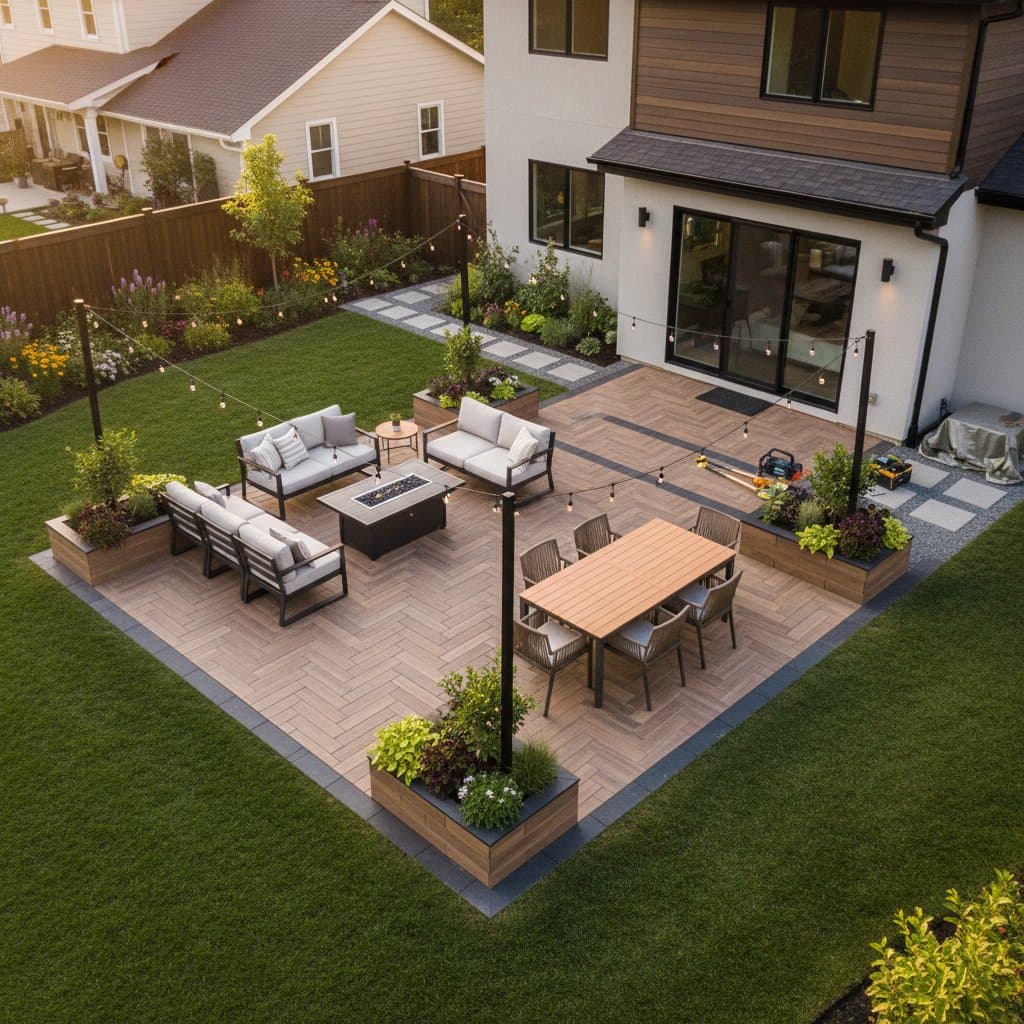
Unlock 300 Sq Ft Outdoor Living in One Weekend
Creating a stylish, functional outdoor living space no longer requires months of construction or massive budgets. Modern modular and prefab patio systems allow you to expand your home's livable area by up to 300 square feet in a single weekend. These systems suit various needs, from a cozy lounge for evening relaxation to a dining zone for family meals or a small entertainment area.
This guide details how to plan, price, and complete a quick outdoor expansion that appears custom-built yet installs in days rather than months. Follow these steps to achieve speed, flexibility, and long-term value in your project.
Average Cost of a 300 Sq Ft Modular Outdoor Living Space
The cost to create a 300 square foot modular outdoor space generally ranges from $8,500 to $25,000. This variation depends on materials, design complexity, and included features. A mid-range setup with decking, a shade structure, and basic furnishings averages $15,000 nationally.
Modular systems offer scalability as a key benefit. Begin with a simple layout and later incorporate elements such as pergolas, outdoor kitchens, or privacy walls. This approach avoids demolition or major redesigns.
| Project Type | Size | Typical Cost Range | Average Cost |
|---|---|---|---|
| Basic prefab patio | 300 sq ft | $8,500 - $12,000 | $10,000 |
| Mid-range modular deck with cover | 300 sq ft | $12,000 - $18,000 | $15,000 |
| High-end modular outdoor room | 300 sq ft | $18,000 - $25,000 | $21,000 |
Cost Breakdown by Material
Material choices significantly affect both cost and durability. Select options that balance initial investment with long-term performance for your climate and usage. The table below compares popular flooring and structural materials.
| Material | Average Cost per Sq Ft (Installed) | Durability | Maintenance | Aesthetic Appeal |
|---|---|---|---|---|
| Composite decking | $25 - $40 | Excellent | Low | Modern, clean finish |
| Pressure-treated wood | $18 - $28 | Good | Moderate | Natural, rustic |
| Concrete pavers | $20 - $35 | Excellent | Low | Versatile, durable |
| Porcelain tile (outdoor-rated) | $30 - $45 | Excellent | Low | High-end appearance |
| Aluminum frame (for modular covers) | $35 - $50 | Excellent | Very low | Sleek, contemporary |
Composite decking paired with aluminum framing proves ideal for rapid modular installations. These materials provide longevity, weather resistance, and minimal upkeep, ensuring your space endures seasonal changes.
Labor Costs and Installation Timeline
Labor typically comprises 30 to 45 percent of the total project cost. For a 300 square foot build, allocate $4,000 to $9,000 for labor, covering site preparation, assembly, and finishing. Professional installers benefit from prefab units that arrive pre-engineered and partially assembled.
Most builds finish in two to three days with experts on site. Homeowners skilled in DIY can manage basic installations over one weekend. Use pre-leveled modular foundations and snap-fit decking tiles to streamline the process.
Factors That Influence Total Cost
Multiple elements can adjust the final price of your outdoor expansion. Evaluate these during planning to align with your budget. Site conditions, such as slope or soil type, often require additional preparation.
Foundation needs, including gravel leveling or minor grading, add to expenses. Material upgrades like premium decking or custom railings increase costs, as do utility connections for kitchens or lighting. Permitting may apply if structures surpass local limits, and furnishings complete the functional area.
How to Save Money on a Modular Outdoor Upgrade
Implement these strategies to lower costs while preserving quality and style. Prioritize efficiency in every phase of the project.
- Opt for modular foundations over poured concrete to cut time and skip curing waits.
- Select composite decking for its durability, eliminating needs for staining or sealing.
- Defer permanent utilities until the layout proves effective, adding plumbing or gas lines afterward.
- Perform finishing tasks yourself, including furniture assembly and planter placement.
- Purchase kits during off-season sales when manufacturers offer discounts on prefab packages.
- Integrate existing hardscaping, such as paver walkways or concrete pads, as your base.
These methods enable a high-end appearance at mid-range pricing through modular design and phased implementation.
DIY vs. Hiring a Professional
A 300 square foot modular patio or deck suits weekend DIY efforts for those familiar with basic tools. Prefab components simplify assembly, though complexity varies by system. Assess your skills against each task before deciding.
| Task | DIY Feasibility | Professional Cost | Notes |
|---|---|---|---|
| Site leveling | Moderate | $500 - $1,200 | Possible with manual tools and measurement |
| Deck or patio assembly | High | $2,000 - $4,000 | Modular panels reduce complexity |
| Pergola or shade frame | Moderate | $1,000 - $2,500 | Demand precision and firm anchoring |
| Electrical setup | Low | $500 - $1,500 | Require a licensed electrician |
| Outdoor kitchen install | Low | $2,000 - $5,000 | Ensure safety through expert handling |
Professionals guarantee structural integrity, especially with electrical or gas elements. For lounging or dining zones, DIY kits yield professional results with careful planning.
Common Mistakes to Avoid
Steer clear of these pitfalls to safeguard your investment and achieve the desired outcome. Proper preparation prevents costly fixes.
- Neglect site preparation, which causes drainage issues and instability on uneven ground.
- Overlook shade requirements, rendering spaces unusable during intense sunlight.
- Disregard local building codes, as even modest structures may need permits.
- Exceed load limits on modular platforms; consult manufacturer specs.
- Use indoor-rated materials, which degrade rapidly in outdoor exposure.
Adhere to planning steps and guidelines for an efficient, compliant project.
Questions to Ask a Contractor Before Hiring
When engaging professionals, pose these questions for transparency and reliability. They facilitate accurate bid comparisons.
- How many modular or prefab patio systems have you installed previously?
- What site preparation elements does your estimate cover?
- Are permits necessary, and will you manage the process?
- What warranty applies to workmanship and materials?
- Can you supply a detailed labor and material cost breakdown?
- How do you address weather delays or delivery complications?
- Does the design allow future expansions or modifications?
These inquiries minimize surprises and align expectations from the start.
Frequently Asked Questions About Modular Outdoor Spaces
Do I need a permit for a modular patio or deck?
Modular systems below certain heights or without fixed foundations often bypass permits. Regulations differ by location, so contact your city's building department to confirm.
How long does it take to install a 300 sq ft modular outdoor space?
Professionals complete installations in two to three days. Experienced DIYers finish within a weekend using prefab components.
What adds the most value to an outdoor living space?
Shade structures, composite decking, and integrated lighting boost usability, comfort, and home resale value most effectively.
Can modular outdoor spaces handle heavy rain or moisture?
They perform well with adequate drainage and rated materials. Composite decking and aluminum framing excel in wet conditions.
Are prefab outdoor systems customizable?
Contemporary systems feature interchangeable panels, adjustable flooring, and roofing. Expand, add walls, or reconfigure as needs evolve.
How do I maintain a modular patio?
Clean surfaces with mild soap and water periodically. Annually check fasteners and remove debris from drainage areas to avoid accumulation.
Plan Your Outdoor Expansion Today
Assess your backyard's potential and select modular components that fit your lifestyle. With careful budgeting and execution, transform 300 square feet into a versatile retreat. This investment enhances daily enjoyment and property appeal for years ahead.