
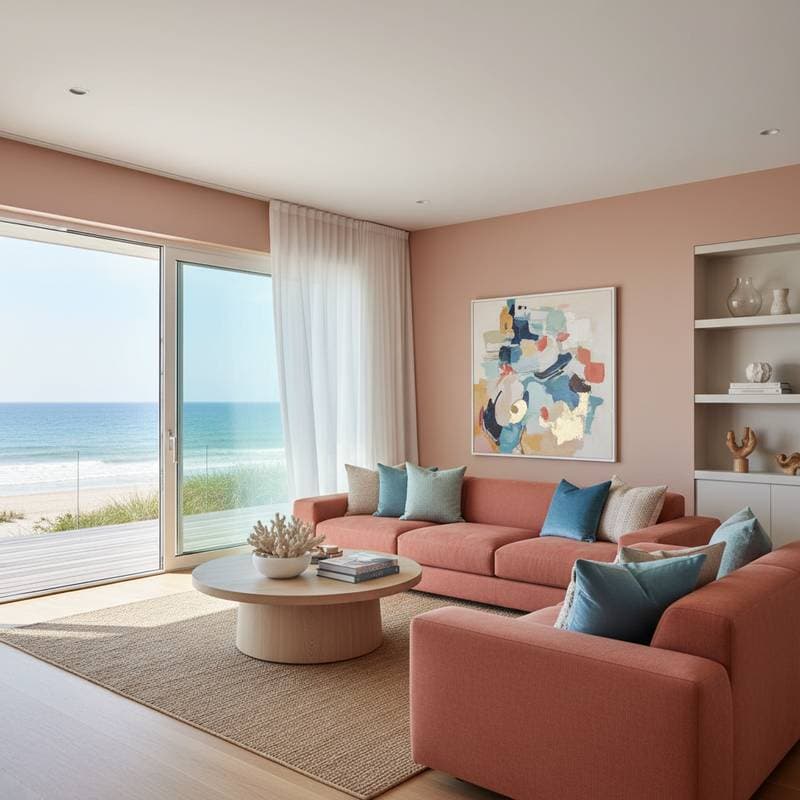
Coral Tones Lead 2026 Beach House Design Trends
Beach houses serve as ideal spaces for capturing natural light, relaxed elegance, and coastal charm. The emerging design movement introduces a fresh element to this enduring aesthetic. Coral tones now dominate beach house palettes, supplanting subdued neutrals with sunlit vibrancy that maintains an organic and tranquil essence. Homeowners preparing to renovate or update their coastal properties will find that coral-infused schemes revitalize both interiors and exteriors, delivering warmth, vitality, and sophisticated seaside character.
Why Coral Defines the Future of Coastal Design
Coral occupies a unique position among pink, orange, and peach shades, offering unmatched adaptability. This color mirrors the radiance of a coastal sunset, the subtle flush of seashells, and the vitality of tropical reefs. Interior designers favor coral for its capacity to foster uplifting yet polished environments deeply rooted in natural surroundings.
In contrast to vivid pinks or intense reds, coral projects accessibility. Its inherent warm undertones integrate seamlessly with cool ocean blues and gentle sandy neutrals, rendering it perfect for seaside applications. The outcome yields a narrative of hues that invigorates without fleeting trends, ensuring enduring freshness.
The Psychological Influence of Coral
Principles of color psychology underpin coral's prominence. This shade inspires positivity, innovation, and ease, aligning perfectly with the leisurely rhythm of beachfront existence. When combined with pale woods, whitewashed surfaces, or rugged stone textures, coral establishes equilibrium, promoting serenity while preserving distinctive personality.
Typical Expenses for a Coral-Centric Beach House Refresh
Homeowners embarking on a renovation focused on coral palettes encounter varying expenses influenced by project scale and quality standards. The following outlines average national figures for updating a beach house with coral elements and supporting colors.
| Project Type | Low Range | Mid Range | High Range | Description |
|---|---|---|---|---|
| Full Interior Paint | $4,000 | $6,500 | $9,000 | Encompasses walls, trim, and ceilings with premium coastal paints resistant to moisture |
| Exterior Repaint | $5,000 | $8,500 | $12,000 | Utilizes salt-tolerant coatings and specialized preparation for siding and accents |
| Kitchen Refresh | $15,000 | $25,000 | $45,000 | Involves cabinet refinishing in coral shades, durable quartz surfaces, and updated fixtures |
| Bathroom Remodel | $10,000 | $18,000 | $30,000 | Features coral-inspired tile details, refreshed vanities, and modern plumbing |
| Furniture and Decor Update | $5,000 | $10,000 | $20,000 | Includes seaside-appropriate pieces, coral-hued fabrics, and thematic accessories |
A comprehensive coral-themed overhaul for an average-sized beach house generally falls between $40,000 and $70,000, contingent on selected finishes and materials.
Expenses by Material and Finish Quality
Selecting materials for coral integration profoundly affects both budget and endurance. Properties in high-exposure beach environments require robust options that withstand humidity, intense sunlight, and saline air.
| Material | Average Cost per Square Foot | Durability | Coral Compatibility |
|---|---|---|---|
| Premium Interior Paint | $1.50 to $3.00 | Moderate | Superior for wall applications and detailed trim work |
| Porcelain Tile | $5.00 to $10.00 | High | Excellent for patterned backsplashes in coral motifs |
| Quartz Countertops | $60 to $100 | Very High | Pairs ideally with subdued coral cabinet treatments |
| Upholstery Fabric (Indoor/Outdoor) | $25 to $50 per yard | High | Suited for coral-accented pillows and seating |
| Reclaimed Wood | $7.00 to $15.00 | High | Enhances coral with authentic, textured warmth |
Labor Expenses and Expert Assistance
Labor accounts for 40 to 60 percent of total renovation expenditures. Specialists in coastal applications, such as painters versed in humidity-resistant techniques, command higher rates due to environmental challenges. Anticipate these professional fees:
- Painters: $3 to $6 per square foot for superior applications
- Interior Designers: $100 to $200 per hour for bespoke coral scheme development
- Tile Installers: $8 to $15 per square foot for intricate coral-patterned installations
Elements Affecting Overall Expenses
Multiple factors can alter the final budget:
- Location near the water: Structures adjacent to the sea necessitate enhanced protective coatings and materials.
- Current state of the property: Substantial preparation or structural fixes extend labor duration.
- Choice of materials: Specialty imports like exotic tiles or bespoke textiles elevate costs.
- Dimensions and configuration of rooms: Expansive, open layouts often lower expenses per unit area through streamlined workflows.
- Bespoke elements: Artisanal coral murals or tailored cabinetry contribute luxury pricing alongside personalized flair.
Strategies to Reduce Costs in a Coral-Focused Renovation
- Initiate with painting projects. An accent wall in coral delivers immediate impact at minimal outlay.
- Blend coral selectively with neutrals. Apply it to focal points such as cabinets or fabrics to conserve on resources.
- Reuse current furnishings. Refinishing or recovering in coral variants proves more economical than outright substitution.
- Opt for intermediate-grade options. Synthetic quartz and advanced acrylic paints provide resilience without premium tags.
- Implement staged updates. Commence in primary zones like living areas and proceed incrementally as funds permit.
DIY Approaches Versus Professional Services
Benefits of DIY Methods
- Reduced initial outlay, potentially cutting labor by 20 to 30 percent
- Full authority over hue distribution and surface choices
- Well-suited for modest tasks, including accent painting or decor swaps
Benefits of Professional Expertise
- Utilization of high-end materials and unified color strategies
- Thorough preparation ensuring sustained performance in marine climates
- Streamlined execution with guarantees on quality
DIY suits minor coral enhancements, such as fabric updates or feature walls. Larger endeavors, encompassing cabinetry or tiling, benefit from professional oversight to achieve lasting unity and strength.
Pitfalls to Sidestep in Coral Implementations
- Excessive application of coral: Overabundance risks dominating the environment. Counter with whites, sands, or grays for equilibrium.
- Overlooking illumination effects: Coral alters appearance across lighting conditions. Sample hues in ambient and overhead sources.
- Disregarding outdoor durability: Seaside elements require paints fortified against ultraviolet rays and mold growth.
- Bypassing expert advice: A brief consultation with a color specialist averts expensive errors.
Common Queries on Coral in Beach House Design
How to temper the intensity of coral shades?
Combine coral with serene neutrals or subdued blues. Employ it as an accent to preserve poise and elegance.
Which coral variations suit compact areas?
Opt for gentle peach-coral or rose-coral variants. These reflect illumination, expanding the perception of space while imparting subtle heat.
Do coral hues deteriorate rapidly under solar exposure?
Exterior paints formulated with ultraviolet blockers maintain vibrancy for extended periods in luminous coastal settings.
Is coral appropriate for full exterior walls or limited to details?
Reserve coral for highlights like shutters, entryways, or edging. For comprehensive facades, integrate pale coral into stucco or pair with neutral beiges for subtlety.
Which elements complement coral in seaside aesthetics?
Incorporate organic materials such as woven rattan, weathered driftwood, ocean-hued glass, and breathable linens to anchor coral's dynamism in authentic coastal motifs.
Does incorporating coral boost property attractiveness?
Indeed. Coral introduces compelling visuals to coastal residences, fostering an appealing and welcoming facade that supports market value and allure.
Integrating Coral for Enhanced Coastal Living
To weave coral into your beach house, begin by selecting a core shade that resonates with your home's orientation and light patterns. Test swatches on various surfaces during different times of day to capture its true essence. Layer coral gradually: start with a single wall or upholstery piece, then expand to textiles and accessories that echo the ocean's palette.
Consider the broader lifestyle benefits. Coral not only brightens spaces but also fosters a mood of renewal, ideal for retreats where relaxation reigns. By balancing this hue with enduring neutrals and natural textures, you craft a sanctuary that evolves with the tides, blending contemporary flair with classic seaside serenity.