
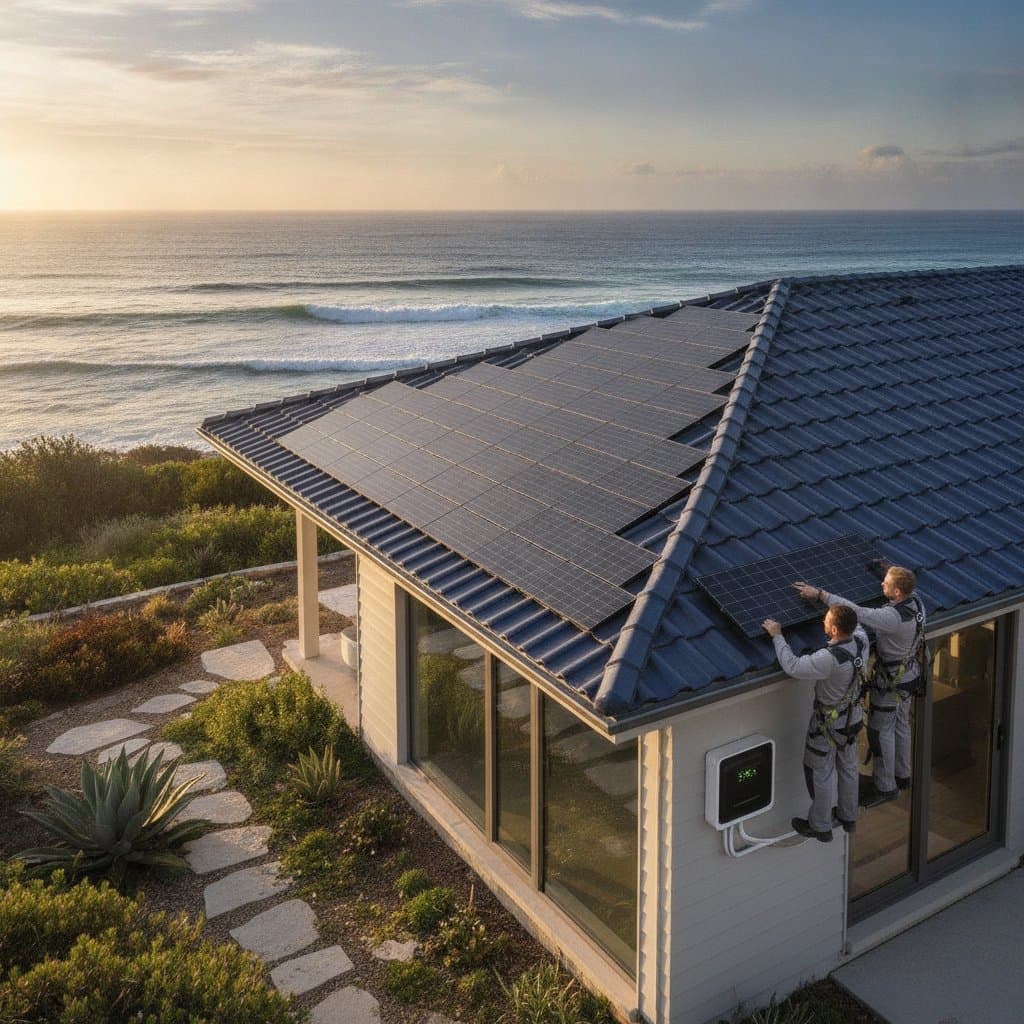
Coastal Homes Slash Energy Bills 65% With Solar Shingles
Homeowners along the coast are discovering a powerful way to cut energy costs while preserving the charm of their seaside properties. Solar shingles, also known as photovoltaic roof tiles, are transforming how coastal homes generate electricity. The average coastal homeowner can reduce energy bills by up to 65 percent with a properly sized solar shingle installation. These roofing systems blend renewable energy technology with modern design, offering both sustainability and style.
Whether a home overlooks the Pacific or faces the Atlantic breeze, solar shingles deliver an efficient solution that withstands salty air, high humidity, and strong sun exposure. This article explores how solar shingles achieve such impressive savings, what influences their performance, and how to plan a coastal roofing upgrade for maximum return.
Average Cost of Solar Shingle Installation
The cost to install solar shingles varies by home size, location, and roofing complexity. While the initial investment is higher than standard asphalt roofing, the long-term energy savings and durability often offset the expense.
| Roof Size (sq. ft.) | Estimated Cost Range | Average Energy Savings | Typical Payback Period |
|---|---|---|---|
| 1,500 | $25,000 - $35,000 | 45% reduction | 8 - 10 years |
| 2,000 | $30,000 - $45,000 | 55% reduction | 7 - 9 years |
| 3,000 | $40,000 - $60,000 | 65% reduction | 6 - 8 years |
These estimates include roofing materials, labor, and inverter systems. Over time, the system generates enough electricity to offset its cost, particularly in sunny coastal regions where solar exposure is consistent.
Factors That Influence Solar Shingle Performance
Every coastal home presents unique conditions that affect solar energy output. Understanding these factors helps homeowners plan installations that deliver the highest efficiency.
Roof Orientation and Angle
South-facing roofs capture the most sunlight, while east or west orientations may require additional shingles to achieve the same output. The pitch of the roof also matters. Steeper angles can improve performance in certain climates.
Coastal Weather Patterns
Coastal climates offer abundant sunshine but also bring fog, wind, and salt exposure. High-quality solar shingles with marine-grade coatings resist corrosion and maintain output even in humid conditions.
Roof Material and Structure
Before installation, contractors evaluate the existing roof structure. Older roofs may need reinforcement or partial replacement. Since solar shingles serve as both roofing and energy equipment, proper installation ensures weather tightness and durability.
Local Energy Rates
The higher the local electricity costs, the faster solar shingles pay for themselves. Coastal cities often have elevated utility rates, making renewable roofing an even smarter investment.
Design Ideas for Coastal Solar Roofs
Solar shingles are available in various styles and finishes to match different architectural aesthetics. Coastal homeowners can choose designs that complement their surroundings while maximizing solar exposure.
Popular Styles
- Slate-look shingles: Ideal for traditional coastal cottages or Cape Cod-inspired homes.
- Matte black tiles: Perfect for modern or minimalist beachfront properties.
- Textured glass finishes: Add subtle shimmer that enhances curb appeal without standing out.
Select shingle tones that blend with exterior siding, trim, or landscape features. Lighter colors reflect heat better, while darker finishes absorb more sunlight for higher output. A contractor can model performance differences to help with the decision.
Professional Installation Requirements
Solar shingles require specialized electrical and roofing expertise. Coastal environments demand extra care due to salt exposure and wind uplift. Hiring a certified installer ensures proper weather sealing, structural support, and electrical safety.
Professional advantages include correct integration with roof membranes and flashing systems, compliance with local building codes and utility interconnection requirements, and access to manufacturer warranties that protect both roofing and energy systems.
Selecting a Qualified Installer
Choosing the right professional makes a big difference in performance and longevity. When interviewing potential installers, ask about their experience with coastal environments.
- Verify previous coastal installations.
- Review warranty coverage for both materials and labor.
- Ask about corrosion-resistant materials.
- Discuss expected payback timeline and energy output.
- Confirm maintenance and inspection schedules.
Protecting Long Term Performance
Once installed, solar shingles require only periodic care. Keep roof surfaces free of debris, salt, and organic buildup. Schedule annual inspections to confirm electrical connections remain tight and surfaces undamaged. Coastal homeowners who maintain their systems properly can enjoy decades of free electricity, stable indoor comfort, and a modern roof that continues to impress visitors and buyers alike.