
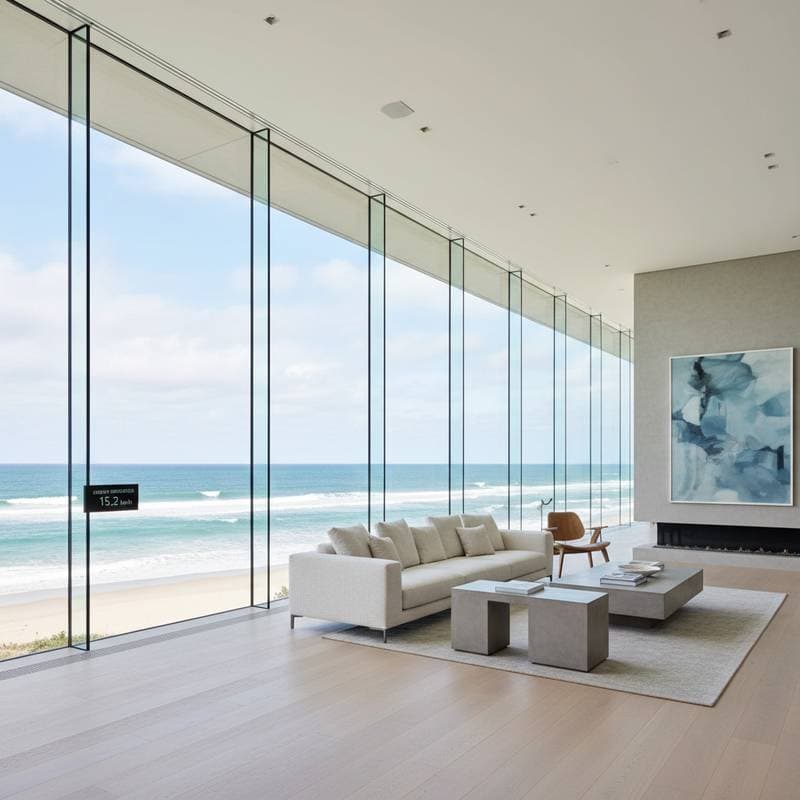
Coastal Homes Generate Power with Clear Solar Windows
Coastal homeowners discover innovative ways to energize properties while preserving the scenic views that define oceanfront lifestyles. Transparent solar windows, or energy-generating glass, redefine sunlight capture in modern residences. These materials convert windows into efficient power sources, balancing utility and visual appeal. In sun-abundant coastal areas, such advancements promote self-sufficient building practices.
Homeowners who question the need for obtrusive rooftop arrays find viable alternatives in transparent solar windows. These panels integrate seamlessly into architectural designs, either replacing or supplementing conventional solar setups. Although the technology remains in early adoption stages, it influences builders and residents to prioritize renewable energy in harmonious ways.
What Are Transparent Solar Windows?
Transparent solar windows consist of glass panels infused with photovoltaic elements that transform sunlight into electricity without impairing sightlines. Microscopic coatings or organic cells capture non-visible light wavelengths, allowing visible light to transmit freely for clear viewing.
Distinct from space-intensive rooftop panels, solar windows serve structural roles. Any window becomes an energy contributor, proving advantageous for coastal sites with constrained or shaded roof areas.
How the Technology Works
The process involves selective light filtration in transparent solar glass. Infrared and ultraviolet spectra convert to electricity, while visible rays pass unimpeded. Conductive borders or clear electrodes direct energy to an inverter, integrating it into the home electrical grid.
Applications span various elements:
- Residential windows
- Skylights
- Glass railings
- Balcony doors
- Greenhouse panels
This approach embeds renewable generation directly into building fabrics.
Average Cost of Solar Windows
Pricing for transparent solar windows varies by producer, dimensions, output capacity, and setup demands. Installed rates typically fall between $900 and $1,200 per square meter. A standard coastal residence featuring expansive glazing might allocate $25,000 to $45,000 for a comprehensive system yielding notable electricity.
Traditional rooftop solar installations range from $15,000 to $30,000 overall. Solar windows command premium rates per watt yet deliver superior design adaptability and visual enhancement.
Cost Breakdown
| Component | Estimated Cost Range | Description |
|---|---|---|
| Glass panels | $700 - $1,000 per sq. m | Includes photovoltaic coating |
| Installation | $150 - $250 per sq. m | Covers labor, sealing, electrical links |
| Inverters and wiring | $3,000 - $6,000 total | Handles energy conversion |
| Maintenance | $200 - $500 annually | Encompasses cleaning and inspections |
Energy Output and Efficiency
Transparent solar windows yield lower efficiency than solid panels but sustain production across daylight hours. Conversion rates hover at 8 to 12 percent, compared to 15 to 20 percent for rooftop variants. Extensive glazing surfaces compensate for reduced rates.
A residence with 40 square meters of solar glass might generate 3,500 to 4,000 kilowatt-hours yearly, addressing key household demands in sunny locales such as Southern California.
Energy Production by Window Type
| Window Type | Transparency | Average Efficiency | Annual Output (per 10 sq. m) |
|---|---|---|---|
| Fully transparent | 70% | 8% | 800 kWh |
| Semi-transparent | 50% | 10% | 1,000 kWh |
| Tinted solar glass | 30% | 12% | 1,200 kWh |
Selections balance visibility against yield. Ocean-view priorities favor high transparency, while shaded zones benefit from tinted variants for enhanced output.
Factors That Influence Total Cost
Key elements shape overall expenses for transparent solar windows:
- Glass area and dimensions: Expanded surfaces raise costs alongside power gains.
- Window orientation: South- and west-facing exposures maximize coastal sunlight.
- Building height and access: Elevated setups demand advanced tools.
- Electrical modifications: Legacy systems often require panel enhancements.
- Permits and regulations: Certain areas mandate approvals for active glazing.
- Environmental factors: Coastal salt and moisture necessitate durable frames.
Labor Costs and Installation Process
Labor constitutes 20 to 30 percent of project budgets. Experts guarantee sealed, integrated, and compliant assemblies. Electricians bill $50 to $100 hourly for connections, while glaziers or solar specialists oversee panel placement.
Installation Steps
- Site assessment: Analyze exposure, obstructions, and alignments.
- Design and measurement: Tailor panels to precise openings.
- Frame preparation: Strengthen or substitute for solar readiness.
- Glass installation: Secure and seal with weatherproof agents.
- Electrical connection: Route wiring to inverters.
- Testing and inspection: Confirm functionality and safety.
Projects span one to two weeks, influenced by panel count and conditions.
Comparing Transparent Solar Windows to Traditional Panels
| Feature | Transparent Solar Windows | Rooftop Solar Panels |
|---|---|---|
| Appearance | Clear or tinted glass | Opaque black panels |
| Installation area | Windows and facades | Roof surfaces |
| Efficiency | 8-12% | 15-20% |
| Aesthetic integration | High | Moderate |
| Maintenance | Low | Moderate |
| Cost per watt | Higher | Lower |
| Structural value | Dual-purpose glass | Dedicated system |
Solar windows suit new builds or major overhauls involving glazing updates. In established homes, they augment rooftop arrays for optimal yields.
How to Save Money on Transparent Solar Windows
Upfront premiums exceed standard glazing, yet targeted approaches curb outlays:
- Integrate with advanced insulation to cut cooling needs and bills.
- Target high-sun zones like southern exposures or overhead lights.
- Leverage federal tax credits and regional rebates for renewables.
- Add storage batteries to store excess for off-peak demands.
- Time setups with broader remodels to share labor and access costs.
- Opt for semi-transparent types optimizing expense, seclusion, and efficiency.
Such tactics trim investments by 10 to 20 percent without sacrificing performance.
DIY vs. Hiring a Professional
DIY Feasibility
Transparent solar windows demand specialized skills beyond typical self-installs. Custom fabrication, voltage management, and precise fitting pose risks of inefficiency or damage.
Professional Installation Benefits
- Warranty validity: Certifications uphold manufacturer guarantees.
- Regulatory adherence: Experts navigate building and electrical standards.
- PerformanceAlignments capture peak sunlight.
- Hazard prevention: Grounding and barriers ensure secure operations.
Professionals deliver enduring, worry-free results.
Common Mistakes to Avoid
- Placement in low-light zones reducing yields.
- Mismatched transparency for room functions.
- Neglected upkeep shortening durability.
- Incompatible inverters causing inefficiencies.
- Bypassed permits delaying activations.
Steering clear sustains investment viability.
Environmental and Lifestyle Benefits
These windows diminish utility costs while elevating well-being and eco-impact. They curb emissions, shrink carbon profiles, and foster autonomy. Abundant daylight pairs with generation, suiting view-centric coastal designs.
Added Property Value
Renewable integrations lift values by 3 to 7 percent in aware markets. Prospects value enduring economies and eco-appeal. Distinctive solar glazing sets properties apart competitively.
Frequently Asked Questions About Solar Windows
Do I need a permit to install transparent solar windows?
Authorities classify them akin to other renewables, mandating approvals for wiring and alterations. Coastal zones add wind and corrosion stipulations. Contractors manage documentation.
How long do solar windows last?
Premium units endure 20 to 30 years, aligning with panel lifespans. Regular care sustains output.
Can solar windows power an entire home?
Coverage spans 25 to 70 percent of needs, based on scale and consumption. Complements like roofs or storage approach completeness.
Are transparent solar windows safe in coastal climates?
Designs incorporate marine frames and resistant layers against salt, dampness, and gales. Inspections maintain integrity.
How do they perform on cloudy days?
Diffuse light sustains operation, with 20 to 30 percent reduced yields. Contributions persist reliably.
What maintenance is required?
Quarterly cleans with gentle solutions suffice. Yearly tech reviews secure links.
Can I retrofit existing windows?
Replacements enable upgrades, ideally during overhauls for efficiency.
Sustaining Long-Term Performance
Routine evaluations preserve solar window efficacy. Address minor issues promptly to extend service life. Integrate monitoring tools for real-time insights, ensuring ongoing energy gains and system reliability.