
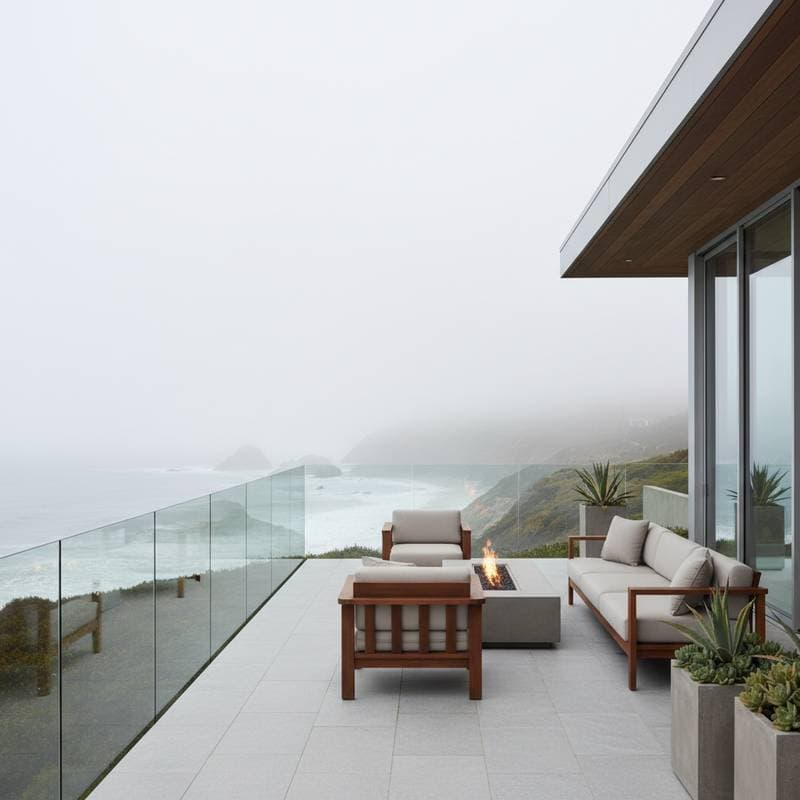
Why Fog-Resistant Glass Transforms Coastal Patios
Coastal living provides stunning views, refreshing breezes, and a deep connection to nature that few locations can rival. However, for homeowners near the ocean, one ongoing challenge often diminishes the experience: condensation on glass surfaces. When humid air contacts cooler glass, moisture accumulates, blocking sightlines and demanding constant maintenance. Fog-resistant glass addresses these issues directly, delivering clearer views and more resilient outdoor spaces.
This guide explores the nature of fog-resistant glass, its operational principles, and the reasons it represents a wise investment for coastal properties. Readers will gain insights into how this innovation safeguards homes, elevates comfort levels, and increases the enduring appeal of patio designs.
Understanding Fog-Resistant Glass
What Makes It Different
Fog-resistant glass incorporates a specialized nano coating that inhibits moisture condensation on its surface. Rather than allowing water to form visible droplets, the coating distributes liquid evenly, ensuring the glass remains transparent during humid or foggy weather. Professionals commonly install this glass in windows, sliding doors, and enclosed patios within coastal residences to combat environmental challenges.
The Science Behind the Coating
The nano coating establishes a hydrophilic surface, which draws water toward it instead of pushing it away. As a result, any condensation spreads into a thin, transparent layer rather than clustering into obstructive beads that scatter light. Advanced formulations often integrate UV blockers to shield against sun damage and corrosion-resistant elements tailored for saline coastal atmospheres, thereby extending the lifespan of the glass beyond that of conventional options.
Benefits for Coastal Patios
Clear Views in Any Weather
A primary advantage of fog-resistant glass lies in its capacity to preserve visibility amid fluctuating humidity levels. Homeowners can savor morning rituals or evening social events with unobscured panoramas of the sea, rugged cliffs, or lush surroundings. This consistent clarity enhances the sensory pleasure of seaside living without interruptions from weather-related haze.
Less Maintenance and Cleaning
Standard glass demands frequent attention to eliminate fog, salt deposits, and accumulated dirt. In contrast, fog-resistant glass significantly cuts down on such routines. The nano coating discourages residue adhesion, resulting in fewer visible streaks and reduced cleaning frequency. For properties featuring expansive glass doors or full-wall installations, these savings translate to substantial reductions in time and labor.
Improved Durability
Oceanfront environments expose materials to abrasive forces like salt spray, windborne sand, and persistent dampness, which accelerate wear on regular glass through etching or pitting. Fog-resistant glass withstands these stressors through reinforced engineering. The protective layer also mitigates minor abrasions and persistent water marks, upholding a pristine appearance with basic upkeep over extended periods.
Energy Efficiency and Comfort
Numerous fog-resistant glass options feature double- or triple-pane insulated units that moderate temperature variations. These systems maintain cooler interiors during intense sunlight and retain warmth against coastal chills. Such thermal control diminishes reliance on supplemental cooling or heating devices, fostering seamless indoor-outdoor integration while promoting energy conservation.
How to Choose the Right Fog-Resistant Glass
Compare Coating Technologies
Evaluate products based on the durability and application method of their nano coatings. Opt for factory-applied permanent coatings, which bond molecularly to the glass and endure for decades, over short-term sprays that require reapplication. Review specifications from manufacturers to confirm resistance to environmental factors like salt and UV exposure, ensuring alignment with local coastal demands.
Ask About Warranty and Maintenance
Inquire about comprehensive warranties that cover coating integrity, glass performance, and installation defects, typically spanning 10 to 25 years for premium products. Clarify maintenance protocols, such as recommended cleaning agents and schedules, to avoid voiding coverage. Reputable suppliers provide detailed guides, helping owners sustain optimal function without unintended damage.
Work with Experienced Installers
Select contractors with proven expertise in coastal installations, verified through certifications from organizations like the National Fenestration Rating Council. They assess site-specific needs, such as wind loads and humidity patterns, to recommend suitable glass thicknesses and framing. Professional installation ensures seals remain airtight, maximizing anti-fog efficacy and structural reliability.
Frequently Asked Questions
What causes glass to fog up on coastal patios?
Warm, moisture-laden air contacts a colder glass surface, prompting water vapor to condense into droplets. Coastal regions, with their elevated humidity from ocean proximity, exacerbate this phenomenon, particularly during temperature shifts.
Can fog-resistant glass completely eliminate condensation?
This glass greatly reduces visible fogging by dispersing moisture, but it does not alter ambient humidity levels. Surfaces stay notably clearer for prolonged durations, even in saturated environments.
Does the nano coating wear off over time?
Premium coatings resist degradation and perform reliably for 10 to 20 years or more. Owners preserve longevity by employing gentle, non-abrasive cleaning methods and avoiding exposure to extreme chemicals.
Is fog-resistant glass more expensive than standard glass?
Initial costs exceed those of basic glass by 20 to 50 percent, depending on size, features, and supplier. Long-term savings from decreased maintenance and replacement needs often offset the premium, particularly in high-exposure coastal settings.
Can fog-resistant glass be tinted or customized?
Customization options abound, including subtle tints for glare reduction, enhanced UV filtering, or aesthetic patterns. These modifications integrate seamlessly with the anti-fog properties, allowing personalization to match architectural styles.
How should fog-resistant glass be cleaned?
Apply a solution of mild detergent and lukewarm water using a microfiber cloth for gentle wiping. Steer clear of ammonia-based cleaners or scrubbers, which may compromise the coating's effectiveness.
Securing Lasting Clarity for Seaside Patios
Installing fog-resistant glass empowers homeowners to fully embrace their outdoor spaces, free from obscured vistas and excessive care demands. Selecting robust solutions, partnering with knowledgeable experts, and adhering to care guidelines safeguard this enhancement. In turn, such investments elevate everyday enjoyment, blending aesthetic appeal with practical resilience in ocean-adjacent homes.