
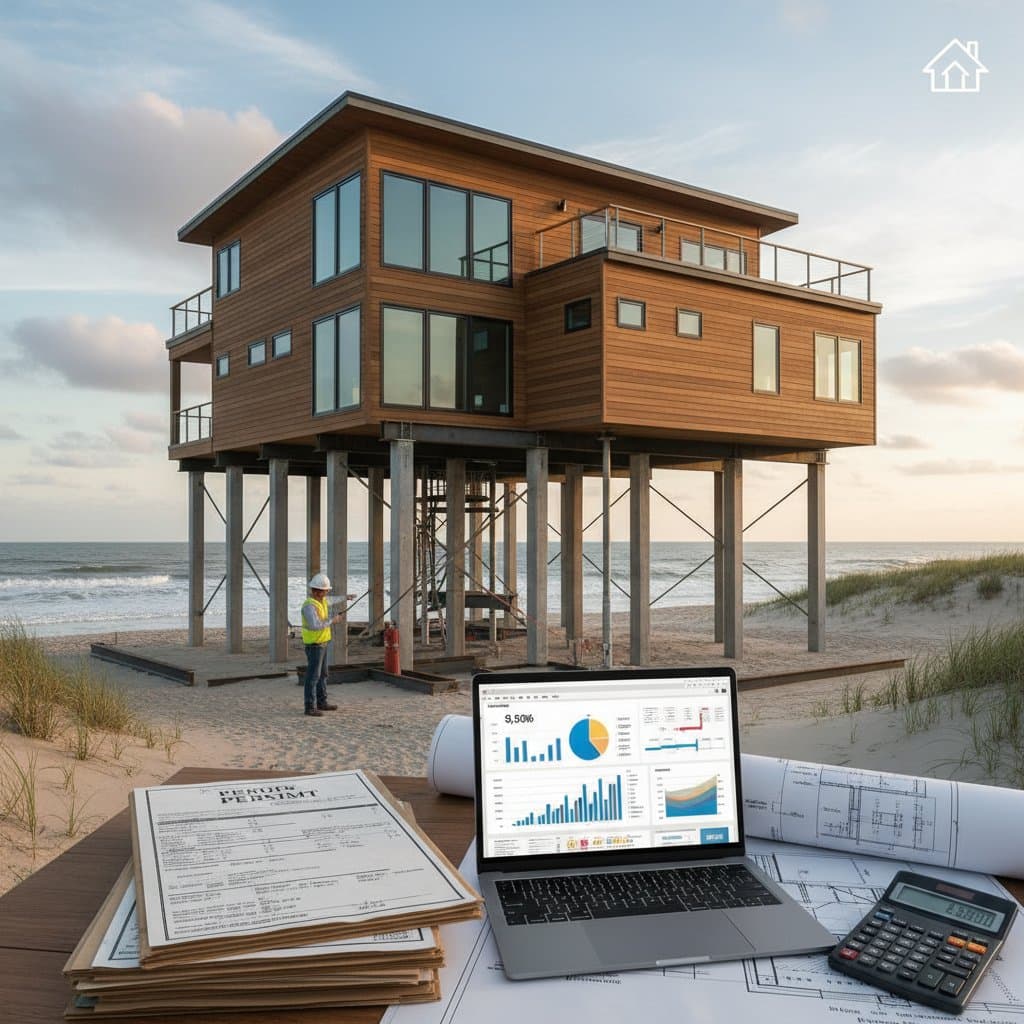
Coastal Foundation Lifts in Flood Zones: Costs and Planning Essentials
Coastal living provides stunning ocean views and a serene environment, but properties in flood zones face risks from rising waters and unstable soil. Elevating the foundation offers a reliable solution to safeguard the structure. This article examines the costs involved, which typically span $40,000 to $150,000, and outlines the factors that determine pricing.
Homeowners often debate the merits of this investment against potential flood damage. The decision hinges on understanding expense drivers and preparation steps. Readers will gain insights into pricing elements, project execution, and strategies to optimize the process for efficiency and durability.
Key Factors Influencing Foundation Lift Costs
1. Home Size and Foundation Type
The dimensions of the home and the existing foundation significantly affect overall expenses. Smaller structures, such as single-story bungalows with slab foundations, may require lifts costing closer to $40,000. Larger homes with pier-and-beam setups often reach $150,000 or more due to increased material and labor needs.
Engineers assess the load-bearing capacity early in planning. This evaluation ensures the lift supports the home's weight without compromise.
2. Required Elevation Height
Local flood maps dictate the minimum elevation, often measured against the base flood elevation line. Raising a home by 2 to 10 feet adds to costs through additional pilings and structural reinforcements. Each foot of lift increases expenses by approximately $5,000 to $10,000, depending on site specifics.
Consult floodplain administrators to confirm requirements. Exceeding the minimum by one foot provides added protection against future sea-level rise.
3. Soil Conditions and Site Preparation
Coastal soils vary from sandy to clay-heavy, impacting stability during the lift. Unstable ground necessitates soil stabilization techniques, such as compaction or helical pile installation, which can add $10,000 to $20,000. Geotechnical surveys, costing $1,000 to $3,000, identify these issues upfront.
Dry, firm soil allows for smoother operations and lower costs. Wet or shifting conditions demand specialized equipment to prevent settling post-lift.
4. Permitting and Regulatory Compliance
Flood zone regulations require permits from local building departments and environmental agencies. Fees range from $500 to $5,000, with delays possible if elevations do not meet standards. Compliance with the National Flood Insurance Program ensures eligibility for insurance discounts.
Submit plans early, including engineering drawings. Professionals familiar with coastal codes streamline approvals and avoid fines.
5. Material and Labor Expenses
High-quality materials like galvanized steel beams and concrete pilings resist corrosion in salty air. Labor rates in coastal areas average $100 to $200 per hour, with projects involving 200 to 500 hours of work. Remote sites increase transportation costs for heavy machinery.
Select durable options to extend the foundation's lifespan. Bulk purchasing through reputable suppliers can reduce material outlays.
6. Additional Site-Specific Challenges
Proximity to water or sloped terrain complicates access for cranes and crews. Utility relocations, such as plumbing and electrical lines, add $5,000 to $15,000. Environmental protections, like erosion control measures, ensure minimal ecosystem disruption.
Conduct a full site inspection to anticipate hurdles. Budget 10 to 20 percent extra for unforeseen adjustments.
Planning Your Foundation Lift Project
7. Selecting a Qualified Contractor
Choose contractors with proven experience in coastal elevations and flood adaptations. Verify licenses, insurance, and references from similar local jobs. A competent team anticipates soil and regulatory issues, preventing cost overruns.
Prioritize expertise over the lowest bid. Established firms offer warranties that protect against future repairs.
8. Optimal Timing and Preparation Steps
Schedule work during dry seasons to avoid rain-induced delays. Remove landscaping, furniture, and fixtures in advance to facilitate crew access. The process spans two to four weeks, including temporary support installation and final securing.
Coordinate with neighbors if shared access is needed. Clear communication maintains timelines and reduces stress.
9. Exploring Financial Support Options
Federal programs like FEMA's Hazard Mitigation Grant Program provide funding for elevations in designated zones. State initiatives and low-interest loans from community development banks offset up to 50 percent of costs. Contact local emergency management offices for eligibility details.
These aids lower the net investment while enhancing resilience. The uplift in property value often recoups expenses within years.
[Image: Elevated coastal home with reinforced pier foundation]
Strategies for Project Success
Obtain three detailed bids to compare scopes and pricing. Ensure equipment matches your home's structural demands. Establish a timeline with clear milestones and phased payments. Record progress through photographs for insurance claims and future sales.
Frequently Asked Questions
What elevation height is recommended for flood zones?
The height aligns with local floodplain rules and base flood elevation. Most owners elevate one foot above the minimum for enhanced security.
Does elevating the foundation reduce insurance premiums?
Yes, compliance with elevation standards qualifies for reduced rates via the National Flood Insurance Program or private carriers.
Is occupancy possible during the lift?
No, vacate the premises for safety throughout the lifting and reconstruction phases.
Which materials suit elevated coastal foundations?
Options include concrete piers, steel beams, and helical piles. Selection depends on soil stability and load requirements.
What is the durability of a lifted foundation?
Well-designed systems endure for decades with routine inspections and maintenance.
Safeguarding Your Coastal Investment
Post-lift maintenance involves annual checks for corrosion and settling. Apply protective coatings to exposed elements and monitor drainage to prevent water pooling. These practices preserve the foundation's integrity and sustain insurance benefits. Ultimately, this proactive step secures your home against escalating flood threats, delivering lasting value and tranquility.