
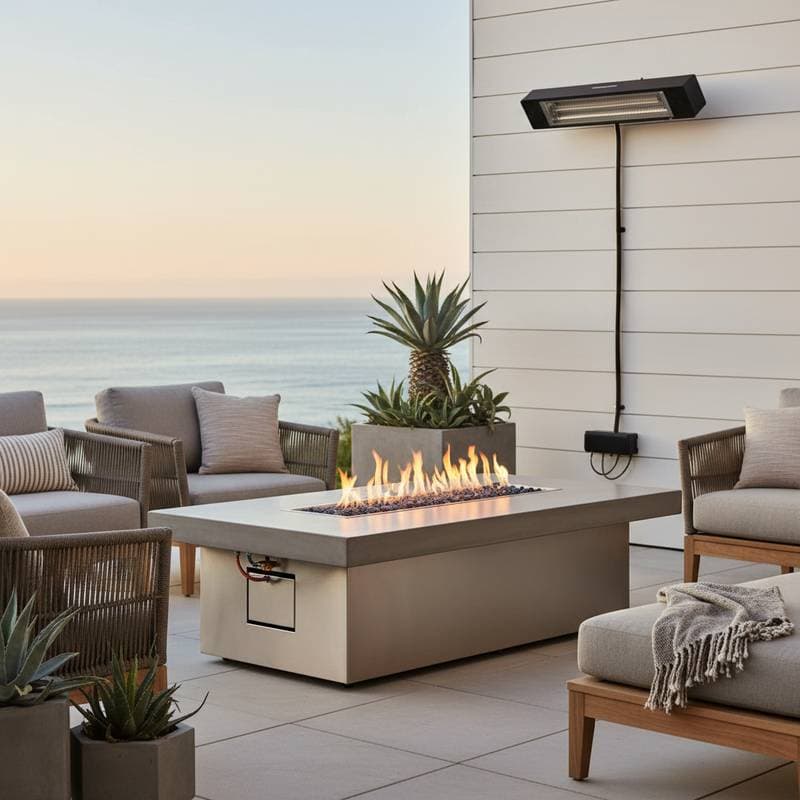
Coastal Homeowners Choose These Fire Pit Alternatives
Coastal homeowners often dream of gathering outdoors under the stars with friends and family. Many coastal regions restrict or discourage traditional wood-burning fire pits. Concerns about air quality, high winds, and wildfire risks have led to strict rules. Residents now seek safe, stylish, and eco-friendly ways to stay warm outdoors. Modern fire pit alternatives deliver comfort and ambiance without smoke, ash, or permitting issues.
This guide examines the most practical fire pit alternatives for coastal properties. Readers will review average costs, maintenance needs, safety benefits, and selection guidance.
Average Cost of Fire Pit Alternatives
The cost of a fire pit alternative depends on the heating system type, fuel source, and installation complexity. The following table provides a general overview of typical pricing:
| Fire Pit Alternative | Average Cost (Installed) | Ongoing Costs | Heat Output | Maintenance Level |
|---|---|---|---|---|
| Gas Fire Table | $1,200 - $3,500 | Moderate (propane/natural gas) | High | Low |
| Electric Patio Heater | $200 - $1,000 | Low (electricity) | Medium | Very Low |
| Gel Fuel Fire Bowl | $80 - $300 | Moderate (gel cans) | Low | Very Low |
| Smokeless Fire Pit (Propane) | $300 - $900 | Moderate | High | Low |
| Outdoor Fireplace (Gas/Electric) | $2,500 - $8,000 | Moderate | High | Moderate |
| Infrared Radiant Heater | $400 - $1,500 | Low | Medium | Very Low |
These figures include both the product and professional setup where needed. Homeowners can expect total installation costs ranging from $200 to $8,000 depending on scale and design.
Cost by Project Scope
Different homeowners approach outdoor heating with varying goals and budgets. A basic setup with a single electric or tabletop gel heater costs $200 to $400 and requires no professional installation. A mid-range setup with a gas fire table or multiple wall-mounted heaters usually costs $1,500 to $3,000 installed. Luxury setups with custom outdoor fireplaces or integrated radiant heating systems can exceed $6,000 yet provide the highest design and comfort level.
Comparing Fire Pit Alternatives
Each alternative carries distinct pros and cons. The table below compares options in terms of cost, safety, environment, and aesthetics.
| Option | Safety Rating | Environmental Impact | Aesthetic Appeal | Best Use Case |
|---|---|---|---|---|
| Gas Fire Table | Very High | Clean-burning | Modern, sleek | Patios, decks |
| Electric Heater | Very High | Zero emissions | Minimalist | Covered areas |
| Gel Fuel Bowl | High | Clean-burning | Portable, decorative | Small patios |
| Smokeless Fire Pit | High | Low emissions | Rustic or contemporary | Open yards |
| Outdoor Fireplace | High | Moderate | Architectural focal point | Large patios |
| Infrared Heater | Very High | Zero emissions | Subtle and functional | Coastal balconies |
Labor and Installation Costs
Labor costs depend on system type and complexity. Electric heaters require $100 to $250 for mounting and wiring. Gas systems need $300 to $1,200 for fuel lines, safety valves, and ignition systems. Custom fireplaces demand $2,000 or more for masonry, ventilation, and design integration. Permits are often required for permanent gas installations but not for portable units. Always verify local rules before proceeding.
Factors That Influence Total Cost
Several variables can raise or lower the overall price. Fuel type affects expenses because propane and natural gas systems cost more initially yet prove cheaper long-term than gel or wood substitutes. Coastal wind exposure may require wind guards or heavier bases. Design complexity such as built-in seating, stone cladding, or integrated lighting increases total cost. Access to utilities and permitting fees add further charges. Material quality matters because stainless steel and marine-grade materials cost more but resist salt corrosion.
How to Save Money on Fire Pit Alternatives
- Choose portable options. Freestanding or tabletop units avoid the need for permanent installation.
- Bundle projects. If you are already upgrading your patio or deck, ask the contractor to install the heating system simultaneously to reduce labor overlap.
- Use electric models. They are inexpensive to install and extremely efficient for smaller spaces.
- Shop off-season. Prices often drop during warmer months.
- Complete minor assembly yourself. Many smokeless pits and gel bowls require only simple setup without tools.
- Skip custom masonry. Prefabricated gas tables or fireplaces offer a similar look for a fraction of the cost.
DIY Versus Professional Installation
Portable units such as gel bowls and tabletop heaters suit straightforward DIY assembly. Gas lines and electrical connections require licensed professionals to ensure safety and code compliance. Custom masonry work benefits from experienced contractors who handle permits and structural integration.
Common Mistakes to Avoid
- Ignoring local regulations. Coastal zones often limit open flames and certain fuel types. Always review local ordinances before purchasing.
- Using indoor-rated heaters outdoors. These lack weather protection and can fail quickly.
- Poor placement. Avoid positioning heaters near flammable materials, overhangs, or windy corners.
- Neglecting maintenance. Even corrosion-resistant materials need occasional cleaning and inspection.
- Overheating small areas. Choose appropriately sized units to conserve energy and maintain comfort.
Frequently Asked Questions About Fire Pit Alternatives
Do fire pit alternatives produce enough heat for cool coastal nights?
Yes. Gas and infrared heaters generate consistent warmth even in breezy conditions. For exposed patios, choose units rated for outdoor use with wind protection.
Are propane fire pits safe for balconies or decks?
They are safe if rated for outdoor and residential use. Always maintain proper clearance from walls, railings, and furniture. Confirm your HOA allows propane appliances.
Do electric patio heaters work near the ocean?
Yes. Select marine-grade stainless steel or powder-coated aluminum models designed to resist salt corrosion and humidity.
What is the most eco-friendly fire pit alternative?
Electric and infrared heaters powered by renewable electricity are the cleanest options. They emit no smoke or combustion gases.
How long do gel fuel canisters last?
Each gel can burns for about two to three hours. For frequent use, propane or electric systems are more cost-effective.
Can I convert a wood fire pit to gas?
In many cases, yes. Conversion kits allow you to retrofit an existing pit. This work must be completed by a licensed gas technician.
What adds the most style to an outdoor space?
Built-in gas fire tables and stone fireplaces serve as visual centerpieces. If your space is small, a sleek electric tower heater or decorative gel bowl can still elevate the design.
Selecting the Right Option for Your Coastal Home
Review local regulations first. Then match heat output, maintenance level, and aesthetic goals to your budget and space. Proper selection creates a reliable, regulation-compliant outdoor area that supports year-round enjoyment.