
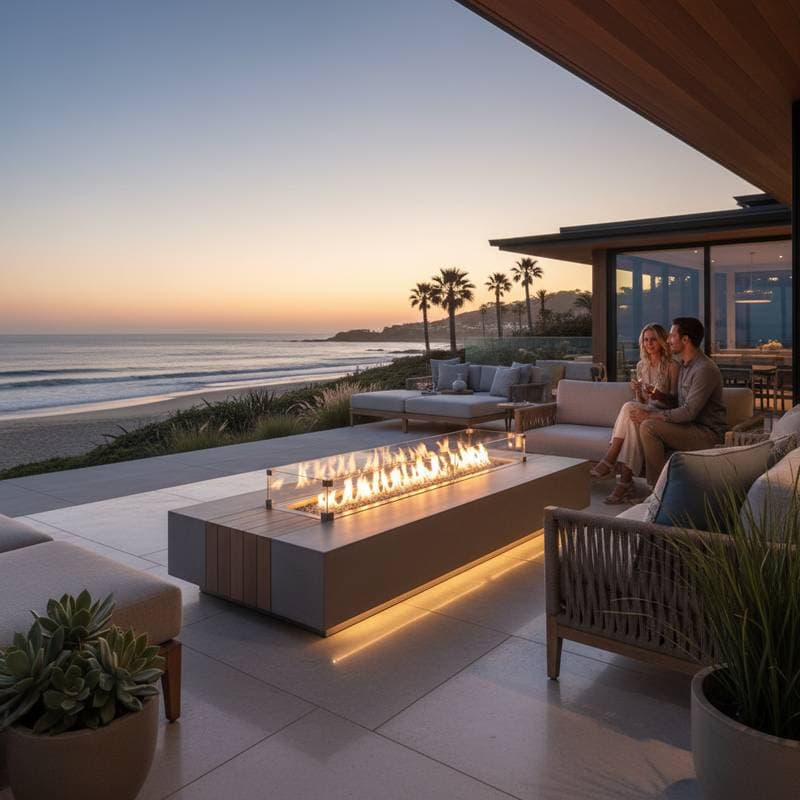
Bioethanol Fire Pits: Eco-Friendly Upgrade for 2025 Coastal Patios
Coastal homeowners seek heating solutions that enhance ocean views while prioritizing sustainability and clean operation. Bioethanol fire pits emerge as an ideal option, delivering smokeless flames, contemporary aesthetics, and environmental benefits. These features make them suitable for patios exposed to salty air and humidity. To make an informed decision, explore the associated costs, installation methods, and performance characteristics.
Average Cost of Bioethanol Fire Pits
Bioethanol fire pits typically cost between $400 and $4,500, influenced by dimensions, style, and setup requirements. Portable tabletop versions fall at the lower spectrum, whereas custom-built stone enclosures command premium prices. A mid-range configuration, encompassing the burner, enclosure, and basic decorative elements like glass beads or ceramic logs, averages $1,800 nationwide.
Variations arise from material selections and whether the unit functions as a standalone piece or an embedded patio element.
| Type of Bioethanol Fire Pit | Typical Cost Range | Description |
|---|---|---|
| Tabletop or Portable Unit | $400 - $900 | Compact designs for small spaces like balconies or intimate gatherings |
| Freestanding Floor Model | $900 - $2,200 | Versatile options for expansive decks with sleek, modern profiles |
| Built-in or Recessed Installation | $2,200 - $4,500 | Tailored integrations into stonework or fire tables for seamless landscapes |
Cost Breakdown by Project Scale
Projects divide into three scales to aid budgeting:
- Small-Scale (Portable Configuration): $400 to $900. This suits temporary setups for renters or those desiring mobility without structural changes.
- Mid-Scale (Freestanding Installation): $1,200 to $2,500. These incorporate robust burners and refined surfaces for enhanced functionality.
- Large-Scale (Custom Build): $3,000 to $4,500, potentially higher when paired with adjacent features like benches or illumination.
In coastal environments, factors such as elevated moisture and salt corrosion necessitate specialized materials, elevating expenses beyond inland equivalents by 10 to 20 percent.
Cost by Material and Design Choices
Selecting durable materials ensures longevity and visual harmony in salty conditions. Focus on options that resist rust and weathering.
| Material | Price Range per Fire Pit | Durability | Maintenance | Aesthetic Appeal |
|---|---|---|---|---|
| Stainless Steel | $1,000 - $3,000 | Superior resistance to corrosion | Minimal | Polished, contemporary look |
| Concrete or Stone Composite | $1,500 - $4,500 | Robust against elements | Moderate | Organic textures blending with natural surroundings |
| Powder-Coated Aluminum | $800 - $2,000 | Solid protection from marine air | Low | Clean lines for modern outdoor areas |
| Glass-Enclosed Units | $900 - $2,500 | Adequate shielding from wind | Low | Subtle, protected flames for minimalist designs |
Stone composites excel in fixed installations, evoking beachside permanence, while stainless steel suits elevated or rooftop settings.
Labor Expenses for Installation
Installation labor spans $300 to $1,200, scaled to project intricacy. Simple assembly for portable units demands little effort, whereas recessed models require precise masonry work, moisture barriers, and enclosure ventilation.
Expect rates such as:
- $50 to $100 hourly for basic positioning and setup.
- $75 to $150 hourly for structural alterations involving stone or wood.
- $100 to $200 flat for final sealing against weather intrusion.
Labor constitutes 15 to 25 percent of overall expenses. Verify that installers hold licenses and insurance, particularly when proximity to supports or utilities exists.
Key Factors Affecting Total Expenses
Budget for these determinants to refine estimates:
- Burner dimensions and fuel reservoir capacity, which dictate heat output.
- Material resilience tailored to coastal demands, like UV and salt protection.
- Design intricacies, including embedded benches or patterned surrounds.
- Site-specific challenges, such as reinforced sealing for humid exposures.
- Regulatory fees for permits or inspections on fixed structures.
- Delivery charges for overseas or bespoke imports.
- Add-ons like wind guards, protective lids, or remote-start mechanisms.
Anticipating these elements minimizes surprises and aligns the feature with desired style and sustainability.
Strategies to Reduce Costs on Bioethanol Fire Pits
Achieve savings through targeted decisions that preserve quality:
- Select portable units to bypass installation fees entirely.
- Purchase during seasonal clearances for outdoor products.
- Choose manual lighting over electronic starters, cutting $300 to $600.
- Favor practical finishes like coated metals over luxury stones.
- Handle assembly personally for non-complex, freestanding pieces.
- Employ durable, interchangeable fillers rather than bespoke decorative pieces.
- Apply covers to shield from coastal elements, deferring upkeep expenses.
These steps optimize value, sustaining the elegant, low-emission allure of bioethanol flames.
DIY Installation Versus Professional Services: Weighing Options
Bioethanol systems attract self-installers due to their vent-free, line-free nature. However, suitability varies by complexity.
| Task | DIY Suitability | Professional Recommendation | Rationale |
|---|---|---|---|
| Portable Unit Assembly | High | Rarely | Basic tools suffice for quick setup |
| Recessed Burner Placement | Moderate | Essential | Precision cutting and waterproofing demand expertise |
| Surrounding Stone or Tile Work | Moderate | Advised | Professional touches elevate finish quality |
| Lighting or Wall Integration | Low | Required | Involves structural and wiring knowledge |
Self-guided efforts save $300 to $1,200 in fees but confine to straightforward tasks. Expert involvement guarantees code compliance and resilience for enduring installations. Assess personal skills and safety priorities accordingly.
Pitfalls to Sidestep in Bioethanol Projects
Steer clear of these errors to promote safety and efficiency:
- Employing alternative fuels, which generate unwanted residue or smells.
- Overlooking airflow requirements despite clean combustion.
- Exceeding fuel limits in reservoirs, risking uncontrolled burns.
- Forgoing protective coatings, accelerating wear in marine settings.
- Improperly storing ethanol, which demands cool, secure locations distant from sparks.
Thorough planning secures reliable, attractive performance across years.
Frequently Asked Questions on Bioethanol Fire Pits
Do bioethanol fire pits emit smoke or odors?
Bioethanol combustion yields no smoke, residue, or debris. Outputs consist solely of warmth, steam, and minimal carbon dioxide, rendering them appropriate for open or partially covered spaces.
How long does fuel last in a bioethanol fire pit?
Burners operate 3 to 5 hours per liter, varying with flame intensity and breeze. Compact models prove more economical, while expansive ones deplete reserves quicker.
What is the ongoing cost of bioethanol fuel?
Fuel prices range from $6 to $10 per liter. For periodic use, anticipate $20 to $40 monthly, adjusted for usage patterns and unit scale.
Are permits necessary for bioethanol fire pit installations?
Freestanding or mobile units typically evade permitting. Embedded designs may require municipal approval if altering fixed elements or adding electrics. Consult local authorities for verification.
Can bioethanol fire pits warm extensive outdoor zones?
These provide targeted heat and visual interest within close proximity. For broader coverage during events, consider supplementing with larger fuel sources like propane units.
Are bioethanol fire pits suitable for coastal conditions?
Affirmative. With corrosion-proof builds, they thrive in salty atmospheres. Routine care and enclosures prolong service life effectively.
What upkeep do bioethanol fire pits demand?
Keep routines light: Clean surfaces gently, inspect gaskets regularly, and secure fuel storage. Refresh decorative elements as needed to preserve shine.
Create Lasting Coastal Ambiance
Integrating a bioethanol fire pit elevates patios into inviting retreats, blending eco-conscious warmth with enduring style. By selecting resilient materials and following best practices, homeowners craft spaces that withstand coastal rigors while fostering memorable gatherings. This upgrade not only enhances comfort but also aligns with sustainable living trends for 2025 and beyond.