
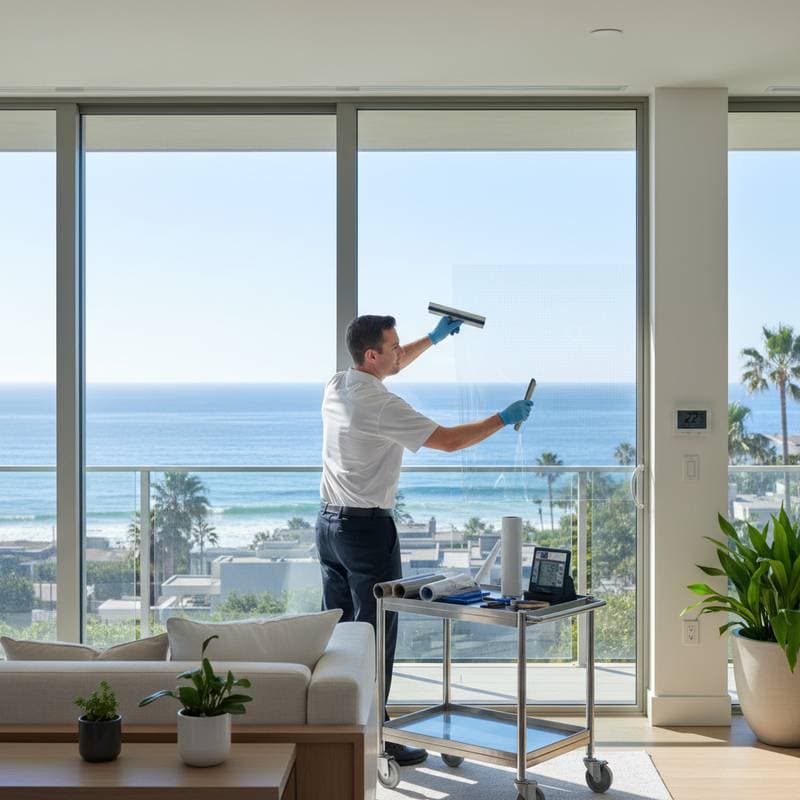
Beachside Window Film Reduces Cooling Costs by 35 Percent
Coastal living offers ocean breezes, breathtaking vistas, and plentiful sunlight. However, intense sunlight often turns homes into hotboxes, compelling air conditioning units to operate excessively. This leads to elevated energy expenses and added wear on cooling systems. Window film provides an efficient, budget-friendly remedy that maintains visibility while controlling heat. In areas like San Diego, residents experience reductions in air conditioning expenses of up to 35 percent.
This overview details the mechanisms behind these benefits, installation pricing, available options, and selection criteria for coastal residences.
Average Cost of Window Film Installation
Installation costs for window film in seaside homes typically fall between 4 and 12 dollars per square foot. For a standard residence, the overall project expense ranges from 500 to 1,500 dollars. Specialized films resistant to ultraviolet rays and salt exposure may reach 20 dollars per square foot, yet they provide superior longevity and thermal efficiency.
| Project Type | Cost per Square Foot | Typical Total Cost | Energy Savings Potential |
|---|---|---|---|
| Standard Solar Control Film | 4 to 7 dollars | 400 to 900 dollars | 20 to 25 percent |
| Dual Reflective Film | 7 to 10 dollars | 700 to 1,200 dollars | 25 to 35 percent |
| Ceramic or Spectrally Selective Film | 10 to 20 dollars | 1,000 to 2,000 dollars | 30 to 40 percent |
These estimates encompass materials and expert application. Do-it-yourself kits start at 1 to 3 dollars per square foot, though they frequently compromise on accuracy and endurance compared to professional results.
Cost Breakdown by Material Type
Various film compositions deliver unique benefits. Selection hinges on priorities like glare mitigation, privacy enhancement, or optimal energy conservation.
| Film Type | Cost per Square Foot | Heat Reduction | UV Blocking | Durability in Coastal Climate |
|---|---|---|---|---|
| Dyed Film | 2 to 4 dollars | Moderate | 70 to 80 percent | Fair |
| Metallized Film | 4 to 8 dollars | High | 80 to 90 percent | Good |
| Ceramic Film | 8 to 15 dollars | Very High | 99 percent | Excellent |
| Spectrally Selective Film | 12 to 20 dollars | Maximum | 99 percent | Excellent |
Ceramic and spectrally selective varieties suit beachfront properties best. They withstand salt-induced corrosion and preserve glass transparency. These options reject infrared radiation without dimming interiors, balancing illumination and temperature control.
Labor Costs and Installation Time
Experts charge 2 to 4 dollars per square foot for labor, influenced by window dimensions, access difficulty, and film complexity. Most single-family homes finish in one day. Larger or elevated structures may require two days. Precise execution involves thorough cleaning, precise trimming, and bubble-free application to ensure lasting performance.
Factors That Influence Total Cost
Multiple elements shape the final price of window film projects:
- Window dimensions and number: Expansive panes or glass facades elevate material and effort requirements.
- Film grade and features: Superior heat and ultraviolet rejection commands higher initial investment but accelerates payback.
- Access challenges: Upper-level or obstructed windows necessitate additional tools and time.
- Seaside conditions: Salt and humidity necessitate robust films with specialized adhesives.
- Sunlight exposure patterns: Prolonged direct rays favor premium selections for maximum gains.
- Regulatory considerations: Certain neighborhoods enforce rules on exterior reflectivity.
How Window Film Reduces AC Costs
Window film repels and captures infrared radiation prior to glass entry. In sun-drenched coastal zones, bare windows permit 75 percent of solar warmth indoors. Films can intercept up to 80 percent of this influx, cooling spaces effectively. Air conditioners then run less often, cutting energy use by 25 to 35 percent.
Such improvements trim utility statements and prolong heating, ventilation, and air conditioning system durability. Homeowners often recoup expenses within several seasons via accumulated savings.
Strategies to Save on Window Film Installation
Optimize expenditures with these practical approaches:
- Prioritize south- and west-oriented windows, which endure peak solar intensity and yield quickest returns.
- Solicit bids from several contractors, insisting on itemized quotes covering supplies, workmanship, and guarantees.
- Investigate rebate programs from utilities for energy-saving modifications.
- Preserve film integrity using ammonia-free cleaners and gentle fabrics to avert damage and extend service life.
- Integrate with complementary measures like seals or thermal drapes for amplified cooling efficiency.
DIY Versus Professional Installation
DIY Installation
Affordable kits work well for minor tasks or isolated panes. Professional-grade results demand specialized equipment and skill, however. Imperfections such as air pockets or debris diminish aesthetics and efficacy. Moreover, self-applied products seldom include extended coverage.
Professional Installation
Certified applicators guarantee seamless fitting, secure edging, and resilience. They deploy industrial-strength materials with enhanced bonding and clarity. Services extend to warranty activation, typically spanning 5 to 15 years against defects like fading or detachment. In expansive or marine settings, expert involvement proves essential.
Common Mistakes to Avoid
- Selecting incompatible films for local weather or glass types: Opt for ultraviolet- and corrosion-resistant options in seaside locales.
- Overlooking prep work: Minute contaminants cause adhesion failures and visual flaws.
- Installing over flawed surfaces: Existing fractures expand with thermal stress.
- Disregarding policy fine print: Coverage may exclude treated or coated windows.
- Overlooking reflectivity issues: Excessive shine might breach community standards or impair sightlines.
Frequently Asked Questions About Window Film
How Long Does Window Film Last in Coastal Climates?
High-quality films endure 10 to 20 years in salty, humid environments when professionally installed. Ceramic and spectrally selective types resist degradation best, maintaining performance against fading, bubbling, or adhesive failure. Regular maintenance extends lifespan further.
Does Window Film Affect Window Warranties?
Most films preserve original glass guarantees if applied correctly. Consult manufacturers beforehand, as some low-emissivity coatings react poorly. Professionals assess compatibility to avoid voids.
Can Window Film Improve Home Security?
Certain films incorporate shatter-resistant layers, deterring break-ins by holding glass fragments. Dual-purpose options combine energy control with security, ideal for ground-level coastal exposures.
Is Window Film Removable?
Yes, reputable films remove cleanly without residue using heat tools and solvents. This facilitates updates or relocations, though professional removal costs 1 to 2 dollars per square foot.
Maximizing Coastal Comfort with Window Film
Window film transforms beachside living by curbing heat gain and utility demands without obscuring views. Select durable types suited to San Diego's conditions for enduring results. Combine with routine upkeep and targeted application to sustain savings and serenity year-round.