
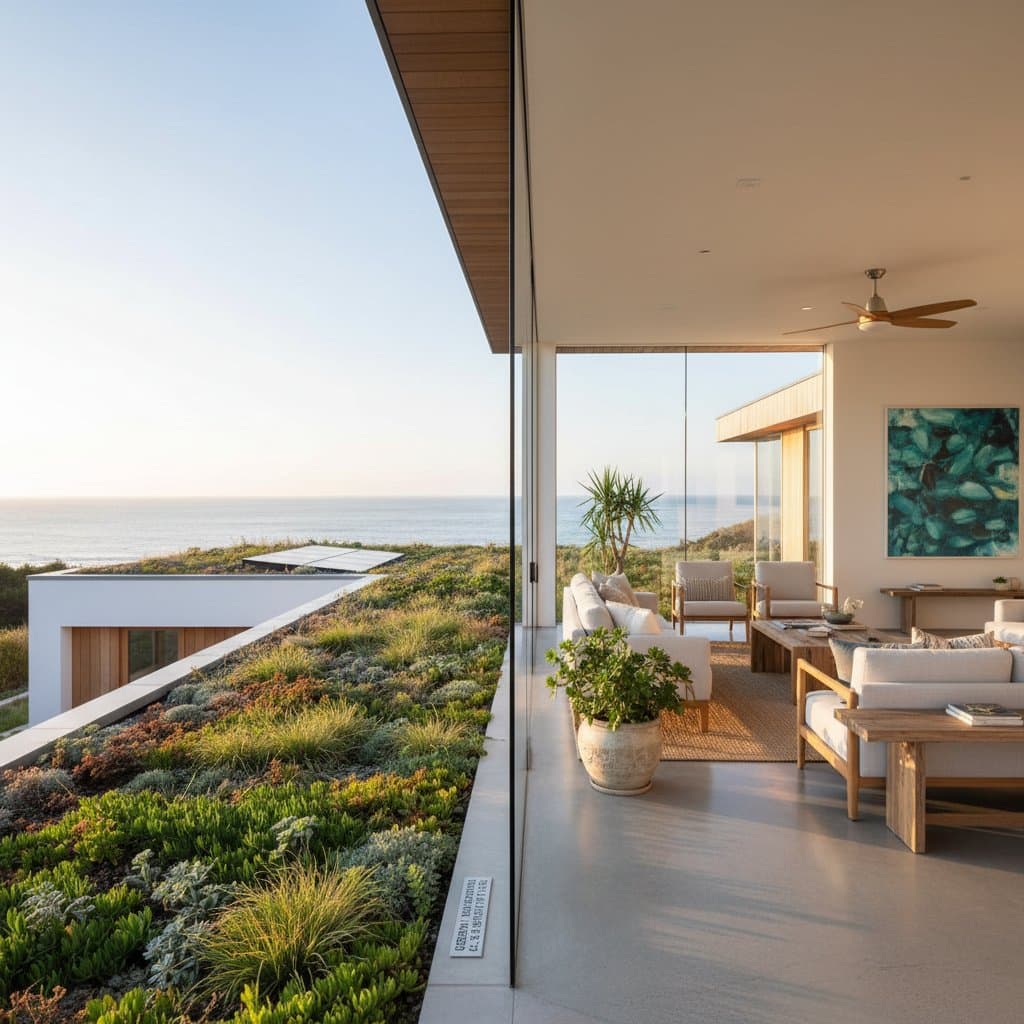
Beach Homes Save 35% on AC with Living Roof Upgrades
Coastal homeowners discover a reliable method to lower cooling expenses while improving property aesthetics and market value. Living roofs, or green roofs, decrease air conditioning demands by as much as 35% in beach environments. In areas with intense sunlight and salt-laden air, this modification provides substantial financial and ecological benefits that surpass many conventional upgrades.
For individuals evaluating energy-efficient modifications to beach properties, a clear grasp of living roof mechanics, expenses, and impacts on indoor comfort and utility payments supports informed choices.
How Living Roofs Reduce Cooling Costs by 35%
A living roof functions as a natural insulator, minimizing heat gain through layers of soil and plants. In coastal settings with abundant sun and balanced humidity, this approach excels in performance.
The mechanism involves these key elements:
- Thermal Insulation: Layers of soil and plants impede heat movement, maintaining cooler interiors by day and retaining warmth overnight.
- Evapotranspiration Process: Plants emit vapor, which cools the immediate atmosphere and lessens reliance on mechanical cooling.
- Light Reflection: Foliage bounces back solar rays, in contrast to conventional roofs that retain heat from materials like asphalt or tiles.
- Lower Surface Heat: Green roofs maintain temperatures 30 to 40 degrees Fahrenheit below those of standard roofs during peak sunlight.
Studies and installations confirm these effects yield up to 35% less air conditioning operation. For a typical beach residence, this equates to annual savings of several hundred dollars on energy bills.
Labor Costs and Installation Timeline
Labor constitutes 40% to 50% of overall expenses in most projects. Contractors certified in green roofing charge between $55 and $75 hourly, with rates varying by design intricacy and roof access.
Standard installation steps encompass:
- Inspection and reinforcement of the roof structure as required.
- Application of a waterproof membrane.
- Positioning of drainage systems and root barriers.
- Placement of soil and growing medium.
- Planting of vegetation and configuration of irrigation.
Professionals complete work on a medium-sized residence in two to three weeks, covering preparation through initial establishment.
Strategies to Lower Living Roof Expenses
Homeowners implement targeted approaches to decrease outlays while preserving system integrity.
- Select Native Vegetation: Plants adapted to coastal ecosystems reduce irrigation requirements and associated costs.
- Choose Extensive Designs: Shallow soil depths minimize weight and upkeep demands.
- Coordinate with Roof Replacement: Combine efforts to consolidate waterproofing and labor expenditures.
- Employ Modular Systems: Pre-assembled trays streamline assembly and future repairs.
- Pursue Local Incentives: Programs offering rebates for sustainable constructions offset initial investments.
- Perform Routine Upkeep Personally: After establishment, manage tasks like pruning and clearing debris to avoid service fees.
Such measures typically trim total costs by 10% to 20%, without compromising efficiency.
Pitfalls to Sidestep in Living Roof Projects
Steering clear of frequent errors prevents expensive fixes and ensures longevity.
- Overlooking Load Capacity: Verify structural adequacy to bear additional weight before proceeding.
- Omitting Waterproofing: Essential barriers prevent leaks that lead to extensive interior harm.
- Selecting Inappropriate Flora: Non-local species succumb rapidly to saline conditions and demand excessive care.
- Insufficient Drainage Planning: Poor systems allow water pooling, accelerating deterioration and fostering mold.
- Disregarding Upkeep Schedules: Annual reviews sustain peak functionality and avert decline.
With proper attention, living roofs demand minimal intervention yet require periodic oversight for sustained effectiveness.
Frequently Asked Questions About Living Roofs
Do Permits Apply to Living Roof Installations?
Most local authorities mandate building permits due to alterations in structure and water management. Consult the municipal department early to comply with regulations.
What Is the Lifespan of a Living Roof?
Well-constructed units endure 30 to 50 years, frequently exceeding traditional materials. Success hinges on regular maintenance and robust waterproofing.
Which Plants Suit Coastal Residences?
Succulents, sedum types, indigenous grasses, and resilient ground covers excel. These options tolerate salt and demand little hydration.
Does a Living Roof Enhance Property Value?
Appraisers value sustainable elements like green roofs, potentially raising worth by 5% to 10%. Demand grows in environmentally aware regions.
What Maintenance Demands Arise?
Extensive setups require two to three annual checks for weeds, irrigation, and debris. Intensive variants involve garden-level attention.
Can Living Roofs Withstand Coastal Winds?
Proper anchoring and low-profile plants enable resilience against gales and storms. The root network secures soil and bolsters stability.
Maximizing Benefits from Your Living Roof
Integrate a living roof to achieve lasting savings and comfort in coastal living. This investment not only curbs energy use but also fosters a harmonious connection with the surrounding environment. Schedule a consultation with certified experts to tailor the system to your property's unique needs.