
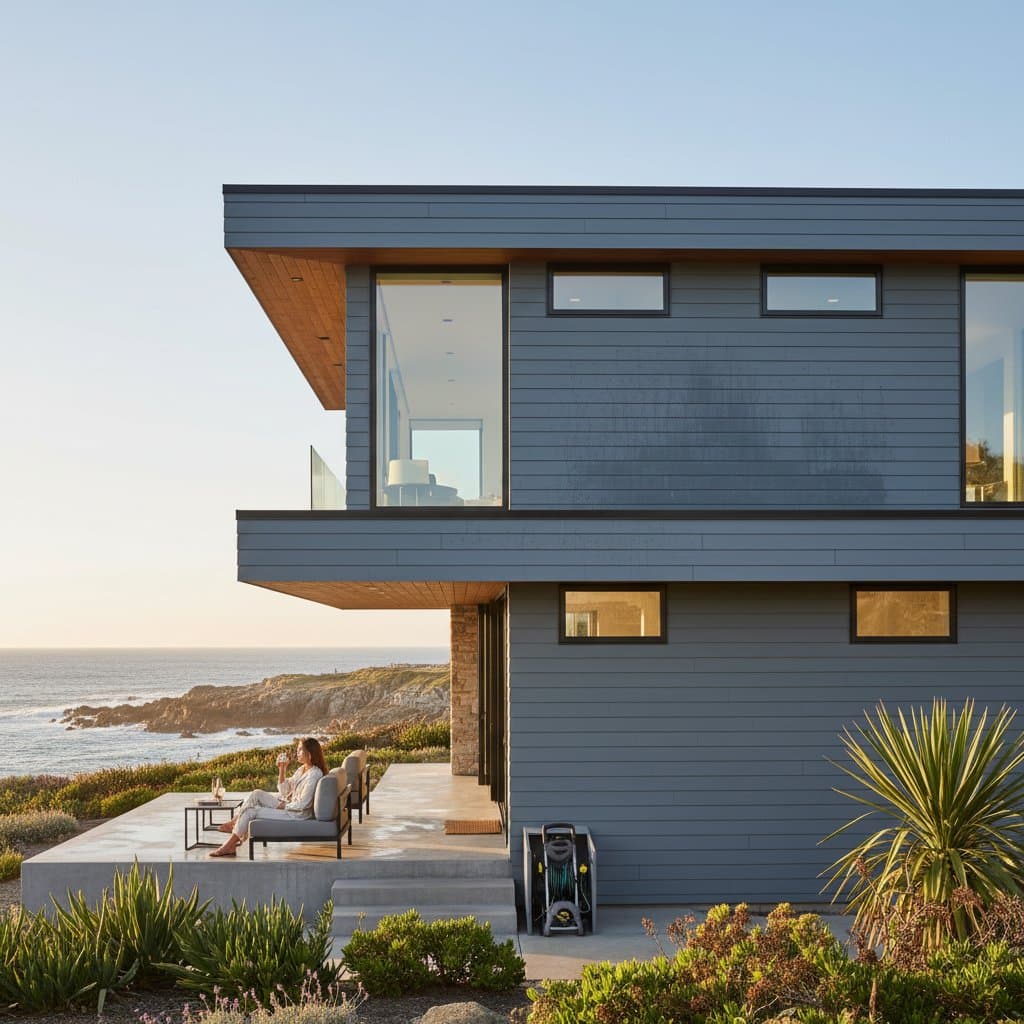
Algae-Resistant Siding Reduces Coastal Maintenance by 60%
Homeowners in coastal areas face persistent challenges from salty air and high humidity. These conditions promote the growth of algae, mildew, and grime on exterior siding, often transforming a pristine facade into a discolored surface. Algae-resistant siding addresses these issues effectively, reducing the need for exterior maintenance by up to 60 percent.
This siding option provides a durable barrier against environmental stressors. The following sections explain its features, mechanisms, material options, and care requirements to help readers select and maintain an ideal solution for their properties.
Key Benefits
- Reduces exterior maintenance requirements by up to 60 percent
- Suited to humid coastal climates susceptible to algae and mildew
- Offered in vinyl, fiber cement, engineered wood, and composite varieties
- Incorporates protective coatings to prevent algal growth
- Prolongs siding durability and maintains aesthetic appeal
- Lowers time, water, and cleaning expenditures
Mechanisms of Algae-Resistant Siding
Algae-resistant siding relies on advanced chemical and physical properties to deter growth. Manufacturers integrate specific elements into the material during production.
- Embedded biocides within the surface coating suppress algal reproduction by disrupting cellular processes.
- Non-porous, smooth finishes prevent spores from adhering securely to the surface.
- UV-stable polymers withstand exposure to sunlight and salt-laden air without breaking down.
- Moisture-wicking components facilitate rapid drying, denying algae the prolonged dampness it requires for proliferation.
These features ensure the siding remains cleaner for extended periods. Homeowners typically need only periodic rinsing with a garden hose rather than frequent deep cleaning.
Material Comparison for Optimal Performance
Various siding materials can incorporate algae-resistant treatments, each with distinct advantages. The table below outlines key attributes to guide selection based on climate, budget, and aesthetic preferences.
| Siding Type | Algae Resistance | Maintenance Level | Cost Range per sq. ft. | Lifespan |
|---|---|---|---|---|
| Vinyl | Excellent with coating | Very low | $4 - $8 | 25 - 40 years |
| Fiber Cement | Strong inherent resistance | Low | $6 - $12 | 30 - 50 years |
| Engineered Wood | Moderate with treatment | Moderate | $7 - $10 | 20 - 30 years |
| Composite | Excellent | Very low | $8 - $14 | 35 - 50 years |
Photo: Side-by-side view of fiber cement and vinyl siding panels, each enhanced with algae-resistant treatments.
Fiber cement stands out for its natural durability in wet conditions, while vinyl offers affordability and ease of installation. Composites provide a balance of strength and low upkeep, making them suitable for severe coastal exposure.
Environmental Advantages of Durable Coastal Siding
Choosing low-maintenance siding extends beyond personal convenience to broader ecological impacts. Fewer cleaning sessions translate to reduced use of chemical detergents, lower energy consumption from cleaning equipment, and decreased water usage.
Long-lasting materials minimize the frequency of replacements, thereby cutting down on manufacturing demands and landfill contributions. Many producers now formulate protective coatings without heavy metals or volatile organic compounds, ensuring compatibility with sensitive coastal habitats and indoor air quality.
Advantages and Drawbacks of Algae-Resistant Siding
Algae-resistant siding delivers substantial benefits, though it includes some considerations.
| Advantages | Drawbacks |
|---|---|
| Decreases maintenance by up to 60 percent | Higher upfront investment |
| Guards against mold, mildew, and salt corrosion | Best installed by professionals |
| Sustains year-round visual appeal | Style options may vary by region |
| Prolongs material life and color fidelity | Cleaning requires compatible, gentle products |
The elevated initial expense offsets through savings in labor, supplies, and replacements over time. For coastal properties, these factors often justify the choice.
Maintenance Strategies for Lasting Performance
Algae-resistant siding demands minimal intervention, yet proactive steps enhance its longevity.
- Rinse surfaces periodically with a garden hose to remove accumulated salt deposits.
- Conduct annual inspections to identify and repair any cracks or damage that could trap moisture.
- Steer clear of abrasive tools or cleaners that risk compromising the protective finish.
- Maintain clearance around siding by trimming overhanging vegetation to promote air circulation and sunlight exposure.
- Consider recoating the surface after 15 to 20 years, depending on the manufacturer's guidelines, to refresh protection.
Implementing these practices preserves the siding's appearance and functionality without intensive effort.
Realizing the Value of Effortless Coastal Home Care
Algae-resistant siding enables homeowners to focus on leisure rather than laborious upkeep. Properties retain their fresh, inviting look through seasonal changes, enhancing property value and daily enjoyment. This solution aligns practical durability with the demands of seaside living.