
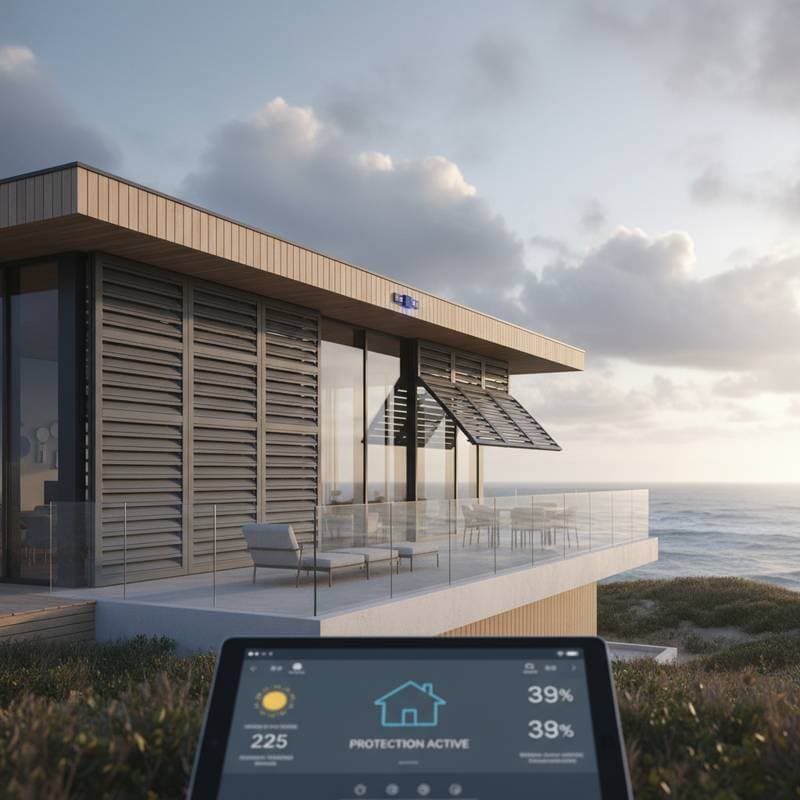
AI Shutters: Revolutionizing Coastal Storm Defense
Coastal homeowners confront a persistent challenge: safeguarding property against powerful storms. Traditional storm shutters provide basic mechanical protection, yet they depend solely on manual operation. AI shutters alter this landscape. These intelligent systems integrate automation, weather data, and structural engineering to offer real-time storm protection that activates more swiftly and precisely than manual alternatives.
Residents in hurricane-prone, tropical storm-vulnerable, or high-wind coastal areas benefit significantly from AI shutters. Such systems distinguish between extensive damage and sustained security. This guide details their functionality, pricing, and selection process to help protect coastal properties effectively.
Average Cost of AI Shutters
The average cost of AI storm shutters spans $45 to $70 per square foot. This figure encompasses materials, technology integration, and labor. For a standard coastal home requiring 200 square feet of window coverage, total installation expenses range from $9,000 to $14,000. Traditional aluminum roll-down shutters, by contrast, cost $25 to $40 per square foot, though they omit automation and smart monitoring features.
AI shutters justify their premium through multifaceted benefits. They merge storm defense with home automation and energy efficiency, potentially recouping initial expenses via long-term savings.
Cost by Home Size and Scope
| Home Size or Scope | Estimated Total Cost | Typical Features |
|---|---|---|
| Small coastal cottage (under 150 sq ft window area) | $6,000 - $9,000 | Basic automation, app control |
| Mid-size home (150-300 sq ft window area) | $9,000 - $18,000 | Integrated sensors, AI weather tracking |
| Large home or full façade system (300+ sq ft) | $18,000 - $30,000+ | Full smart-home integration, energy monitoring |
Cost by Material
Material choice influences both expense and effectiveness. AI shutter systems incorporate advanced materials compatible with automation and reinforcement needs.
| Material Type | Cost per Square Foot | Durability | Maintenance | Aesthetic Appeal |
|---|---|---|---|---|
| Aluminum Composite | $45 - $60 | High | Low | Modern, sleek |
| Reinforced Polycarbonate | $55 - $70 | Very High | Low | Clear, allows light through |
| Steel Core Panels | $60 - $75 | Superior | Moderate | Industrial look |
| Smart Fabric Hybrid | $40 - $55 | Moderate | Low | Lightweight, flexible |
Reinforced polycarbonate ranks as the preferred choice for its transparency and resilience. It permits natural light entry while resisting debris impacts. Steel core panels deliver peak protection, although their weight demands more upkeep.
Labor and Installation Costs
Labor constitutes 30 to 40 percent of the overall project expense. Installation entails wiring, sensor positioning, and connection to the home automation center. Hourly labor rates for AI shutter setups fall between $60 and $100, varying by system intricacy and location.
Skilled installers verify seamless communication among shutters and the AI framework. They also configure power backups essential for storm-induced outages.
Factors That Influence Total Cost
Multiple elements adjust the final investment:
- Home size and window quantity
- Material selection and finish variations
- Compatibility with current smart-home setups
- Wi-Fi and power backup specifications
- Local permitting and inspection charges
- Coastal exposure and wind zone ratings
Properties oceanfront often require robust hardware and anchors, increasing costs by 10 to 20 percent.
How AI Shutters Work
AI shutters employ weather forecasting algorithms, motion detectors, and live environmental inputs to determine deployment timing and method. Upon detecting wind speeds surpassing safety limits or abrupt barometric pressure declines, the system deploys and secures the shutters automatically. As the storm subsides, it retracts them to reinstate light and airflow.
This process draws from sources like National Weather Service feeds and local sensors. The AI analyzes patterns to predict threats hours ahead, enabling proactive measures such as partial closure for moderate winds.
Strategies to Reduce AI Shutter Expenses
- Schedule installation amid a comprehensive renovation. This minimizes redundant labor by aligning with other exterior modifications.
- Select hybrid materials. Combinations of aluminum and polycarbonate optimize cost, durability, and reduced weight.
- Partner with regional manufacturers. Proximity cuts shipping fees and simplifies ongoing service.
- Leverage existing automation infrastructure. Pre-installed smart-home systems lower additional hardware needs.
- Inquire about energy incentives. Certain AI shutters qualify for rebates tied to efficiency or resilience programs.
DIY Installation Versus Professional Service
Benefits of DIY Approach
- Reduced initial labor expenditures
- Personalized control over design elements
Advantages of Professional Installation
- Comprehensive warranty coverage
- Precise sensor alignment and calibration
- Adherence to regional coastal codes
- Thorough pre-activation testing
Professionals handle complexities like electrical integration, ensuring reliability during emergencies.
Pitfalls to Sidestep in AI Shutter Projects
- Overlooking permit mandates. Coastal regulations frequently demand approvals for storm safeguards.
- Mismatching materials to exposure levels. Inland variants may falter under coastal gusts.
- Overlooking auxiliary power sources. Absent battery or generator ties, functionality halts in blackouts.
- Disregarding firmware maintenance. Regular updates sustain predictive accuracy.
Frequently Asked Questions About AI Shutters
Do Permits Apply to AI Shutter Installations?
Coastal authorities typically mandate permits for structural protections. Installers assist with documentation, yet verifying local rules averts delays and fines.
What Is the Installation Timeline?
Projects for mid-size homes span two to five days. Factors include wiring demands and shutter volume.
Can AI Shutters Link to Current Smart-Home Platforms?
Affirmative. Leading models sync with prominent ecosystems, supporting voice or app-based operation.
What Maintenance Do AI Shutters Demand?
Requirements remain low. Yearly cleaning, battery inspections, and software refreshes maintain peak performance.
How Do AI Shutters Function Without Power?
Built-in manual controls and reserve power units sustain operations amid grid failures.
Do AI Shutters Enhance Property Value?
Indeed. Advanced protections elevate resale appeal by 3 to 5 percent in vulnerable coastal markets.
Steps to Secure Your Coastal Home with AI Shutters
AI shutters advance coastal resilience through integrated protection and automation. They respond autonomously to threats, blending security with everyday convenience. Homeowners gain not only defense but also tranquility amid volatile weather patterns. Begin by assessing your property needs and consulting certified providers to implement this technology effectively.