
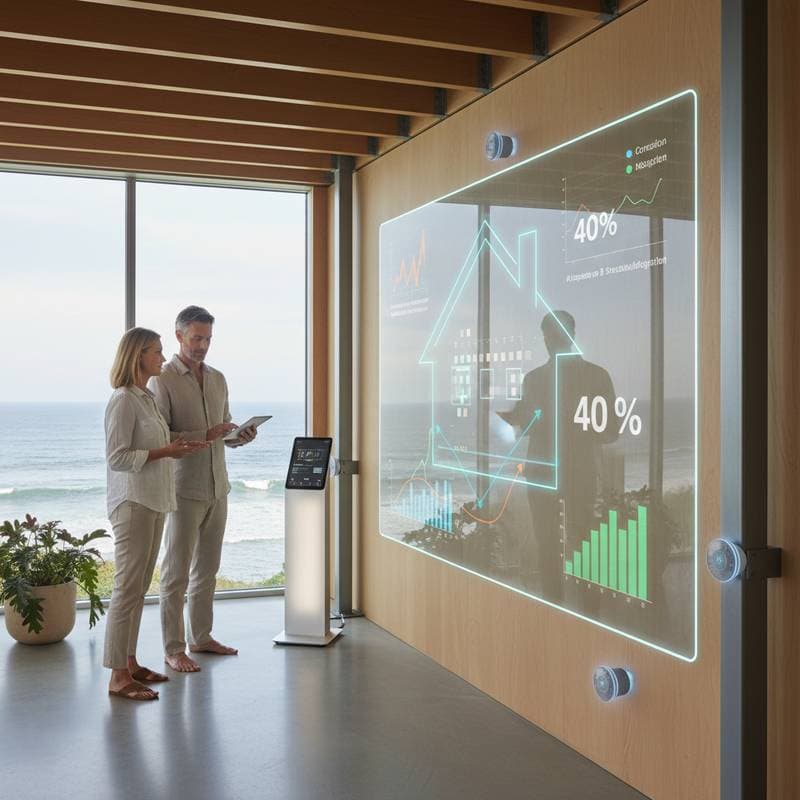
AI Sensors Transforming Coastal Home Remodels
Picture starting your day in a coastal residence where an intelligent system has optimized humidity levels, secured windows against moisture, and notified you of increasing corrosion from ocean air. This scenario represents current technology, not distant fantasy. AI-driven sensors now influence the design, renovation, and upkeep of properties near the shore. These devices deliver immediate data on air quality, moisture levels, and structural conditions, enabling informed decisions for renovations and defense against saline air and variable weather patterns.
This article examines the role of AI sensors in coastal renovations, highlights the most effective sensor varieties, and explains their potential to decrease ongoing maintenance expenses. Numerous systems integrate effortlessly with established smart home ecosystems, allowing remote oversight of your residence. For intricate enhancements, consult qualified professionals experienced in coastal smart home projects.
Article Overview
- Cost Considerations
- Sensor Types and Features
- DIY Versus Professional Installation
- Cost-Saving Strategies
- Frequently Asked Questions
Cost Considerations
AI sensor systems designed for coastal environments generally range from $2,500 to $12,000, based on the project's scope and capabilities. For a typical mid-sized renovation incorporating sensors for climate, moisture, and air quality, expect an average expenditure of $6,800.
Breakdown of expenses includes the following components:
- Sensors and hardware: $1,000 to $5,000, covering monitors for temperature, humidity, air quality, and corrosion.
- Installation and system integration: $800 to $4,000, influenced by wiring requirements and overall complexity.
- Software and AI analytics: $300 to $1,200, encompassing cloud-based platforms for machine learning and forecasting.
- Annual maintenance and calibration: $150 to $500, ensuring sustained performance.
Factors that significantly affect costs encompass the property's size, distance from the ocean, and desired level of automation versus simple notifications. Residences nearer to areas with intense saltwater exposure typically demand enhanced protective measures and premium sensor materials to withstand harsh conditions.
Sensor Types and Features
Climate and Humidity Sensors
These units gauge both interior and exterior humidity, forecasting mold development prior to any noticeable signs. They prove ideal for properties featuring wood siding or uncovered structural elements. By mitigating moisture-induced expansion and fractures, such sensors preserve material integrity over time. For instance, integrating them with dehumidifiers allows automatic adjustments to maintain optimal levels below 60 percent relative humidity.
Corrosion and Air Quality Sensors
Positioned in locations such as garages, attics, or adjacent to metallic components, these sensors identify salt buildup and suspended particles. They suit installations involving metal roofs, stainless steel railings, and coastal heating, ventilation, and air conditioning units. Upon detecting elevated corrosion risks, they issue timely warnings, facilitating proactive interventions like applying anti-corrosive coatings. This early detection can prevent up to 40 percent of potential repair expenses associated with salt degradation.
Image credit: Irina88w / Getty Images
Structural and Vibration Sensors
Compact in design, these sensors monitor foundation movements or wall tensions resulting from storms or soil erosion. They benefit older coastal structures during extensive renovations. As data accumulates, the system generates profiles that anticipate the necessity for reinforcements, such as bolstering seawalls or injecting stabilizing compounds into foundations. Regular analysis helps homeowners schedule targeted repairs, extending the lifespan of vulnerable areas by several years.
Water Intrusion Sensors
These devices identify leaks in subterranean spaces or crawl areas before water accumulation becomes evident. They work well for homes with lower-level sections or walls oriented toward the sea. Often linked to sump pumps or automated valves, they enable rapid mitigation. For example, upon sensing moisture, the system can activate drainage protocols, averting flood damage that might otherwise cost thousands in restoration.
Image credit: Ake1150sb / Getty Images
DIY Versus Professional Installation
Basic setups, including humidity or air quality monitors, lend themselves to do-it-yourself efforts, with costs under $500 and completion in a matter of hours. Such installations utilize Wi-Fi or Bluetooth connections, delivering instant app-based results without specialized tools.
Comprehensive networks merging various sensors with automated controls necessitate expert involvement. Certified installers handle cabling, configure communication protocols, and link inputs to a unified dashboard. Professional services ensure compliance with local building codes, particularly in corrosive coastal zones, and often include warranties for long-term reliability.
Cost-Saving Strategies
- Prioritize vulnerable areas. Begin with critical zones such as basements, eaves, or seaward elevations to maximize impact before broader implementation.
- Combine compatible systems. Pairing elements like heating, ventilation, air conditioning controls, leak detectors, and quality monitors reduces individual setup fees through shared infrastructure.
- Opt for solar-powered options. These units minimize electricity consumption and eliminate extensive wiring, proving advantageous for exterior placements exposed to sunlight.
- Seek available incentives. Certain local energy initiatives provide rebates for intelligent upgrades that promote efficiency and resource conservation.
- Plan routine calibrations. Periodic professional reviews maintain precision and prolong equipment durability, avoiding premature replacements.
Frequently Asked Questions
How durable are AI sensors?
Most installations endure 5 to 10 years under regular upkeep. Battery-operated models require updates every two years, whereas hardwired versions offer extended service.
Is Wi-Fi essential for operation?
Affirmative. Stable internet access enables data transmission for advanced predictions and instant alerts to connected devices.
Can sensors eliminate salt corrosion completely?
No, they focus on early identification, allowing treatments to contain damage and prevent escalation.
Do these integrate with voice-activated assistants?
Yes, compatible units link to popular platforms, supporting voice directives for adjustments to humidity, climate systems, and security features.
Involve ongoing subscriptions?
Advanced platforms may impose modest fees for cloud data management and forecasts, though fundamental operations function independently without recurring charges.
Integrating Sensors for Coastal Resilience
Incorporating AI sensors into a coastal renovation stands as a strategic choice for enhanced longevity. These technologies analyze environmental patterns, foresee shifts in conditions, and empower preventive actions against escalating problems. Homeowners gain peace of mind knowing their investment remains protected, with reduced maintenance demands and preserved value amid challenging seaside elements.