
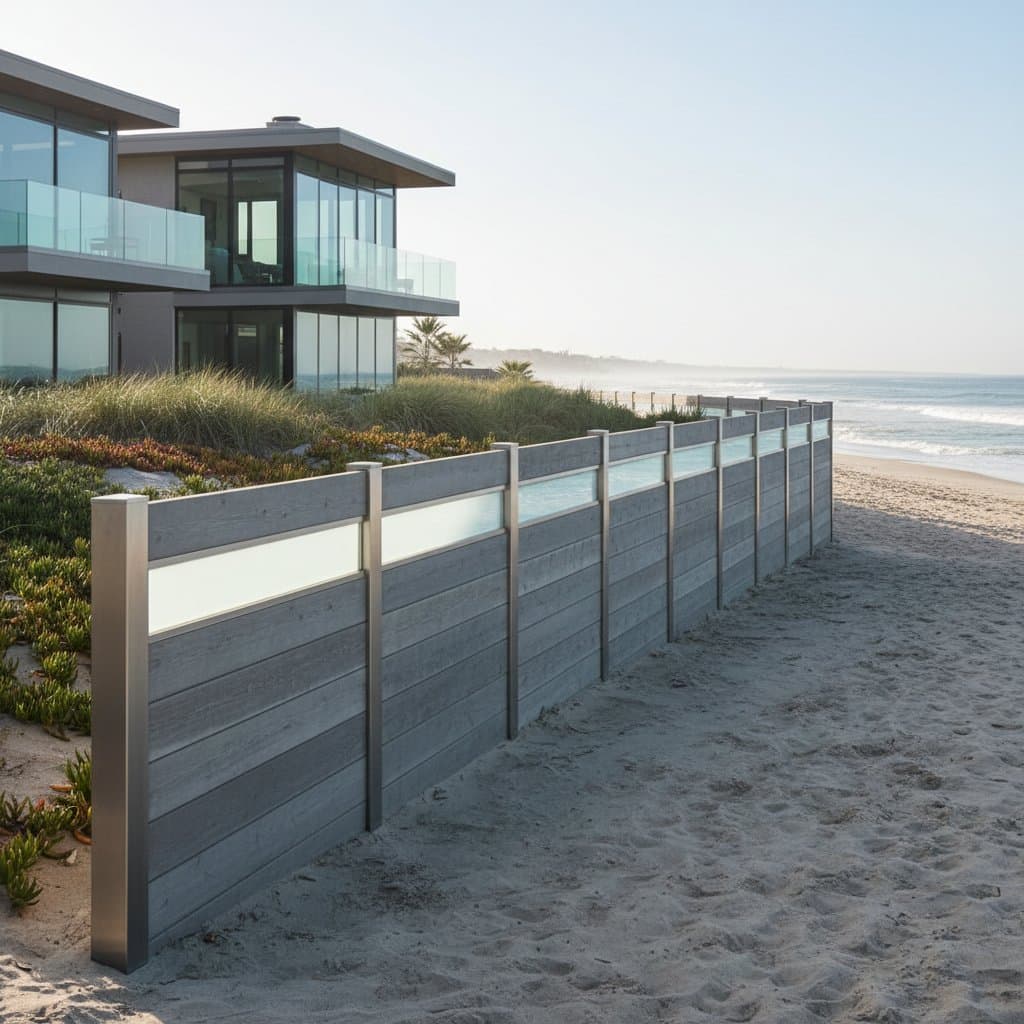
How Acoustic Fencing Blocks Beach Noise at the Source for Coastal Serenity
Coastal properties provide stunning ocean vistas, refreshing winds, and a deep bond with the natural world. However, persistent sounds from beaches often undermine this calm. Waves crashing, crowds gathering, and distant traffic create an unwelcome backdrop to relaxation. Acoustic fencing emerges as an effective remedy, delivering quiet without compromising the scenic charm of seaside homes. This article details its mechanisms, selection criteria, and implementation strategies tailored to beachfront settings.
Understanding Acoustic Fencing
Acoustic fencing, also known as sound barrier fencing, targets the mitigation of intrusive noises through specialized engineering. These structures employ robust materials and precise builds to interrupt sound waves originating from roads, promenades, or crowded shores. In contrast to conventional wood or vinyl barriers, acoustic fences prioritize both auditory control and seamless integration with natural landscapes.
Mechanisms of Noise Reduction
Sound propagates as vibrations through the air, interacting with barriers in predictable ways. Effective acoustic fences manage these interactions by:
- Absorbing vibrations via thick, porous substances like resin-infused wood, layered composites, or perforated acoustic sheets.
- Obstructing direct pathways with uninterrupted walls that eliminate gaps.
- Redirecting waves skyward to diffuse their impact on enclosed spaces.
Installation in optimal configurations yields reductions of 20 to 30 decibels, fostering environments suitable for serene outdoor activities such as meals al fresco or quiet reading.
Selecting Acoustic Fencing for Coastal Durability
Seaside exposure demands resilience against corrosive elements like saline mist, elevated moisture, and forceful gusts. Ideal choices harmonize superior noise attenuation with longevity and elegant form.
Durable Material Choices
-
Composite Panels
These consist of recycled wood fibers bound with polymers, offering resistance to swelling, splintering, and water ingress. Maintenance involves simple cleaning rather than frequent treatments. -
Pressure-Treated Timber
This option delivers an organic aesthetic suited to sandy terrains. Protective treatments shield against salinity, though annual applications of sealants ensure prolonged vitality. -
Metal-Composite Hybrids
Aluminum or galvanized steel frames encase sound-dampening cores, providing structural strength and a contemporary profile. Powder coatings further bolster weatherproofing. -
Vinyl Acoustic Barriers
Affordable and fade-resistant, vinyl withstands UV rays and humidity. For enhanced absorption, select thicker variants with embedded foam layers.
Optimizing Height and Positioning
Performance hinges on elevation and alignment. Fences should exceed the direct line between noise origins and living areas, typically reaching 6 to 8 feet. Secure bases flush to the soil prevent sound leakage. Coastal ordinances often cap heights at 6 feet to safeguard vistas, so consult municipal codes early in planning.
Installation and Upkeep Strategies
Engage certified installers to guarantee structural integrity and acoustic efficiency. Knowledge of key procedures empowers property owners to monitor progress effectively.
Key Installation Phases
-
Evaluate Sound Origins
Map primary noise contributors, such as adjacent pathways or event zones, to determine barrier placement. -
Plan Dimensions and Layout
Account for boundaries, access points, and terrain contours that influence acoustics. -
Incorporate Resilient Components
Opt for marine-grade anchors and rust-proof connectors to combat environmental stresses. -
Apply Protective Finishes
Coat surfaces with marine sealants to repel salt and moisture, preserving both function and finish.
Maintenance Routines
Preserve efficacy through periodic checks. Hose down panels quarterly to clear salt buildup. Following severe weather, examine for displacements or wear, addressing issues promptly to avoid diminished performance.
Blending Acoustic Fencing with Seaside Aesthetics
Functionality pairs best with visual coherence in coastal designs. Thoughtful selections elevate landscapes rather than dominate them.
Styling Recommendations
- Employ warm wood finishes to echo dunes and foliage.
- Install horizontal panels for a sleek, horizon-inspired silhouette that supports seclusion.
- Add lattice caps or vine supports to introduce texture and verdant growth.
- Choose muted palettes in beige, gray, or sage to mirror ocean tones and reduce reflective glare.
Such integrations not only dampen disturbances but also boost real estate allure and environmental synergy.
Frequently Asked Questions
What noise reduction levels does acoustic fencing achieve?
Most high-quality installations attenuate sounds by 20 to 30 decibels. Results vary based on material density, barrier height, and proximity to sources. Test samples or consult acousticians for site-specific projections.
Can acoustic fencing endure coastal conditions?
Yes, selections featuring galvanized metals, UV-stabilized composites, or sealed woods thrive in humid, salty atmospheres. Routine protection extends service life beyond a decade.
Are permits required for beachside acoustic fencing?
Regulations in shoreline areas frequently govern elevations, setbacks, and materials to maintain public sightlines. Verify requirements with local authorities or community associations prior to proceeding.
What are the costs associated with acoustic fencing?
Expect expenditures from $50 to $150 per linear foot, influenced by material grade and installation complexity. This premium over basic fences yields enduring acoustic benefits and aesthetic uplift.
Do plants complement acoustic fencing for noise control?
Absolutely. Thick evergreens, bamboo screens, or flowering climbers amplify absorption while camouflaging structures. Strategic planting along fence bases creates layered defenses.
Is professional installation essential?
DIY efforts suit minor projects, but experts ensure airtight seals and stable foundations critical for soundproofing. Subpar work risks leaks and accelerated deterioration.
How durable is acoustic fencing in seaside settings?
Premium builds with vigilant care last 15 to 25 years. Annual inspections and refresher coatings mitigate fading and structural fatigue.
Reclaiming Seaside Serenity Through Strategic Barriers
With acoustic fencing in place, coastal spaces evolve into havens of repose. Intrusive clamor recedes, giving way to the subtle symphony of tides and winds. Strategic material choices and precise execution secure lasting harmony, allowing full enjoyment of waterfront living.