
Introduction to Coastal Permit Changes
Coastal regions face stricter environmental protections with the 2026 permit updates. These rules target outdoor features like showers to minimize ecological impact and preserve natural beauty. Homeowners in areas such as San Diego must adapt designs to secure approvals and avoid fines.
The focus lies on sustainability, safety, and integration with the landscape. Updating an existing shower or planning a new one requires attention to details that balance functionality with regulatory demands. This approach not only satisfies permits but also elevates outdoor living spaces.
Key Considerations Before Starting
Review local zoning laws specific to your coastal zone. Consult with a permitted contractor experienced in environmental compliance. Budget for materials that withstand salt air and humidity.
Assess your current setup for drainage and water usage. Measure the space to ensure updates fit within setback requirements. Document all changes for permit applications.
1. Select Sustainable, Low-Impact Materials
Opt for materials that reduce environmental footprint. Bamboo composites or recycled plastic lumber resist corrosion without harming marine ecosystems. These choices align with rules limiting chemical runoff.
Avoid treated woods that leach preservatives into soil. Instead, choose natural stone or permeable pavers for bases. Such selections demonstrate commitment to coastal preservation during inspections.
2. Implement Efficient Drainage Systems
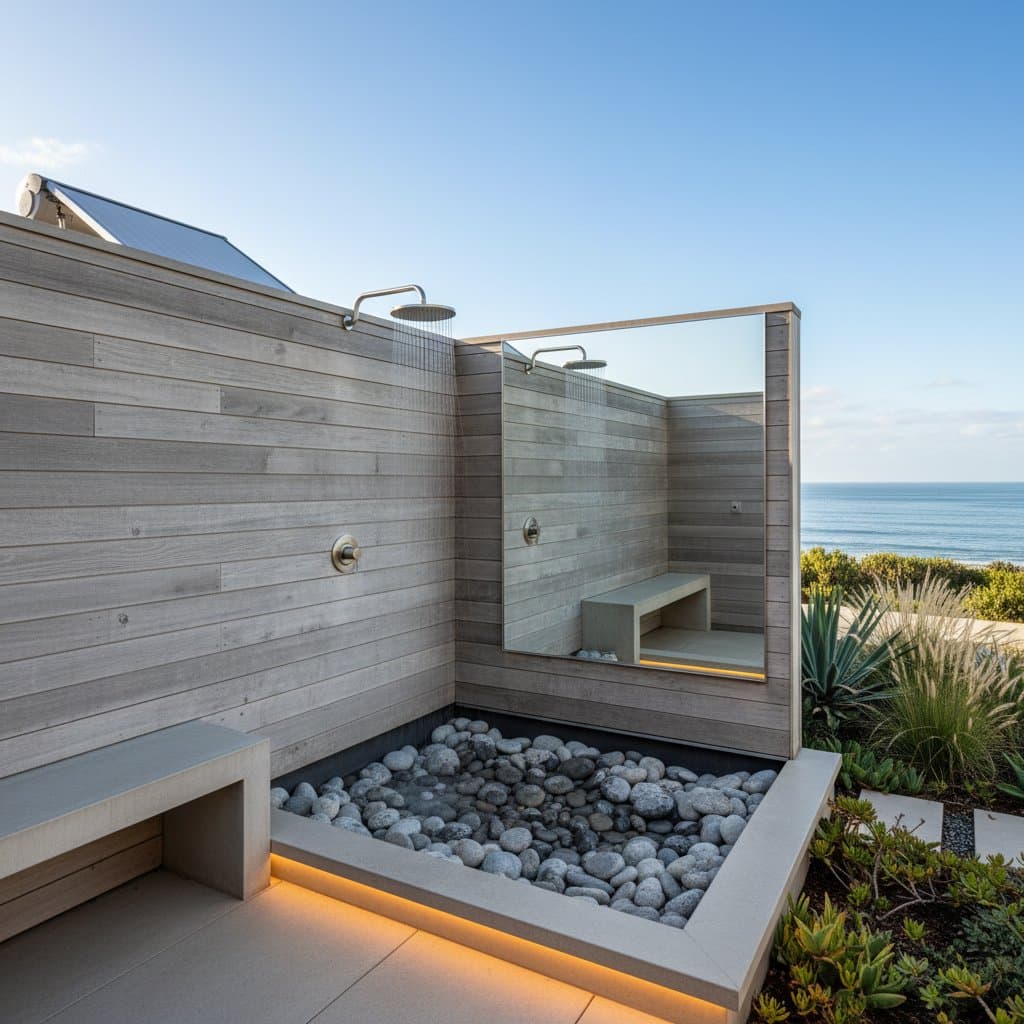
Permits now mandate systems that prevent erosion and contamination. Install French drains or gravel trenches to direct water away from sensitive areas. These features filter runoff before it reaches the shore.
Incorporate bioswales with native plants to absorb excess moisture. Ensure pipes connect to approved septic or municipal systems. Proper drainage safeguards against flooding in rainy seasons.
3. Enhance Privacy with Natural Screening
Regulations require shielding to protect wildlife views and neighbor privacy. Plant native shrubs like coastal sagebrush for living walls that blend with surroundings. These grow densely without invasive roots.
Use trellises with climbing vines for semi-permeable barriers. Position screens at least six feet high and offset from property lines. This setup complies while creating secluded retreats.
4. Integrate Energy-Efficient Lighting
New rules promote dark-sky compliance to minimize light pollution. Choose LED fixtures with warm tones and motion sensors. These reduce energy use and glare toward beaches.
Install shielded downlights to direct illumination downward. Solar-powered options eliminate wiring needs in remote spots. Such lighting enhances safety without environmental disruption.
5. Install Non-Slip, Permeable Flooring
Safety standards emphasize slip-resistant surfaces in wet areas. Select textured porcelain tiles or natural slate with high traction ratings. Permeable options allow water infiltration to avoid pooling.
Ensure flooring slopes gently toward drains, typically one percent grade. Avoid sealed concrete that traps heat and moisture. These surfaces endure coastal weather while meeting accessibility guidelines.
6. Incorporate Water-Saving Fixtures
Water conservation tops permit priorities in drought-prone coasts. Equip showers with low-flow heads rated at 1.8 gallons per minute or less. Thermostatic valves maintain temperature without excess waste.
Add foot-operated controls for hands-free use. Rainwater collection systems can supply non-potable water. These features lower usage and appeal to eco-conscious inspectors.
7. Design for Easy Maintenance Access
Ongoing upkeep must not disturb habitats, per new guidelines. Build with removable panels for plumbing checks. Position access points away from dunes or wetlands.
Use stainless steel fasteners that resist rust. Schedule annual inspections to verify integrity. Simplified designs reduce long-term costs and permit renewals.
8. Adhere to Setback and Elevation Rules
Structures cannot encroach on protected zones. Measure setbacks from mean high tide lines, often 50 feet or more. Elevate shower bases above flood levels using piers or graded foundations.
Incorporate breakaway walls for hurricane-prone areas. Verify elevations with surveys before construction. Compliance here prevents costly redesigns.
9. Choose Corrosion-Resistant Hardware
Salt exposure demands durable components. Select marine-grade brass or powder-coated aluminum for fixtures. These materials prevent leaks and structural failure over time.
Galvanized steel offers budget-friendly protection. Regularly inspect for wear to maintain permit status. Robust hardware ensures longevity in harsh conditions.
Achieving Compliance and Lasting Appeal
Implementing these updates transforms outdoor showers into compliant havens. They enhance property value by up to 10 percent through sustainable appeal. Enjoy worry-free coastal living with features that harmonize with nature.
Consult professionals for site-specific advice. Start planning now to meet 2026 deadlines. Your updated shower will serve as a model of responsible design.