
9 Living Seawall Ideas for Greener Coastal Erosion Control
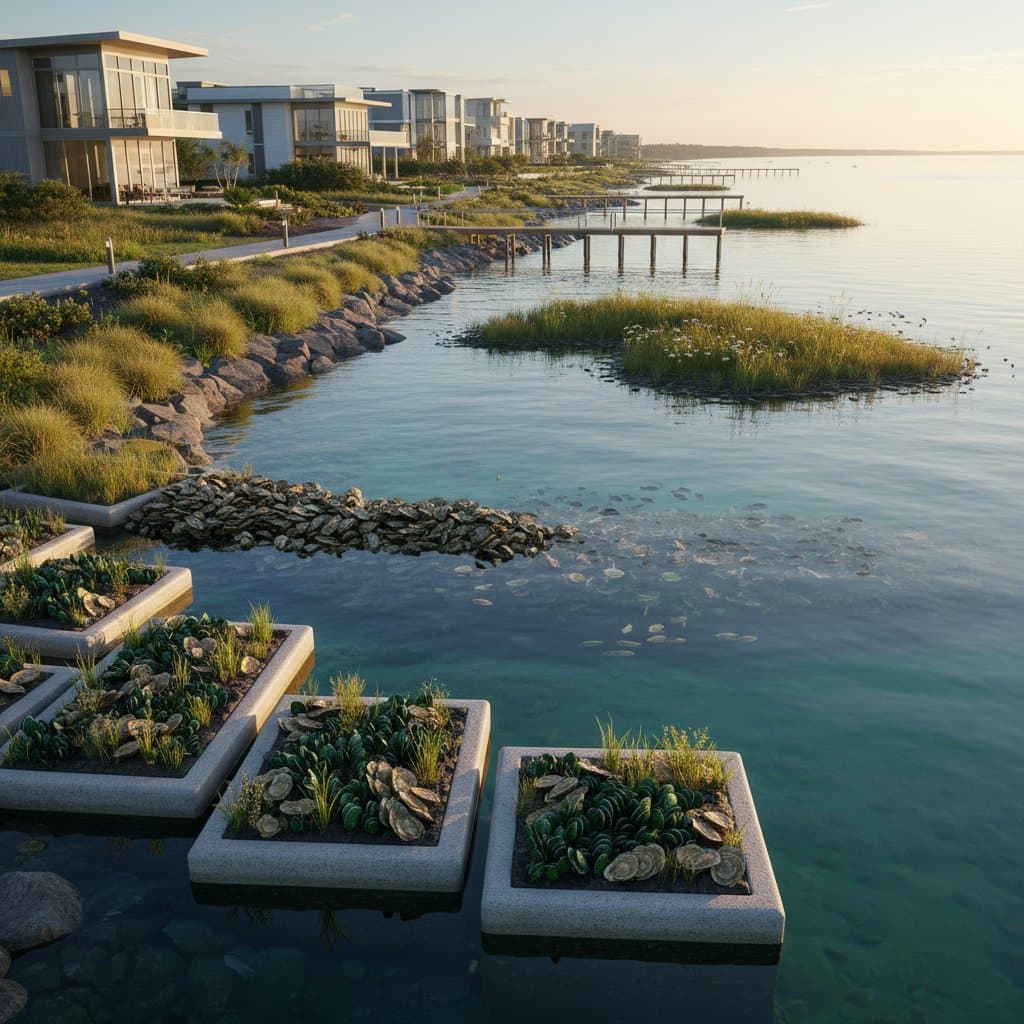
Living seawalls represent a shift from rigid concrete barriers to dynamic structures that integrate natural elements. These designs mitigate coastal erosion while fostering biodiversity and enhancing aesthetic appeal. Property owners along shorelines benefit from solutions that align engineering precision with ecological restoration.
Traditional seawalls often harm marine habitats by blocking water flow and sediment movement. In contrast, living seawalls incorporate vegetation, reefs, and other organic materials to create resilient barriers. This approach supports fish populations, filters pollutants, and adapts to rising sea levels, offering long-term sustainability for coastal properties.
Implementing a living seawall requires assessment of local conditions such as wave energy, soil type, and native species. Consultation with marine engineers and ecologists ensures compliance with environmental regulations. Costs vary from moderate for small-scale installations to higher for custom designs, but incentives like green building credits can offset expenses.
Key Benefits of Living Seawalls
These structures provide multiple advantages beyond erosion control.
- Ecological Enhancement: They create habitats for shellfish, algae, and fish, increasing local biodiversity.
- Water Quality Improvement: Plants and biofilms absorb excess nutrients, reducing algal blooms.
- Aesthetic and Property Value Boost: Natural integrations blend with landscapes, appealing to eco-conscious buyers.
- Climate Resilience: Flexible materials withstand storms better than inflexible concrete.
- Maintenance Efficiency: Once established, they require less upkeep than traditional walls.
1. Modular Reef Panels
Modular reef panels consist of precast concrete units embedded with crevices for marine growth. Installers position these panels along the seawall base to form an artificial reef. Over time, oysters and barnacles colonize the surfaces, stabilizing sediment and dampening wave energy.
This design suits high-energy coasts where wave action erodes shorelines rapidly. Construction involves anchoring panels to existing structures or new foundations. Expect initial costs around $200 per square foot, with ecological benefits emerging within one to two years.
Property owners report reduced beach loss and increased sightings of juvenile fish near installations. Regular monitoring ensures panel integrity, though natural accretion often fills gaps naturally.
2. Oyster Reef Integration
Oyster reefs built into seawalls use mesh bags or frames filled with oyster shells to promote natural spat settlement. These reefs trap sediment and break waves, preventing scour at the wall base. Native oyster species thrive in the protected nooks, forming dense colonies.
Ideal for estuaries with calm to moderate waves, this method restores water filtration capacity lost to overharvesting. Volunteers or professionals cultivate starter reefs offshore before integrating them. Budget $50 to $100 per linear foot, including materials and labor.
Successful projects demonstrate 30 percent wave reduction and improved crab habitats. Harvesting mature oysters sustains the system while providing a renewable resource.
3. Mangrove Planting Zones
In tropical or subtropical regions, mangrove zones along seawalls feature elevated platforms or pockets for root systems. Mangroves trap sediments with their prop roots, building land and buffering storms. Select salt-tolerant species like red mangroves for optimal growth.
Engineers design these zones with tidal access to prevent stagnation. Planting occurs during low tide, with protective netting until roots establish. Costs range from $10 to $30 per plant, scaling with area coverage.
Communities observe stabilized shorelines and enhanced bird populations. Mangroves also sequester carbon, contributing to broader climate goals.
4. Floating Wetland Modules
Floating wetlands attach modular trays of emergent plants to seawall tops or adjacent docks. Plants like cattails and bulrushes extend roots into water, stabilizing floating platforms while absorbing pollutants. These systems adapt to fluctuating water levels.
Suitable for urban waterfronts, they install via buoyant frames anchored to the wall. Maintenance includes seasonal replanting to sustain density. Initial setup costs $300 to $500 per module, with modular expansion possible.
Benefits include clearer water and nesting sites for waterfowl. They reduce nutrient runoff from nearby lawns or streets.
5. Vegetated Gabion Baskets
Gabion baskets filled with rocks and soil support climbing vines and grasses along seawall faces. Wire mesh contains the fill, allowing roots to penetrate and bind materials. This creates a green facade that dissipates wave impact.
Apply in areas with moderate slopes to prevent soil washout. Fill baskets on-site and plant immediately for quick establishment. Prices start at $15 per cubic foot for baskets and vegetation.
The result mimics natural cliffs, attracting pollinators and reducing urban heat islands. Inspections every six months check for wire corrosion.
6. Bioengineered Rock Armors
Bioengineered rock armors intersperse boulders with seed-embedded mats or coir logs. As vegetation grows, roots anchor the rocks, forming a living breakwater. This hybrid resists undercutting common in plain rock revetments.
Best for exposed beaches, placement follows geotechnical surveys to match rock sizes to wave forces. Contractors use cranes for precise positioning. Costs average $100 per linear foot, including bio-materials.
Enhanced stability leads to wider beaches and safer recreation areas. Native grasses provide erosion control comparable to concrete.
7. Kelp Forest Attachments
In cooler waters, kelp attachments use submerged frames bolted to seawalls to support kelp holdfasts. Kelp forests slow currents, deposit sediments, and oxygenate water. Fast-growing varieties establish quickly in nutrient-rich zones.
Divers or remotely operated vehicles secure frames at optimal depths. Monitor for overgrowth to maintain access. Expenses include $200 per frame, plus propagation efforts.
These forests boost fisheries and carbon storage. They transform barren walls into thriving underwater ecosystems.
8. Hybrid Tire Reefs
Repurposed tires wrapped in geotextile and stacked form hybrid reefs at seawall toes. Marine organisms colonize the textured surfaces, creating bio-barriers. This upcycles waste while providing cost-effective protection.
Regulations vary; ensure tires are pre-treated to prevent leaching. Stack in interlocking patterns for stability. Low-cost option at $5 to $10 per tire unit.
Projects show sediment accretion and diverse invertebrate communities. Combine with vegetation for comprehensive coverage.
9. Vertical Green Walls
Vertical green walls cover seawall faces with hydroponic panels or trellises supporting salt-resistant plants. Irrigation systems deliver brackish water, promoting lush growth that absorbs wave splash. Sensors automate watering for efficiency.
Urban applications benefit from air purification and noise reduction. Install panels in sections for phased implementation. Budget $50 per square foot for systems and plants.
Visual appeal draws tourists, while roots reinforce the structure. Select drought-tolerant species for minimal input.
Planning Your Living Seawall Project
Start with a site survey to evaluate erosion rates and environmental sensitivities. Engage certified professionals for design and permitting, which may take three to six months. Secure funding through grants for coastal restoration initiatives.
During construction, minimize disturbance to existing habitats. Post-installation, track progress with photo monitoring and biodiversity surveys. Adjust as needed to optimize performance.
Sustaining Coastal Resilience
Living seawalls evolve with their environments, demanding ongoing stewardship. Annual cleanups remove debris, while propagation efforts expand habitats. These investments yield enduring protection and ecological harmony for generations.
Homeowners gain peace of mind knowing their properties contribute to healthier oceans. Explore local examples to inspire your design, ensuring a legacy of sustainable shorelines.