
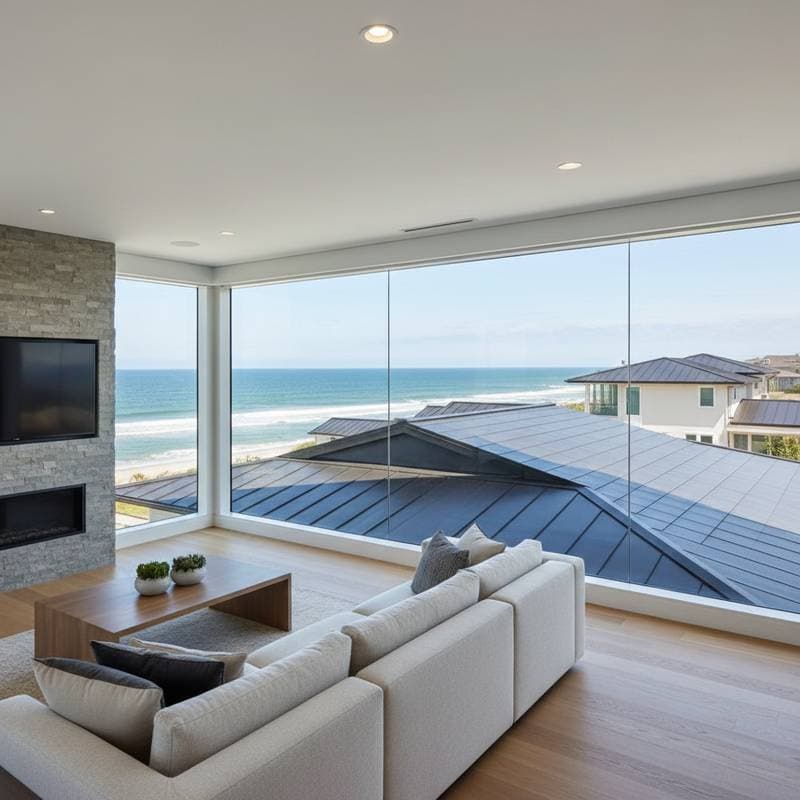
Nine Reasons Solar Shingles Outperform Panels on Coastal Roofs
Coastal environments present unique challenges for roofing materials, including salty air, intense winds, and persistent humidity. As renewable energy adoption grows among homeowners, a key decision emerges: solar shingles or traditional solar panels for a coastal residence?
Solar shingles emerge as the optimal choice for coastal roofing. They unite the refined profile of conventional shingles with advanced solar energy generation. Rather than mounting bulky panels atop the roof, solar shingles embed directly within it. This integration offers enhanced elemental protection, refined aesthetics, and enduring property value.
Homeowners seeking reduced energy expenses alongside a stylish, resilient home find solar shingles ideal. The following nine reasons demonstrate why they surpass traditional solar panels in coastal settings.
Design and Integration
1. Seamless Appearance That Enhances Coastal Architecture
Solar shingles integrate directly into the roofline for a fluid, contemporary profile that aligns with beach cottages and modern coastal dwellings. Traditional solar panels frequently impose a cumbersome, industrial aesthetic that conflicts with the serene, organic atmosphere desired by oceanfront residents.
Pro Tip: Select shingle colors that harmonize with current roofing to achieve maximum visual unity. Consider consulting a design specialist to preview integration on your specific architecture.
[Image: Coastal home featuring solar shingles blended into the roof structure]
2. Elimination of Heavy Mounting Hardware
Solar panels require racks positioned above the roof surface, whereas solar shingles install akin to standard roofing components. This approach eliminates the necessity for substantial brackets or prominent framing. Consequently, structural load decreases, and vulnerability to wind-induced uplift or storm damage diminishes.
Residents in coastal regions gain from this efficient method, as it curtails ongoing upkeep and mitigates leak risks stemming from mounting apparatus. Inspectors often note fewer penetration points, which preserve roof integrity over decades.
3. Adaptability to Smaller or Irregular Roof Configurations
Coastal properties commonly incorporate distinctive roof geometries or limited surface areas driven by stylistic or spatial limitations. Solar shingles conform to uneven areas and navigate confined zones where panels prove inefficient. This versatility enables maximum energy capture on compact or sloped designs.
For instance, on gabled roofs with dormers, shingles fill gaps that panels overlook, optimizing output without custom adaptations.
Durability in Coastal Conditions
4. Enhanced Resistance to Salt and Moisture
Coastal salt-laden air accelerates corrosion on metal frames and wiring in traditional panels. Solar shingles minimize exposed hardware, thereby lowering corrosion potential. Their sealed construction repels moisture, essential for sustaining functionality amid humid or foggy conditions.
Professional installations ensure gaskets and barriers prevent ingress, allowing shingles to endure prolonged exposure without efficiency decline or structural compromise. Annual performance reviews confirm longevity in saline environments.
5. Resilience Against Wind and Storms
High coastal winds threaten to dislodge or elevate panels over time. Solar shingles interlock securely to the roof deck, rendering them far less susceptible to gusts and flying debris in severe weather.
Manufacturers subject these products to rigorous wind tunnel testing, certifying adherence up to 130 miles per hour. For regions susceptible to hurricanes or gales, this fortification provides critical assurance during turbulent seasons.
6. Extended Lifespan with Reduced Maintenance Demands
Solar shingles serve dual purposes as both roofing and energy generators, often backed by warranties encompassing performance and durability for 25 years or more. Upkeep typically involves periodic cleaning to clear dust or salt deposits.
Pro Tip: Schedule quarterly rinses using fresh water and a soft brush to eliminate residue, preserving optimal efficiency. Avoid harsh chemicals that could degrade sealing materials.
[Image: Rooftop installation of solar shingles enduring coastal winds and precipitation]
Efficiency and Practical Benefits
7. Optimized Energy Efficiency via Direct Integration
Positioned flush against the roof, solar shingles facilitate balanced heat dissipation. Traditional panels may capture heat beneath, elevating attic temperatures and amplifying air conditioning demands. Shingles incorporate energy systems within the roof assembly, streamlining power delivery and moderating indoor climates.
This configuration also excels in shaded scenarios prevalent in coastal areas with overhanging trees or structures, capturing diffuse light more effectively than elevated panels.
8. Elevated Property Value and Aesthetic Appeal
Prospective buyers prioritize eco-friendly enhancements that preserve elegance. Solar shingles fulfill this by merging sustainability with a polished, unobtrusive design that amplifies exterior allure.
Real estate experts frequently promote solar shingles as a high-value upgrade, as they avert the obtrusive sight of expansive panels while underscoring environmental stewardship. Appraisals often reflect a 5 to 10 percent value increase in solar-equipped coastal homes.
9. Cost Savings Over the Long Term
Solar shingles may entail greater initial investment than panels, yet they supplant portions of existing roofing, offsetting labor and material costs. Subsequent energy reductions and minimal servicing render them economically advantageous for coastal owners.
Pro Tip: Conduct a comprehensive financial analysis comparing roof renewal plus panel setup against shingle installation. Factor in incentives like federal tax credits, which can narrow the gap significantly.
[Image: Coastal community showcasing homes with efficient solar shingle installations]
Essential Planning Steps for Coastal Installations
To guarantee a successful solar shingle project, homeowners should follow these preparatory measures:
- Evaluate the roof's current condition to confirm it supports solar integration without reinforcement.
- Review municipal regulations, as coastal zones may impose visual or elevation standards that shingles readily satisfy.
- Engage certified installers proficient in solar-roofing hybrids to secure watertight seals and electrical connections.
- Analyze daily sunlight patterns, accounting for fog or overcast days, and collaborate with engineers for layout optimization.
These actions minimize disruptions and maximize returns on investment.
Frequently Asked Questions
Do solar shingles match the efficiency of traditional panels?
They generate marginally less power per square foot, yet extensive coverage and seamless placement frequently equalize output for typical residences.
Does ocean proximity necessitate unique maintenance for solar shingles?
Occasional fresh water rinsing suffices to clear salt accumulation and sustain performance levels.
Is installation possible on existing roofs?
Affirmative; they often substitute segments of present roofing, particularly during scheduled overhauls.
Do solar shingles cost more than solar panels?
Upfront expenses may exceed those of panels, but integration as roofing material and elimination of mounting reduce total expenditures, yielding comparable or superior value.
Achieving Sustainable Coastal Living with Solar Shingles
Solar shingles unite renewable power generation with the rigors of coastal durability. Homeowners secure a fortified, leak-resistant roof that diminishes utility bills and refines overall property aesthetics. This choice positions residences for resilient, forward-thinking energy management amid evolving climate demands.