
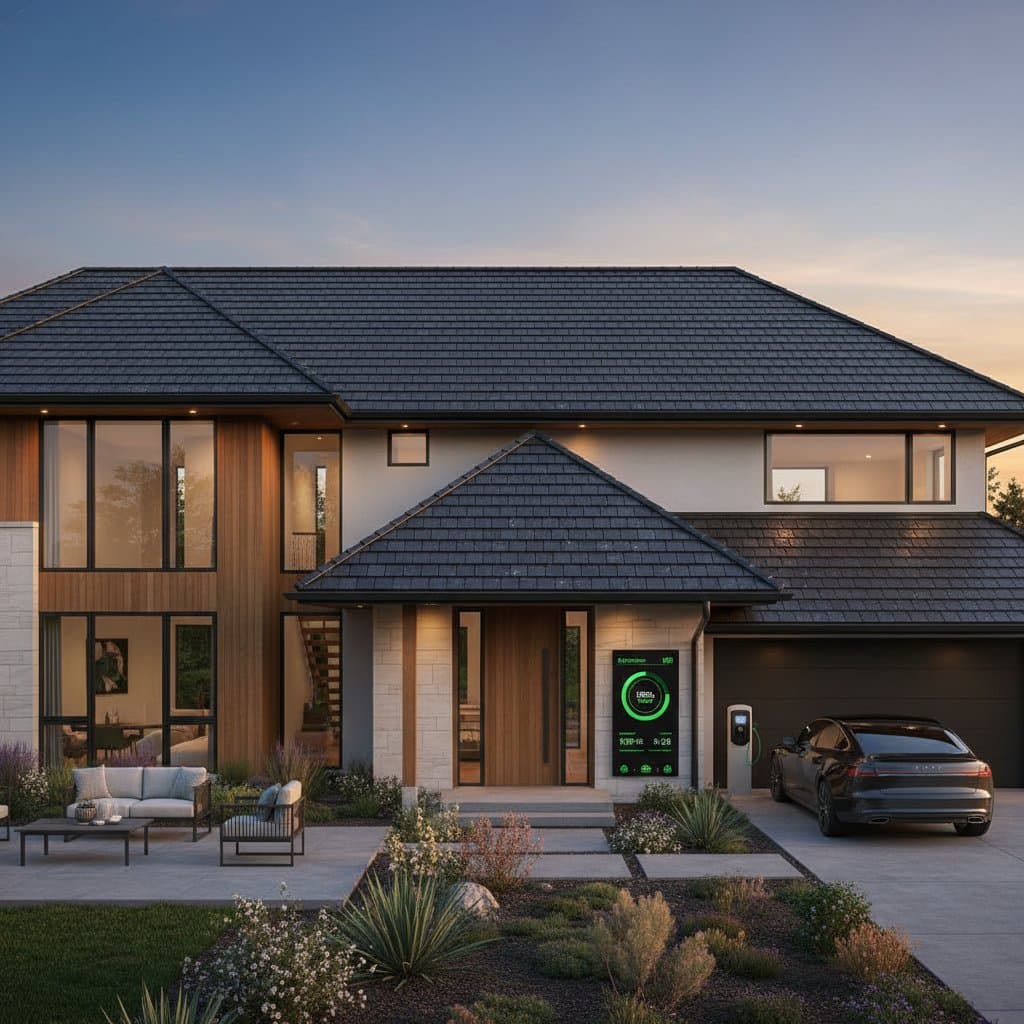
The Cost Edge of Solar Shingles Over Traditional Roofs
Homeowners seeking roof upgrades often consider solar shingles, which integrate roofing material with solar energy generation into a single, streamlined system. Traditional solar panels continue to attract interest, yet solar shingles present a strong alternative by lowering long-term expenses and streamlining the installation process. Grasping the financial and practical differences between solar shingles and standard roofing proves crucial for informed choices.
Average Cost Comparison: Solar Shingles vs. Traditional Roofs
A full solar shingle roof installation generally ranges from $40,000 to $60,000 for a typical home. In contrast, replacing a traditional asphalt roof without solar features costs $8,000 to $15,000, and incorporating conventional solar panels elevates the total to $25,000 to $40,000.
Solar shingles fulfill dual roles by serving as both roofing and energy production, which means one payment covers both elements instead of separate installations.
| Roofing Type | Average Total Cost | Lifespan | Energy Generation | Aesthetic Appeal |
|---|---|---|---|---|
| Asphalt Roof Only | $8,000 - $15,000 | 20 - 25 years | None | Moderate |
| Asphalt Roof + Solar Panels | $25,000 - $40,000 | 25 - 30 years | High | Moderate |
| Solar Shingle Roof | $40,000 - $60,000 | 25 - 30 years | High | Seamless, modern |
Cost by Roof Size and Project Scope
Project expenses for solar shingles hinge on roof dimensions and desired energy output.
- Small homes (under 1,500 sq. ft.): $30,000 to $40,000
- Mid-sized homes (1,500 to 2,500 sq. ft.): $40,000 to $55,000
- Large homes (2,500 sq. ft. and up): $55,000 to $70,000 or higher
Standard roofing expenses increase more gradually with scale, but solar shingles yield greater energy savings on bigger roofs, enhancing overall value over time.
Cost by Material Type
Solar shingles vary by material and efficiency, affecting output and expense.
| Material Type | Estimated Cost per Watt | Durability | Maintenance |
|---|---|---|---|
| Thin-film solar shingles | $2.50 - $3.50 | Moderate | Low |
| Crystalline silicon shingles | $3.50 - $4.50 | High | Low |
| Premium architectural solar shingles | $4.50 - $5.50 | Very High | Very Low |
Thin-film options provide an accessible starting point for budgets, whereas crystalline and architectural varieties ensure superior efficiency and extended warranties.
Labor Costs and Installation Factors
Labor constitutes 20% to 30% of the overall solar shingle budget. Rates fluctuate based on roof intricacy, incline, and access. Certified installers charge $40 to $60 per hour or offer fixed quotes tied to wattage and surface area.
Installation demands more time than conventional shingles due to concurrent electrical and roofing tasks. The unified method, however, avoids redundant efforts for panel mounting and wiring.
Factors That Influence the Total Cost
Multiple elements shape the final solar shingle expense:
- Roof shape and pitch: Steep or irregular designs demand extra labor and tailored adjustments.
- Energy needs: Greater power requirements necessitate additional shingles.
- Existing roof condition: Fixes to structure or underlayment raise expenses.
- Local permitting and inspection fees: Regulations differ by jurisdiction.
- Inverter and battery options: Storage additions boost costs while promoting self-sufficiency.
- Regional labor rates: Market variations impact installation pricing.
Long-Term Cost Edge and Energy Savings
Solar shingles demonstrate their value through electricity reductions. A properly configured system offsets 60% to 100% of bills, yielding annual savings of $1,000 to $2,000. Across 20 years, these reductions recoup significant portions of the upfront outlay. Furthermore, such roofs elevate home worth by 3% to 5%, particularly in markets favoring sustainable properties.
How to Save Money on a Solar Shingle Roof
- Align installation with necessary roof replacement to consolidate labor charges.
- Obtain quotes from several certified solar roofing specialists.
- Leverage incentives like tax credits or rebates, which cut costs by 20% or greater.
- Include battery storage only where essential to control spending.
- Opt for mid-range efficiency shingles in sunny locations.
DIY vs. Hiring a Professional: A Cost-Benefit Analysis
Attempting a DIY solar shingle installation risks safety hazards, warranty voids, and subpar performance due to the blend of roofing and electrical expertise required. Professionals ensure compliance with codes, optimize system efficiency, and provide guarantees that protect investments. The upfront labor premium pays off through reliability and potential incentives tied to certified work, making hiring experts the wiser path for most homeowners.
Common Mistakes to Avoid
- Overlooking current roof integrity, which prompts expensive fixes during setup.
- Prioritizing looks at the expense of efficiency, diminishing power yield.
- Projecting savings without accounting for regional sun exposure.
- Neglecting routine inspections, which hampers long-term output.
Frequently Asked Questions About Solar Shingles
Do solar shingles require more maintenance than traditional roofs?
Solar shingles demand little upkeep, akin to regular roofs. Periodic cleaning and output checks maintain peak function.
Can solar shingles work on any roof type?
They excel on south-facing surfaces with little shade. Intricate designs might require adaptations.
How long do solar shingles last?
Systems carry ratings of 25 to 30 years, aligning with or surpassing high-end asphalt durability.
Do I need a permit for solar shingle installation?
Local authorities mandate permits for solar roofing. Installers typically manage this step.
What happens if a solar shingle gets damaged?
Affected units replace individually without array disruption. Repair expenses mirror standard shingle fixes.
Do solar shingles add resale value to a home?
Integrated solar boosts appeal, accelerating sales and elevating prices via reduced utilities and contemporary style.
Making It Happen
Solar shingles represent more than a roof update; they form a enduring energy plan. Despite higher initial spending, their blend of resilience, bill reductions, and value growth yields solid returns. Select skilled installers and tailor choices to energy objectives for optimal results.