
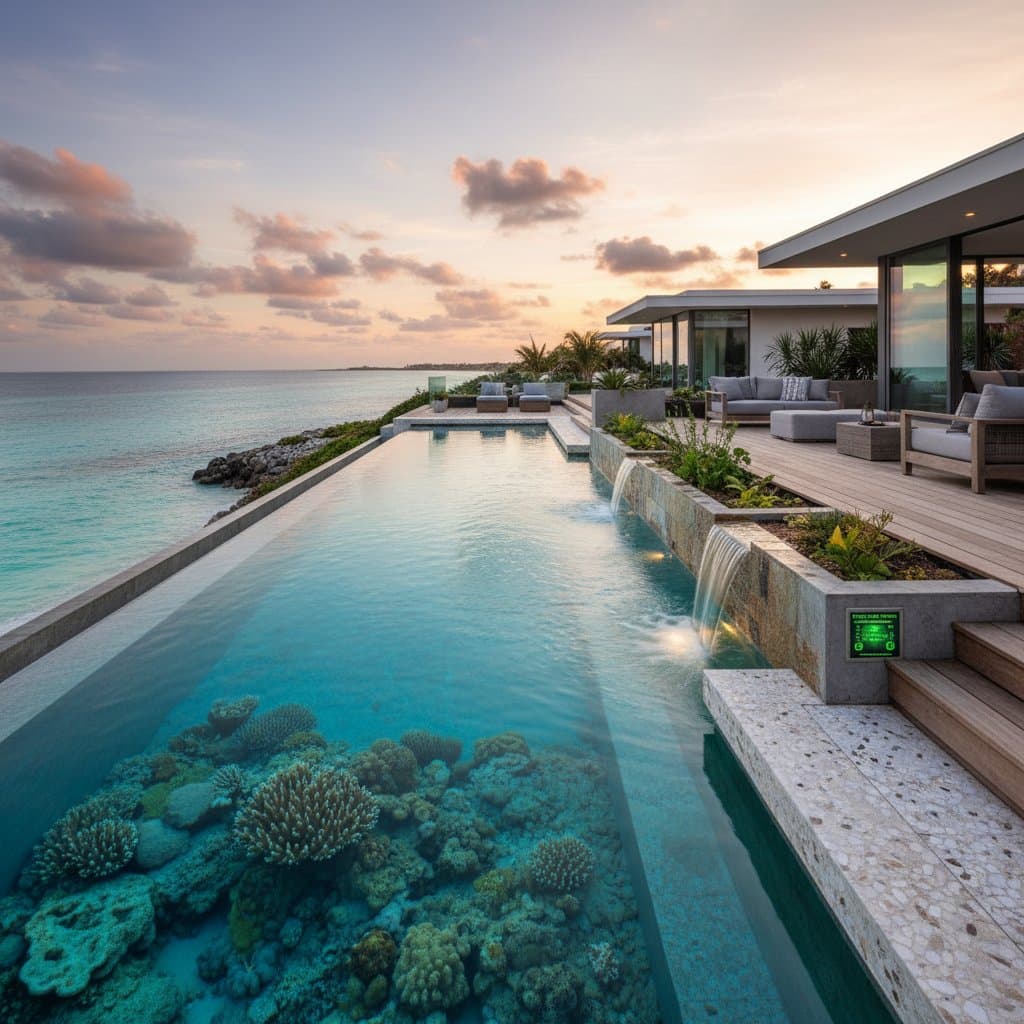
Understanding the 2026 EPA Coral-Safe Pool Regulations
Coastal regions face unique environmental challenges, particularly when residential activities threaten delicate marine habitats. The Environmental Protection Agency has finalized regulations set to take effect in 2026, focusing on swimming pools near shorelines. These measures aim to curb the release of harmful chemicals into waterways, thereby protecting coral reefs that support biodiversity and local economies.
The rules stem from extensive research linking pool maintenance chemicals to coral bleaching and ecosystem degradation. Traditional chlorine-based systems and algaecides often wash into coastal waters during rain or overflow events. By 2026, properties within 500 feet of the shoreline must transition to compliant systems, ensuring that backyard oases do not compromise ocean health.
Homeowners in areas like Southern California will notice these changes most acutely, as vibrant reefs draw tourists and bolster fisheries. The EPA estimates that non-compliance could lead to fines starting at $5,000 per violation, underscoring the urgency of preparation.
Key Components of the New Rules
The regulations outline specific requirements for pool operation and maintenance. First, filtration systems must incorporate advanced technologies such as ultraviolet or ozone purification to reduce reliance on chemical additives. These methods break down contaminants without introducing reef-toxic substances into drainage.
Second, sanitization protocols shift toward natural alternatives. Copper-based or mineral sanitizers replace harsh chlorines, maintaining water clarity while minimizing environmental discharge. Pool owners will need to install backflow prevention devices to halt accidental spills into storm drains.
Drainage improvements form the third pillar. Elevated catch basins and permeable pavers around pools capture runoff, directing it to on-site treatment rather than public sewers. The EPA provides guidelines for retrofitting existing setups, with incentives for early adoption through tax credits in participating states.
Impacts on Coastal Homeowners
Adapting to these rules requires planning, especially for older properties with outdated infrastructure. Initial costs for upgrades range from $2,000 to $10,000, depending on pool size and location. However, financing options through green home improvement loans can offset expenses over time.
Beyond compliance, these changes enhance daily living. Cleaner filtration means fewer skin irritations and clearer water, appealing to families with children or pets. Maintenance schedules simplify, as natural systems demand less frequent chemical balancing.
Property values stand to rise in eco-friendly neighborhoods. Appraisers increasingly factor in sustainable features, potentially adding 5 to 10 percent to resale prices. Communities benefit too, as reduced pollution supports tourism and recreational water sports.
Practical Steps for Compliance
Begin by assessing your current pool setup. Hire a certified inspector familiar with EPA standards to identify necessary modifications. Focus on high-priority areas like sanitizer delivery and overflow management.
- Upgrade to a low-impact filtration unit rated for coral-safe operation.
- Source EPA-approved sanitizers from reputable suppliers, verifying labels for reef compatibility.
- Install smart monitoring devices that alert to potential leaks or imbalances.
- Integrate landscaping with native plants to naturally filter any escaping water.
- Schedule annual audits to maintain certification and avoid penalties.
Local workshops and online resources from environmental groups offer hands-on guidance. Partnering with licensed contractors ensures installations meet code, streamlining the process.
Long-Term Benefits for Ecosystems and Lifestyles
These regulations foster a harmonious balance between human enjoyment and natural preservation. Coral reefs, often called the rainforests of the sea, filter water, protect coastlines from erosion, and sustain marine life. By curbing pool-related pollution, homeowners contribute to their longevity.
Imagine transforming your pool into a model of sustainability: crystal-clear water without environmental guilt, surrounded by thriving coastal habitats. The 2026 deadline provides ample time to act, turning potential challenges into opportunities for greener living. Coastal residents who embrace these changes not only comply with law but also invest in a healthier planet and prosperous future.