
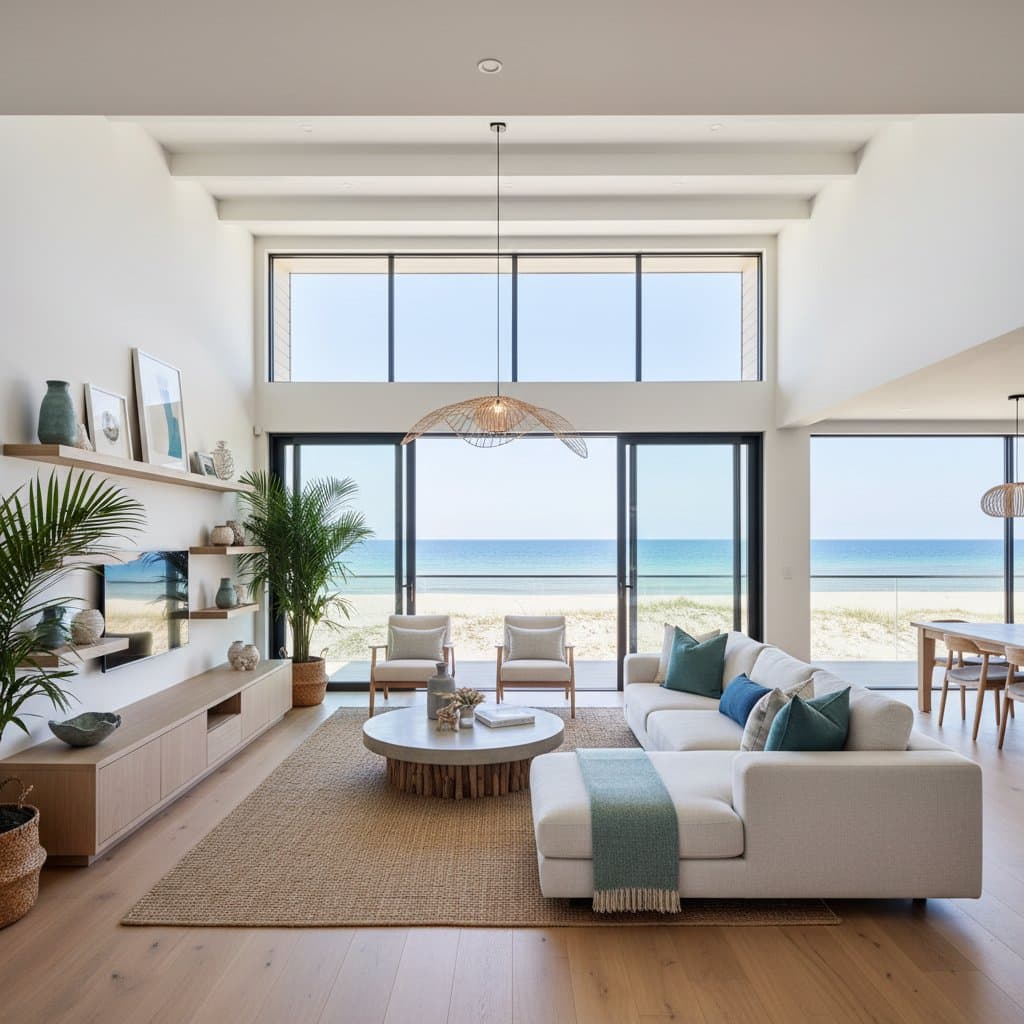
Modular Beach Homes: Complete Construction in Just 3 Weeks
Coastal homeownership appeals to many, yet traditional methods often involve extended timelines, fluctuating expenses, and logistical hurdles. Modular beach homes address these issues effectively. Factory-constructed in sections, these residences assemble on-site in as few as three weeks, yielding savings of approximately 35 percent on overall construction costs relative to standard builds. For those pursuing efficient, cost-effective, and resilient seaside properties, modular options deliver a practical alternative.
Understanding Modular Beach Homes
A modular beach home consists of prefabricated modules assembled in a factory setting under controlled conditions. These sections transport to the coastal location for final assembly on a permanent foundation. Modular homes adhere to identical building codes and structural requirements as site-constructed properties, distinguishing themselves through accelerated timelines and enhanced accuracy.
Typical Costs for Modular Beach Homes
Costs for a modular beach home generally fall between $180,000 and $450,000, influenced by dimensions, material selections, and site specifics. Per square foot, expect $150 to $250, encompassing delivery and setup. This equates to 30 to 35 percent below the $250 to $400 per square foot common in traditional coastal projects.
The following table illustrates key comparisons.
| Project Type | Cost per Square Foot | Total Cost Range | Build Duration |
|---|---|---|---|
| Modular Beach Home | $150 - $250 | $180,000 - $450,000 | 3 - 5 weeks |
| Traditional Beach Home | $250 - $400 | $350,000 - $800,000 | 4 - 6 months |
Such reductions arise from streamlined labor, volume material acquisitions, and avoidance of weather interruptions.
Costs Based on Size and Project Scale
Home size and features shape the investment required for a beach property.
| Size | Overview | Cost Range |
|---|---|---|
| Small (600 - 900 sq. ft.) | One- or two-bedroom retreat | $90,000 - $180,000 |
| Mid-Size (1,000 - 1,800 sq. ft.) | Family-oriented with kitchen and deck | $180,000 - $350,000 |
| Large (2,000+ sq. ft.) | Luxury setup with multiple bathrooms and bespoke elements | $350,000 - $500,000+ |
Mid-size configurations often balance expense, livability, and personalization effectively.
Material and Finish Cost Analysis
Selections in materials impact expenses and endurance, particularly in salty, windy coastal areas.
| Material | Cost per Square Foot | Durability | Maintenance | Visual Style |
|---|---|---|---|---|
| Vinyl Siding | $4 - $6 | Moderate | Low | Straightforward |
| Fiber Cement | $6 - $9 | High | Low | Contemporary coastal |
| Composite Decking | $10 - $15 | High | Very Low | Upscale exterior |
| Metal Roofing | $9 - $14 | Very High | Very Low | Streamlined protection |
| Impact-Resistant Windows | $800 - $1,500 per unit | Very High | Low | Vital for storm resistance |
Premium materials enhance longevity by minimizing upkeep and bolstering defense against environmental stresses.
Labor Expenses and Construction Speed
In traditional projects, labor constitutes 30 to 40 percent of expenses. Modular builds lower this to 15 to 25 percent, as factory teams handle the bulk under optimal conditions. Site work spans one to two weeks, varying with foundation and terrain.
This method circumvents weather disruptions, contractor coordination issues, and permitting delays. Consequently, it trims timelines and curbs ancillary costs that escalate in on-site constructions.
Key Influences on Overall Expenses
Multiple elements determine the final outlay for a modular beach home:
- Site location and access ease
- Foundation style, including piers, crawl spaces, or slabs
- Elevation needs in flood-risk areas
- Distance for module transport from the factory
- Extent of personalization in interiors and exteriors
- Local permit and inspection charges
- Integration of utilities like water, sewage, and power
Anticipating these variables enables precise budgeting from the outset.
Strategies to Reduce Modular Beach Home Costs
Thoughtful decisions extend funds while preserving standards. Implement these approaches:
- Select predefined layouts to bypass custom design charges.
- Choose durable intermediate-grade finishes for lasting appeal.
- Maintain simple roof designs to limit production and installation fees.
- Site the build on flat terrain to simplify foundation preparation.
- Group enhancements through the manufacturer to negotiate better rates.
- Arrange utility setups in advance to prevent subsequent on-site modifications.
These tactics can conserve significant sums, ensuring a resilient and attractive result.
Balancing DIY Efforts with Professional Services
Certain owners explore self-managed tasks, such as painting or deck installation, to trim expenses. Proceed with caution to uphold quality.
| Activity | DIY Suitability | Expert Involvement Advised | Considerations |
|---|---|---|---|
| Interior Painting | High | Optional | Straightforward cost cutter |
| Flooring Placement | Moderate | Optional | Relies on personal expertise |
| Electrical/Plumbing | Low | Essential | Demands certified specialists |
| Module Assembly | None | Mandatory | Ensures safety and regulations |
| Exterior Weatherproofing | Moderate | Optional | Involves coastal-specific techniques |
Delegate complex or load-bearing elements to qualified professionals, given rigorous coastal standards.
Pitfalls to Sidestep in Modular Projects
Proactive measures safeguard finances and schedules.
- Overlook zoning guidelines; verify setbacks and elevations prior to commitment.
- Bypass geotechnical assessments; analyze soil for foundation implications.
- Undervalue transport pathways; confirm truck maneuverability.
- Excessively alter specifications; revisions prolong manufacturing and raise prices.
- Delay permitting; incomplete documents can stall assembly.
Addressing these proactively fosters an efficient process.
Essential Questions on Modular Beach Homes
What is the construction timeline for a modular beach home?
Factory production requires two to three weeks, with on-site integration adding one to two weeks. This pace surpasses traditional methods, which extend over months.
Do modular beach homes need unique foundations?
Coastal sites frequently necessitate raised or pier-based foundations to counter flooding and erosion. Builders evaluate ground stability and regulations to recommend suitable configurations.
How do modular homes perform in strong winds?
Contemporary designs comply with or surpass wind standards, incorporating hurricane ties, fortified structures, and shatterproof glazing for superior safeguarding.
Is design customization feasible?
Manufacturers provide partial customization for floor plans, surfaces, and facades. Complete bespoke requests are available, though they extend timelines and budgets.
Do modular homes maintain resale value?
Well-cared-for units preserve equity akin to conventional homes. Resilient builds, weather resistance, and efficiency features support enduring worth.
What upkeep do coastal modular homes demand?
Routine tasks encompass rinsing salt buildup, inspecting joints, and refreshing exteriors periodically. Corrosion-proof components substantially lessen ongoing efforts.
Is financing options available for modular builds?
Yes, numerous lenders offer loans tailored to modular projects, often at competitive rates due to shorter timelines. Consult banks or specialists in prefabricated housing for pre-approval, factoring in site preparation costs.
Steps to Launch Your Coastal Modular Project
Begin by consulting local builders experienced in modular coastal work to align with regulations. Develop a site plan incorporating elevation and access details. Secure financing and permits concurrently to streamline progress. Select a reputable factory partner emphasizing durable materials. Monitor assembly to ensure seamless integration. This structured path realizes a swift, economical transition to seaside residency, blending modern efficiency with timeless appeal.