
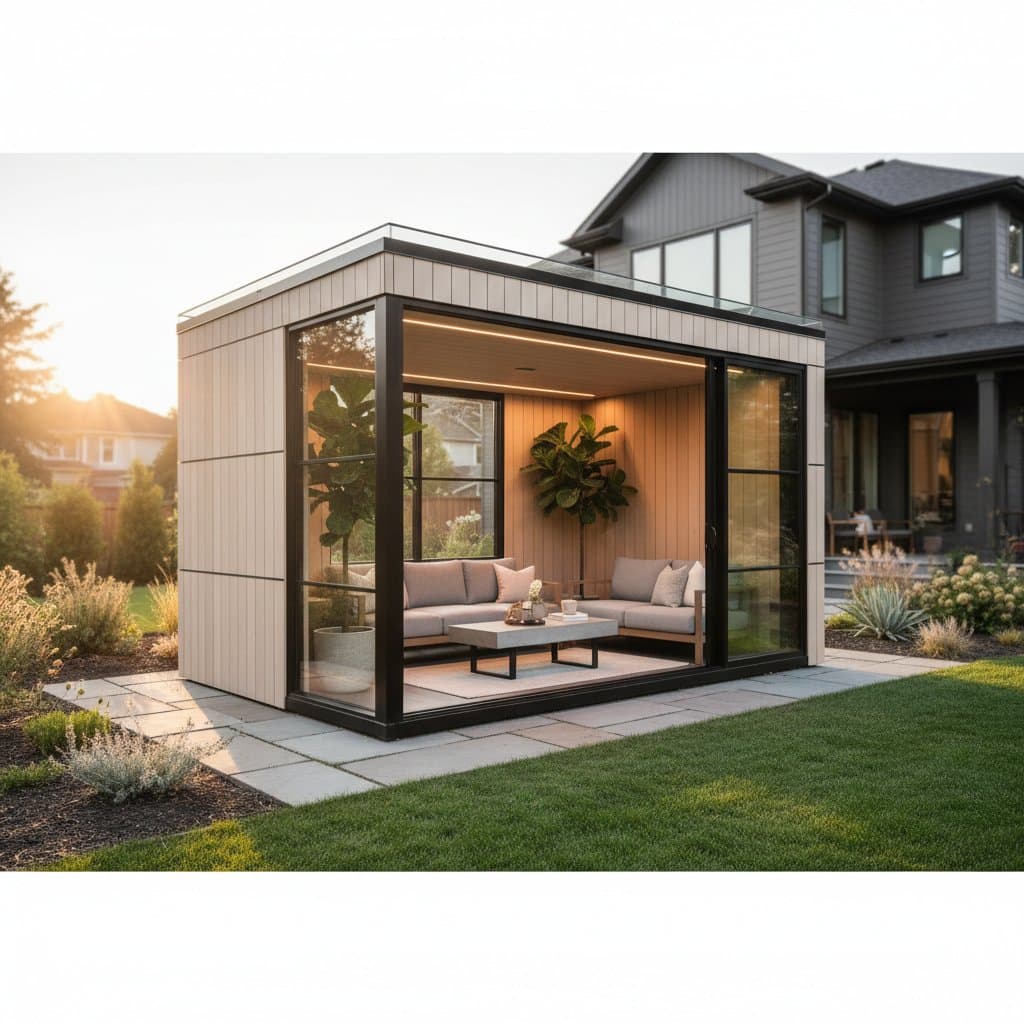
Snap-Together Rooms Unlock Year-Round Outdoor Bliss
Creating the perfect balance between indoor comfort and outdoor freedom has never been easier. Snap-together rooms, also known as modular outdoor living spaces, transform how homeowners enjoy their yards, patios, and gardens. These flexible, prefabricated structures add usable square footage to a property without the complexity of traditional construction. Homeowners can create a sunroom, yoga studio, or poolside retreat through a fast, customizable, and cost-efficient approach to year-round outdoor living.
Average Cost of a Snap-Together Outdoor Room
The average cost for a snap-together outdoor room ranges from $12,000 to $38,000, depending on size, materials, and finishing details. Smaller units, such as compact garden offices, start near $8,000. Large, fully enclosed rooms with insulation and integrated utilities exceed $45,000. The national average falls around $24,000 for a mid-sized, insulated, and partially furnished space.
Cost by Room Size or Scope
| Project Type | Approximate Size | Typical Cost Range | Key Features |
|---|---|---|---|
| Small Studio | 100-150 sq. ft. | $8,000 - $15,000 | Simple assembly, basic insulation |
| Mid-Range Room | 150-250 sq. ft. | $16,000 - $28,000 | Insulated panels, upgraded finishes |
| Large Retreat | 250-400 sq. ft. | $29,000 - $45,000 | Full glass walls, integrated HVAC, luxury materials |
Cost Breakdown by Material
Material selection influences both cost and comfort. The following table outlines common material options for modular outdoor rooms.
| Material Type | Cost per sq. ft. | Durability | Maintenance | Aesthetic Appeal |
|---|---|---|---|---|
| Aluminum Framing | $100 - $150 | High | Low | Modern, sleek |
| Vinyl Panels | $80 - $120 | Medium | Low | Clean, simple |
| Wood Composite | $120 - $180 | Medium-High | Moderate | Warm, natural |
| Steel Frame + Glass | $150 - $250 | Very High | Low | Contemporary, bright |
Aluminum and vinyl suit coastal climates where moisture resistance proves essential. Wood composites provide warmth but require occasional refinishing. Steel and glass combinations offer a modern appearance with maximum durability for high-end designs.
Labor and Installation Costs
Labor accounts for 25% to 40% of the total project cost. Most prefabricated rooms assemble quickly, often in two to five days by a professional team. Labor rates for modular construction average $50 to $100 per hour, based on complexity and local market conditions. DIY assembly kits reduce labor costs but require careful preparation, leveling, and alignment to maintain structural integrity.
Factors That Influence Total Cost
Several variables affect the overall budget for a snap-together outdoor room.
- Site preparation, including grading, foundation pads, or electrical connections
- Room size and layout, such as the number of walls, windows, and door systems
- Insulation and climate control for year-round comfort
- Custom finishes like flooring, lighting, or built-in shelving
- Permitting requirements based on local building codes
- Utility connections for electricity, plumbing, or internet access
A detailed site assessment and upfront planning benefit every project by preventing unexpected expenses.
How to Save Money on Modular Outdoor Rooms
- Select a standard model. Custom designs increase both design and manufacturing costs.
- Choose pre-finished panels. Factory finishes reduce labor time and long-term maintenance.
- Install on an existing patio. A stable surface eliminates the need for a new foundation.
- Bundle utilities. Combining multiple electrical or plumbing installations in one project lowers contractor fees.
- Handle interior finishing yourself. Painting or adding decor personalizes the space while saving thousands.
DIY vs. Hiring a Professional
Many modular systems market themselves as DIY-friendly, yet assembly demands precision. Consider the following comparison to determine the best approach for your project.
| Aspect | DIY Approach | Professional Installation |
|---|---|---|
| Cost | Lower labor expenses; materials only | Higher upfront cost; includes expertise |
| Time | Longer for novices; weekends or weeks | Faster completion; 2-5 days typically |
| Skill Required | Basic tools, measuring, and alignment skills | None; handled by certified team |
| Warranty | May void if not assembled correctly | Full coverage with proper installation |
| Risk | Potential errors in leveling or sealing | Minimal; insured and code-compliant |
Professionals ensure compliance with codes and warranties, while DIY suits those with construction experience and saves money on simpler projects.
Common Mistakes to Avoid
- Skip permits at your peril. Even prefabricated structures often require zoning approval.
- Ignore foundation needs. A level, solid base prevents settling or water intrusion over time.
- Underestimate utility costs. Electrical connections or solar systems add several thousand dollars.
- Choose poor ventilation. Glass-heavy rooms overheat in summer without proper airflow.
- Over-customize excessively. Modifications can void warranties and delay assembly.
Frequently Asked Questions About Snap-Together Rooms
Do I need a building permit for a modular outdoor room?
Permit requirements vary by location and room size. Most enclosed structures over a certain square footage or those wired for electricity require approval from local authorities.
How long does installation take?
A small or mid-size prefabricated room assembles fully in a few days once the foundation prepares. Larger or custom models take a week or more.
Can these rooms handle different weather conditions?
High-quality modular systems use weather-sealed joints, corrosion-resistant frames, and insulated panels. These features manage rain, sun, and temperature changes effectively.
What adds the most value to a modular outdoor space?
Insulated walls, climate control, and high-quality windows increase usability and resale value. Such upgrades extend comfort across seasons and appeal to future buyers.
Can I move or reconfigure my snap-together room later?
Most modular units disassemble and relocate easily. This flexibility suits homeowners who move or wish to reposition the structure.
Are modular outdoor rooms energy efficient?
Modern designs incorporate insulated panels, double-pane glass, and reflective coatings. These elements maintain temperature stability and reduce energy use for heating and cooling.
Steps to Launch Your Modular Outdoor Project
Begin by assessing your site and desired features to match budget with vision. Consult local suppliers for material samples and quotes that align with your lifestyle goals. With thoughtful planning, a snap-together room delivers enduring value, blending seamless expansion with enhanced daily living.