
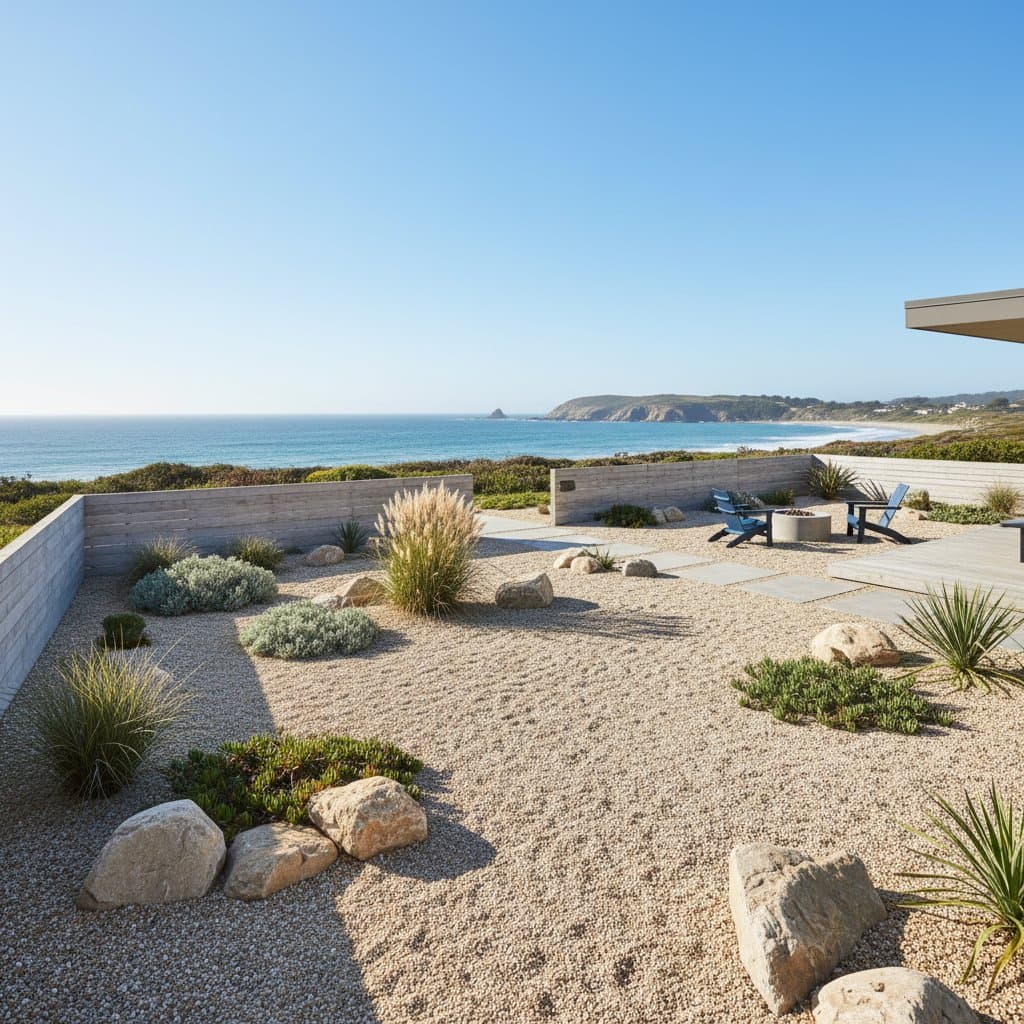
Gravel Yards Reduce Coastal Maintenance Costs by Up to 60 Percent
Coastal homeowners increasingly choose gravel yards over traditional lawns for their style and economic benefits. In regions with high moisture, salt exposure, and unstable soil, gravel installations lower yard maintenance expenses by as much as 60 percent. These reductions stem from minimal watering needs, fewer applications of chemicals, and elimination of regular mowing or trimming.
This guide covers essential aspects of gravel landscaping for coastal properties. It includes detailed cost breakdowns, material selections, design approaches, and tips to develop a resilient, low-effort outdoor space.
Installation Costs for Gravel Yards
Installing a gravel yard generally ranges from three to eight dollars per square foot. Factors such as gravel variety and site preparation influence this price. The national average for a full project, encompassing labor and foundational work, stands at about five dollars per square foot.
In contrast, a grass lawn installs for one to two dollars per square foot but incurs hundreds of dollars annually in upkeep. Gravel options recoup initial investments swiftly. Across five years, they deliver 40 to 60 percent savings in overall yard-related spending.
| Yard Type | Installation Cost (per sq. ft.) | Annual Maintenance Cost | 5-Year Total Cost | Maintenance Savings |
|---|---|---|---|---|
| Grass Lawn | $1 - $2 | $500 - $1,200 | $3,000 - $7,000 | - |
| Gravel Yard | $3 - $8 | $100 - $300 | $3,500 - $5,000 | 40% - 60% |
Although upfront expenses exceed those of grass, the sharp decline in routine care provides enduring financial advantages, particularly where lawns face ongoing environmental stress.
Costs Based on Project Scale
Expenses for gravel yards fluctuate according to the covered area, design intricacy, and gravel selection.
| Project Size | Typical Area (sq. ft.) | Average Cost Range | Description |
|---|---|---|---|
| Small Yard | 200 - 400 | $600 - $3,200 | Suited for side areas, patios, or compact cottages |
| Medium Yard | 500 - 1,000 | $2,500 - $6,000 | Typical for suburban coastal residences |
| Large Yard | 1,500+ | $7,000 - $12,000+ | Encompasses complete yard overhauls with paths and runoff management |
Many owners initiate with targeted areas, like front sections or borders, then extend the gravel application across the entire lot.
Expenses by Gravel Variety
Gravel varieties differ in particle size, finish, and hue, each affecting price and functionality.
| Gravel Type | Cost per sq. ft. Installed | Durability | Aesthetic | Maintenance Level |
|---|---|---|---|---|
| Pea Gravel | $3 - $5 | Moderate | Smooth, ornamental | Low |
| Crushed Granite | $4 - $6 | High | Earthy, organic feel | Very Low |
| River Rock | $5 - $8 | Very High | Sleek, seaside vibe | Very Low |
| Decomposed Granite | $3 - $6 | Moderate | Firm, subtle grain | Low |
| Lava Rock | $6 - $8 | High | Vibrant hue variation | Very Low |
Crushed granite and decomposed granite excel in coastal environments due to superior water permeability and stability against movement. River rock enhances borders or simulated streams with its substantial presence.
Labor Expenses
Labor accounts for 40 to 60 percent of overall project budgets. Rates for expert installation average two to four dollars per square foot, varying with terrain leveling, digging, and material transport.
Key steps in a standard setup include:
- Site preparation: Clearing existing vegetation, weeds, and topsoil.
- Base layer: Laying geotextile fabric and pressing down aggregate for weed suppression and water flow.
- Gravel application: Distributing and smoothing the selected material evenly.
- Border setup: Placing metal, rock, or synthetic barriers to secure the gravel and outline zones.
Engaging landscapers experienced in coastal work guarantees effective compression and water management, vital for avoiding washouts or moisture buildup close to structures.
Elements Affecting Project Expenses
Multiple site-specific elements can adjust the final cost upward or downward.
- Site gradient: Hilly terrain necessitates extra leveling and reinforcement.
- Water management: Saline soils may require channels or pipes to handle excess flow.
- Entry challenges: Restricted vehicle paths extend manual effort.
- Border choices: Ornamental accents like boulders or alloys raise prices while enhancing form.
- Layer thickness: Standard depths of two to three inches suffice, but thicker applications demand more volume.
- Fabric quality: Durable barriers against weeds endure longer at a premium.
- Added elements: Incorporating trails, benches, or garden pockets boosts both time and supplies.
Strategies to Lower Gravel Yard Costs
Owners can reduce expenditures while preserving quality through targeted methods.
- Select gravel from nearby quarries. Local sourcing cuts shipping fees and aligns with regional styles.
- Repurpose on-site items. Fragmented slabs or surplus tiles serve as budget-friendly borders or accents.
- Handle initial clearing independently. Eliminating sod or litter prior to crew arrival trims labor bills.
- Integrate sparse, local flora. Water-wise species add dimension without irrigation setups.
- Phase the work. Prioritize visible zones like entrances, then proceed gradually.
- Purchase wholesale. Bulk cubic-yard deliveries slash individual rates significantly.
DIY Options Versus Professional Services
Small, flat areas lend themselves to do-it-yourself gravel projects. Larger or inclined coastal sites benefit greatly from expert involvement.
| Task | DIY Feasibility | Estimated Savings | Risks of DIY Approach |
|---|---|---|---|
| Site Clearing | High | $200 - $500 | Limited to superficial issues |
| Grading and Compaction | Low | $300 - $800 | Inadequate runoff or irregular levels |
| Gravel Spreading | Moderate | $200 - $400 | Patchy distribution |
| Edging Installation | Moderate | $150 - $300 | Loose material or openings |
| Full Design and Drainage | Low | $0 | Flawed angles leading to wash or pooling |
In coastal contexts, expert water routing proves essential. Faulty slopes risk saturating bases or access points. Skilled contractors secure lasting performance amid rains and dampness.
Pitfalls to Sidestep in Gravel Installations
Steering clear of frequent errors fosters a durable, effortless yard.
- Omitting fabric permits rapid weed invasion and extra work.
- Applying shallow gravel exposes ground and creates inconsistencies.
- Neglecting borders lets material migrate to paths or adjacent lots.
- Overlooking water paths invites soil loss or puddles in sandy bases.
- Combining mismatched sizes yields shaky footing.
Thorough foresight averts these issues and sustains low care over time.
Ecological and Visual Advantages
Gravel yards offer more than fiscal relief; they provide notable sustainability and style gains.
- Water efficiency: No routine sprinkling conserves vast quantities yearly.
- Ground safeguarding: Limits wash and promotes flow in marine-adjacent soils.
- Chemical reduction: Eliminates need for nutrients or toxins.
- Thermal moderation: Bounces back light to ease home warming.
- Design flexibility: Fits contemporary, coastal, or casual motifs.
Pairing gravel with indigenous elements like succulents, yucca, or dune grasses yields layered looks that endure seasonally.
Upkeep Demands
Gravel yards demand far less attention than turf. Yearly tasks typically involve:
- Raking and smoothing: One to two sessions to even out shifts.
- Weed management: Targeted pulling or eco-friendly treatments as needed.
- Material refresh: Sprinkling fresh gravel periodically for uniform depth and tone.
- Litter clearance: Removing foliage or buildup to avoid dirt layers.
Owners invest under two hours monthly, versus ten or more for sod-based yards.
Key Questions on Gravel Yards
Do gravel yards overheat under direct light?
Pale gravels deflect rays and remain temperate, aided by ocean winds. Opt for neutral shades like sands or silvers to curb warmth.
Do gravel yards draw insects?
Bare gravel repels crawlers lacking nourishment. Fabric beneath further blocks nesting.
How durable are gravel yards?
Routine additions sustain them perpetually. They avoid the cycles of replanting or feeding common to grass.
Can gravel integrate with greenery?
Absolutely. It harmonizes with shore-hardy choices such as yucca, thyme, sage, or ground covers that favor lean earth and scant moisture.
Is permitting required for gravel yards?
Basic setups seldom need approval, though verify codes for alterations in elevation, flow, or barriers.
Which gravel suits coastal zones best?
Crushed or broken granite variants hold firm, channel water well, and echo littoral builds.
How to stop gravel displacement?
Firm borders and subtle outward tilts from dwellings secure it. In wetter spots, underlying crushed bases anchor against flows.
Building Your Coastal Gravel Landscape
Transitioning to gravel reshapes yard function beyond visuals. It streamlines routines, eases ecological loads, and yields ongoing economies.
Evaluate your lot's contours, moisture patterns, and light access first. Partner with a coastal-savvy designer to craft a scheme merging utility and allure.
Gravel installations flourish where brine, gusts, and dampness test conventional grounds. This choice yields erosion-resistant, thirst-free spaces that demand little to shine.