
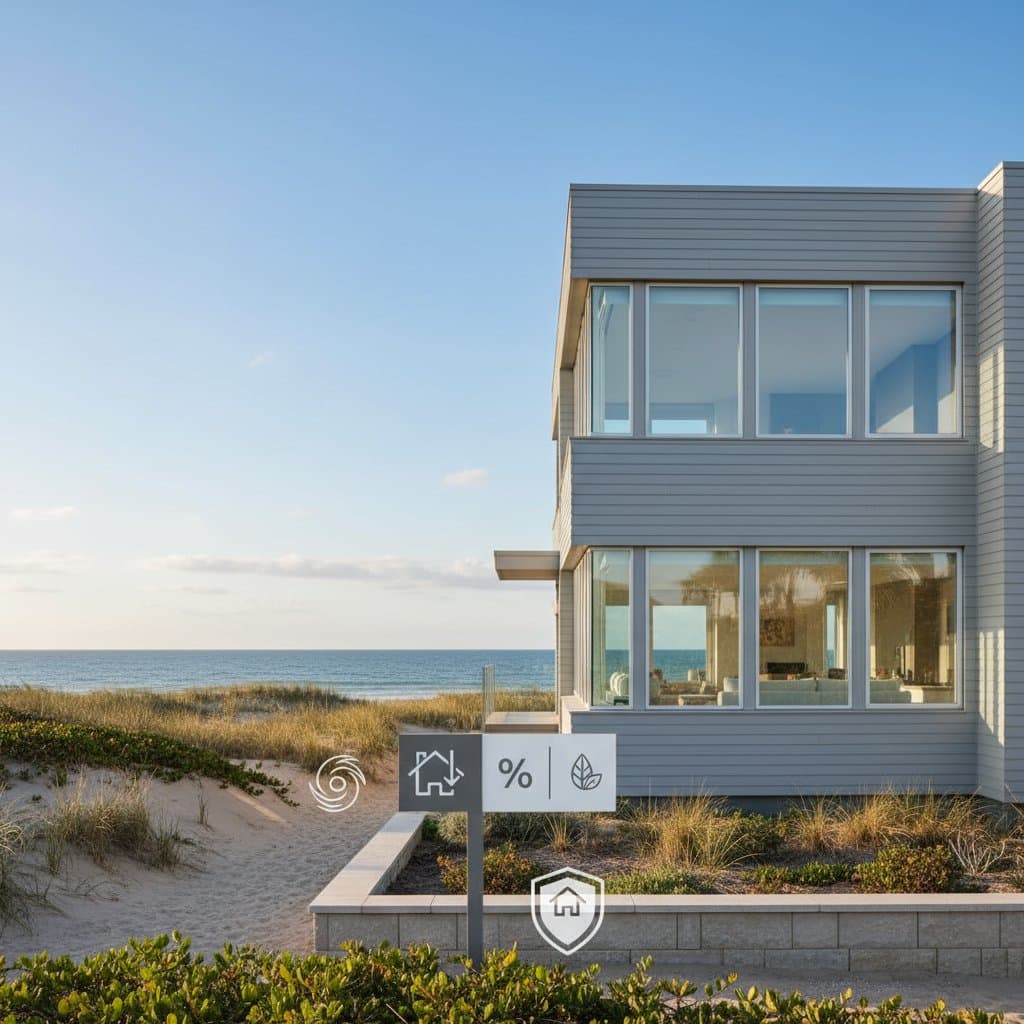
Understanding Fiber Cement Siding for Coastal Homes
Beachfront living offers stunning views and a relaxed lifestyle, yet it exposes homes to harsh environmental challenges. Salt air corrodes materials, high winds batter exteriors, and humidity fosters mold growth. Fiber cement siding emerges as a robust solution that addresses these issues while providing financial benefits through reduced insurance costs.
This material combines cement, sand, and cellulose fibers to create durable panels that mimic wood or other traditional sidings. Homeowners appreciate its low maintenance and resistance to common coastal threats. Insurers recognize these qualities, often lowering premiums for properties equipped with such protective features.
Key Benefits of Fiber Cement in Harsh Coastal Conditions
Fiber cement siding excels in environments where other materials fail. It resists moisture penetration, preventing rot and decay that plague wood sidings in humid, salty air. Panels maintain structural integrity against gale-force winds, a critical factor for beach homes in storm-prone areas.
Fire resistance adds another layer of protection. Unlike vinyl or wood, fiber cement does not ignite easily, which is vital in regions with dry seasons or wildfire risks near coastlines. This non-combustible property enhances overall home safety and appeals to safety-conscious insurers.
Aesthetic versatility allows homeowners to select textures and colors that complement coastal architecture. From smooth finishes to wood-grain imitations, options ensure the siding blends seamlessly with beach house designs. Over time, it retains its appearance without fading or peeling, preserving the home's visual charm.
How Fiber Cement Siding Lowers Insurance Premiums
Insurance companies assess risk based on a home's vulnerability to damage. Coastal properties face elevated premiums due to exposure to storms, flooding, and erosion. Fiber cement siding mitigates these risks, leading to discounts of up to 15 percent on policies.
The material's longevity reduces the likelihood of frequent repairs or replacements after weather events. Insurers view it as a proactive measure that lowers claim payouts. For beach homes, this translates to substantial annual savings, especially in high-risk zones like Southern California coastlines.
To qualify for these reductions, homeowners must install certified products from reputable manufacturers. Coverage details vary by provider, so consulting an agent ensures eligibility. The investment in siding often pays off quickly through these premium adjustments.
Installation Options and Associated Costs
Installing fiber cement siding requires professional expertise to maximize its benefits. Contractors prepare the surface by removing old materials and ensuring proper ventilation to combat moisture buildup. The process involves securing panels with corrosion-resistant fasteners suited for salty environments.
Homeowners choose between lap siding for a classic look or vertical panels for modern appeal. Pre-painted options save time and labor, while custom coloring allows personalization. Installation typically spans one to two weeks, depending on home size and complexity.
Costs range from eight to fourteen dollars per square foot, including materials and labor. Factors influencing price include regional labor rates and the need for additional weatherproofing. For a typical 2,000-square-foot beach home, expect total expenses between sixteen thousand and twenty-eight thousand dollars. Financing options through home improvement loans make this upgrade accessible.
Strategies to Maximize Savings and Durability
Select high-quality fiber cement products engineered for coastal use. Look for those with enhanced water-repellent coatings to further shield against salt spray. Regular inspections every few years identify minor issues before they escalate, extending the siding's lifespan beyond fifty years.
Combine the siding with other protective measures, such as elevated foundations or storm shutters, to amplify insurance discounts. Energy-efficient features, like improved insulation behind the panels, may yield additional rebates. Document all upgrades when renewing policies to secure the full 15 percent reduction.
Maintenance remains straightforward: annual rinsing with fresh water removes salt residue, and touch-up paint preserves color. Avoid abrasive cleaners that could damage the surface. These steps ensure the siding performs optimally, safeguarding both the home and the owner's wallet.
Enhancing Curb Appeal and Long-Term Value
Fiber cement siding elevates a beach home's exterior beyond mere protection. Its clean lines and customizable finishes create an inviting facade that stands out along the shoreline. Potential buyers notice this durability and style, boosting property resale value in competitive coastal markets.
The material's eco-friendly composition appeals to environmentally aware homeowners. It contains no harmful chemicals and supports sustainable building practices. In regions emphasizing green upgrades, such features may qualify for local incentives or tax credits.
Taking the Next Step Toward Coastal Protection
Upgrading to fiber cement siding protects against nature's challenges while delivering tangible financial rewards. Homeowners gain peace of mind from a resilient exterior that withstands coastal rigors. Contact local contractors for assessments and explore insurance quotes to realize immediate savings.
This investment fortifies the home for years of enjoyment. Beach living becomes safer and more affordable with materials designed for the environment. Start planning the upgrade today to enjoy both beauty and security by the sea.