
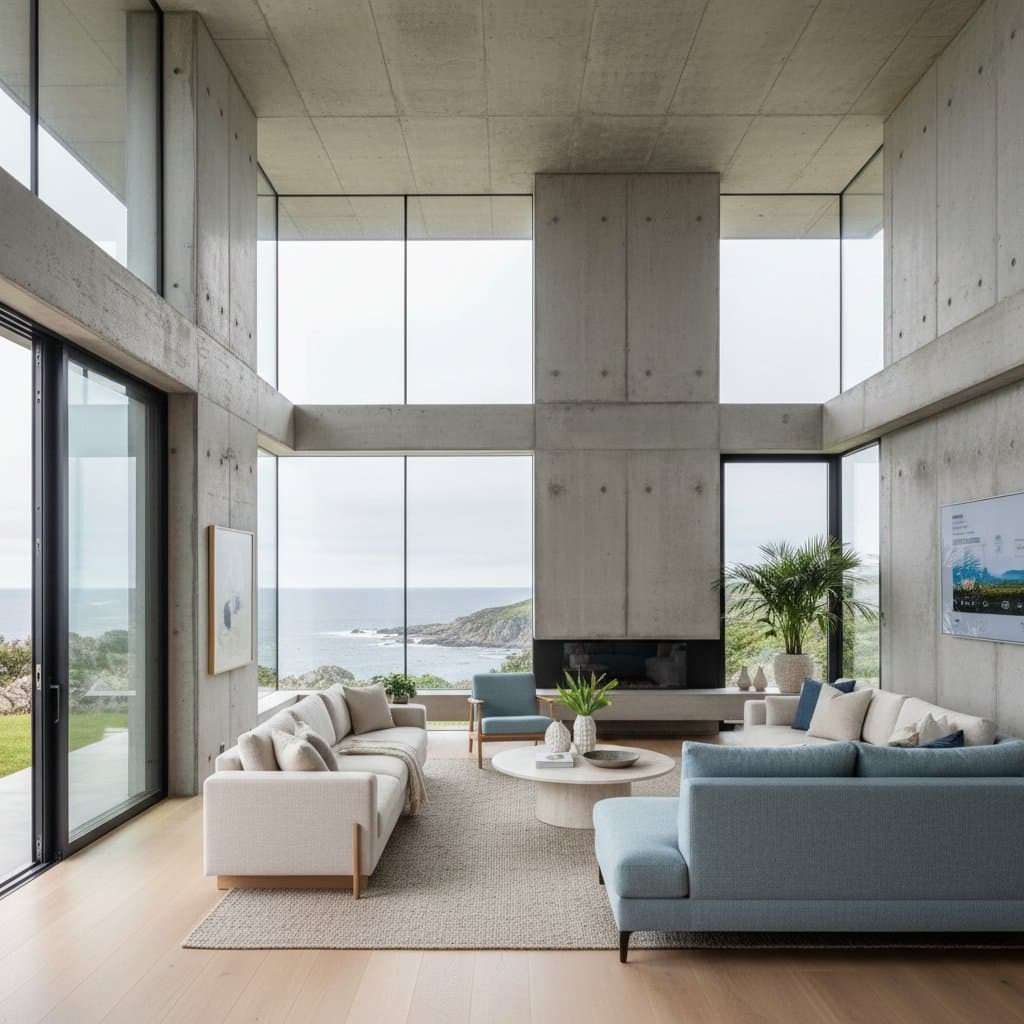
Save Up to 18 Percent on Coastal Home Insurance with Concrete Construction in 2025
Property owners along the coast demonstrate increasing interest in concrete homes due to the superior durability these structures provide, which results in lower insurance premiums. Recent studies indicate that homes constructed with concrete in coastal areas qualify for savings of up to 18 percent on insurance costs when compared to traditional wood-frame homes. Concrete materials excel in resisting wind, moisture, and fire, leading insurers to categorize these properties as lower risk. Homeowners in storm-prone regions such as San Diego realize substantial annual savings, frequently amounting to several hundred dollars.
Individuals planning new coastal builds or renovations benefit from a thorough understanding of how concrete affects insurance rates. Such knowledge enables the design of homes that balance structural strength with long-term financial advantages.
Insurance Cost Breakdown: Concrete Versus Conventional Builds
A comparison of average insurance costs for various coastal home types reveals the potential savings clearly. The table below examines standard mid-sized properties in areas such as San Diego, based on typical coverage for wind and water damage common along the Pacific coast.
| Construction Type | Average Annual Insurance Cost | Potential Savings | Key Attributes |
|---|---|---|---|
| Wood Frame | $2,800 | None | Higher exposure to fire, wind damage, and pests |
| Steel Frame | $2,400 | 8 percent | Better strength but prone to corrosion in marine environments |
| Concrete / ICF | $2,300 | 18 percent | Exceptional defense against storms, fire, and floods |
This data highlights annual savings of $400 to $500 for properties featuring concrete walls and reinforced roofing. Insurers grant these discounts following reviews of engineering reports that evaluate material resilience during severe weather events. For San Diego residents, where wildfires and high winds present significant risks, the choice of concrete directly influences policy affordability.
Exploring Insulated Concrete Forms for Seaside Builds
Insulated Concrete Form (ICF) construction employs polystyrene foam blocks filled with steel-reinforced concrete to form walls that offer excellent insulation alongside structural robustness. This method proves ideal for coastal conditions, as it counters the effects of salt air, humidity, and extreme forces effectively.
Key Advantages of ICF in Coastal Settings
Coastal homeowners select ICF for its array of benefits in demanding environments.
- Energy Savings: ICF walls minimize heat loss, which reduces heating and cooling costs by up to 40 percent through high insulation ratings.
- Soundproofing: The solid construction dampens noise from ocean waves, traffic, or nearby developments, fostering serene interiors.
- Resilience to Forces: Walls support heavy vertical loads and lateral forces from winds or earthquakes, exceeding standard building codes in vulnerable areas.
- Minimal Upkeep: Materials resist cracks, discoloration, and problems such as mold or termite damage, thereby decreasing ongoing maintenance requirements.
- Eco-Friendly Design: ICF utilizes resources efficiently over the long term and qualifies for sustainability certifications, appealing to environmentally conscious buyers.
In San Diego, where temperate weather occasionally gives way to intense storms, ICF pairs seamlessly with features like optimal solar orientation to improve livability while lessening dependence on HVAC systems. Local builders frequently integrate it with impact-resistant components to comply with rigorous seismic and wind standards.
Strategies to Secure Maximum Insurance Savings
Homeowners constructing or upgrading coastal properties can adopt targeted measures to obtain the full 18 percent discount on premiums. These steps focus on preparation, enhancements, and maintenance to bolster risk profiles effectively.
-
Inform Insurers Promptly: Submit detailed blueprints and material specifications when requesting quotes. Insurers verify eligibility via on-site inspections or reports from certified engineers.
-
Pursue Layered Discounts: Integrate concrete-based credits with additions such as storm shutters, impact-rated roofs, or fire suppression systems. In San Diego, these enhancements can elevate total savings above 25 percent.
-
Enhance Windows and Roofs: Choose impact-resistant laminated glass and durable metal or concrete-tile roofing to endure flying debris during storms.
-
Implement Effective Drainage: Design graded yards and install perimeter French drains to channel water away from foundations, preventing erosion and flood-related claims.
-
Build a Documentation Record: Compile photographs, invoices, and professional assessments of upgrades. Present this portfolio to insurers annually to sustain discount eligibility.
-
Partner with Regional Specialists: Collaborate with architects experienced in California coastal codes to incorporate elements like raised foundations that further reduce flood exposure.
Implementing these practices optimizes the financial returns from concrete investments via reliable insurance reductions.
Invest in Concrete for Enduring Coastal Protection
Concrete homes deliver advantages that extend well beyond initial savings, enhancing everyday living and resale value. Owners experience reassurance during storms, as these structures withstand impacts that damage less robust designs. Reduced maintenance allows allocation of resources toward enjoyment rather than repairs.
In San Diego's dynamic seaside market, where climate change amplifies risks, concrete properties draw buyers who value durability above all. This selection promotes resilient, efficient living that endures environmental challenges while safeguarding financial well-being.