
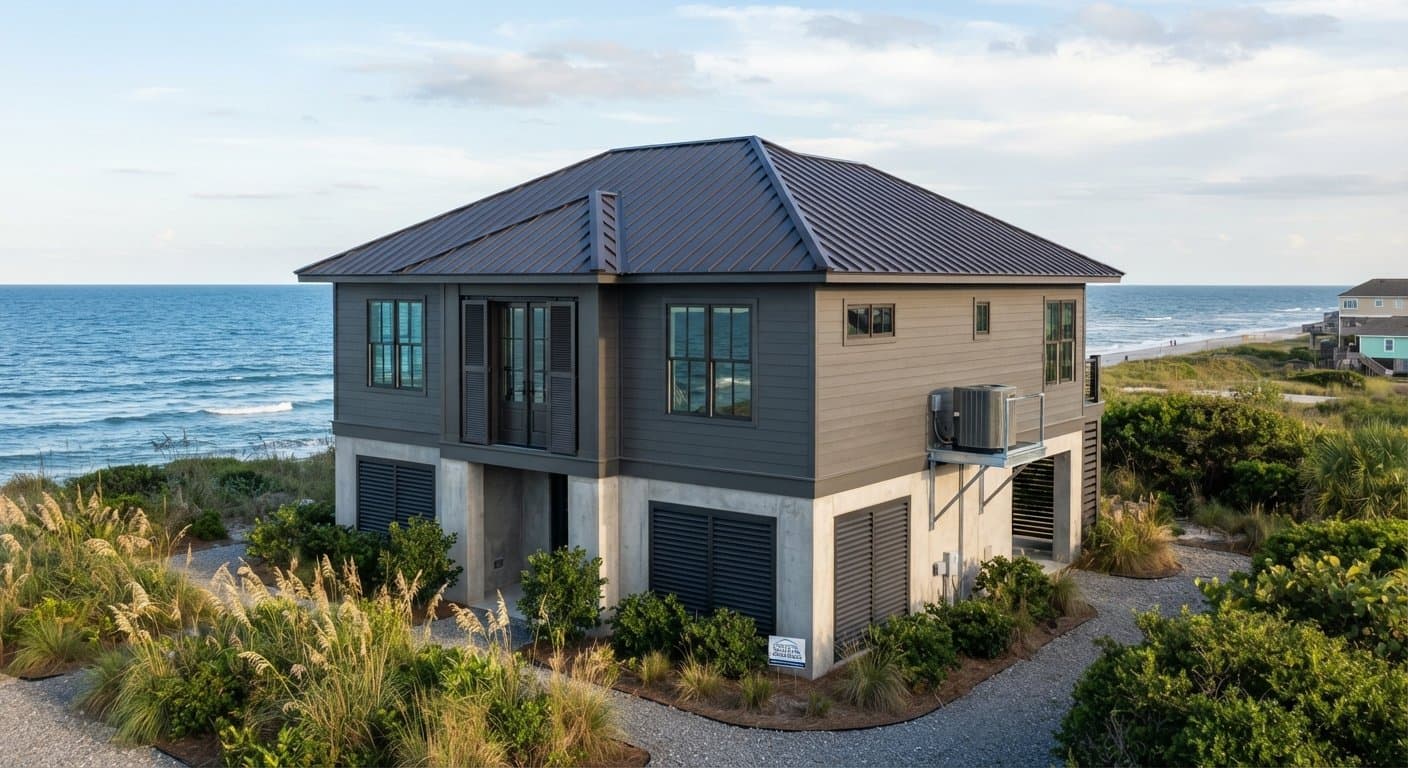
Coastal Remodels That Can Cut Insurance Premiums
A coastal home can offer sea breezes and bright, open views, but salt air, wind, and flooding can also raise insurance concerns. The right coastal remodel may reduce damage risk and, in some cases, help you qualify for an insurance discount. The average cost of a resilience-focused renovation ranges from about $5,000 to $40,000, depending on the work, while savings depend on your insurer, policy, and property.
Start by asking your insurance company which upgrades it recognizes and what documentation it requires. Then compare bids from qualified contractors. Get quotes from top-rated pros for projects that need structural, electrical, or flood-resistance expertise, and confirm permit requirements with your local building department before work begins.
Cost factors
Coastal renovations can cost from $500 to $40,000 or more. A basic roof inspection and minor sealing may cost a few hundred dollars. Reinforcing a roof, replacing windows, or elevating equipment can reach several thousand dollars. The average cost for a combined package of moderate upgrades is about $15,000, though property size, access, and existing conditions make a large difference.
Common project ranges include:
| Upgrade | Typical cost |
|---|---|
| Roof inspection and sealing | $300 to $1,500 |
| Hurricane-rated garage door | $1,500 to $4,500 |
| Impact-rated windows | $700 to $1,500 per window |
| Roof reinforcement or replacement | $8,000 to $25,000 |
| Elevating outdoor HVAC equipment | $1,000 to $4,000 |
| Flood vents or foundation improvements | $2,000 to $10,000 |
Labor, materials, engineering, and permits affect the final bill. Older homes may need repairs before a contractor can install new windows or strengthen the roof. Coastal access, corrosion-resistant fasteners, and specialized equipment can also raise costs.
Insurance discounts are not automatic. Some insurers offer credits for wind mitigation features, while flood insurance pricing follows separate rules and property assessments. Ask for written confirmation that a planned improvement qualifies before you commit to it.
Types and options
Wind-resistant roofing and openings
A securely attached roof, impact-rated windows, and a reinforced garage door can help limit wind and debris damage. Look for products tested to applicable building standards, and ask a licensed contractor to check roof-to-wall connections, flashing, and fasteners. Best for: homes exposed to strong coastal winds or flying debris.
Pros include stronger protection and possible wind-related insurance credits. Cons include substantial upfront costs and the need to match products to local codes. Replacing only one component may not earn a discount if the insurer requires a complete protection package.
Flood-resistant improvements
Flood mitigation can include installing flood vents in eligible enclosures, using water-resistant materials below the expected flood level, and raising electrical panels or HVAC equipment. These measures can reduce repair costs after water intrusion. Best for: properties in mapped flood areas or homes with equipment close to ground level.
Flood vents must meet local requirements and be sized for the enclosure. They don't make a home floodproof, and they may not lower premiums on their own. Ask your insurer and local floodplain official which measures affect coverage or pricing.
Corrosion-resistant exterior details
Salt can damage metal hardware, railings, fasteners, and outdoor mechanical equipment. Marine-grade materials, protective coatings, and regular rinsing can slow corrosion. Best for: homes close to the shoreline, where salt spray reaches exterior surfaces.
This option often costs less than a major structural renovation, but savings are usually indirect. Durable hardware can reduce maintenance and help keep protective features working as designed. Choose materials suited to the exposure, since a product labeled rust resistant may not be suitable for direct salt spray.
DIY versus pro
You can handle simple maintenance, such as clearing gutters, rinsing salt from exterior surfaces, and checking for loose caulk. These jobs are usually easy DIY when you can work safely from the ground. Use a stable ladder only when needed, keep away from power lines, and avoid roof work without proper fall protection.
Structural upgrades, window installation, electrical relocation, and flood vents call for a licensed professional. These projects can affect the building envelope, load paths, or code compliance. A contractor can also provide invoices, product specifications, permits, and inspection records that an insurer may request.
Before hiring, ask whether the contractor has coastal construction experience, carries appropriate insurance, and will obtain required permits. For roof or foundation changes, consider an engineer's assessment. Permit rules vary by city and project, and work in a flood hazard area may need additional review.
Ways to save
- Get the insurer's requirements first. Ask which specific features qualify, and request the information in writing.
- Bundle related work. Installing windows during a broader exterior renovation may reduce labor and setup costs.
- Prioritize the highest-risk areas. A roof assessment can identify weak connections before you invest in cosmetic upgrades.
- Compare detailed bids. Ask contractors to separate labor, materials, permits, and optional work.
- Keep project records. Save permits, inspection reports, product labels, invoices, and photos for your insurer.
Do not choose a cheaper product solely because it looks similar. Ratings, installation details, and code approval matter. A poorly fitted impact window or unpermitted alteration may fail to protect the home and could complicate a claim.
Maintenance and long-term value
Inspect roof edges, flashing, sealants, and exterior hardware after strong wind or heavy rain. Clear gutters and downspouts so water drains away from the foundation. Rinse salt deposits from railings, hinges, and outdoor equipment with fresh water, then look for blistering paint, rust, or loose fasteners.
Check that flood vents remain unobstructed and that raised mechanical equipment stays securely anchored. Keep receipts for repairs and maintenance. These habits cannot guarantee a lower premium, but they help preserve the protective value of a renovation and make it easier to document the home's condition.
Which remodel can reduce coastal home insurance premiums the most?
There is no single upgrade that guarantees the largest discount. Wind-resistant roofs, reinforced openings, and documented wind mitigation measures may qualify for credits with some insurers. Flood-related improvements may help with risk reduction, but flood insurance pricing uses separate criteria. Ask your insurer to evaluate your property and explain which improvements count before choosing a project.
Will impact windows lower my insurance premium?
They may, especially when an insurer recognizes the window rating and the installation meets its requirements. Some companies require protection for all openings, including doors and garage doors, rather than windows alone.
Do flood vents guarantee lower flood insurance costs?
No. Flood vents can help water pass through an eligible enclosed area, reducing pressure on walls, but they do not guarantee a premium discount or prevent all water damage. Their design and placement must meet local rules.
What should I do before starting a coastal renovation?
Call your insurer, check local permit requirements, and arrange a qualified inspection of the roof, openings, foundation, and mechanical equipment. Request written estimates from contractors with relevant coastal experience.