
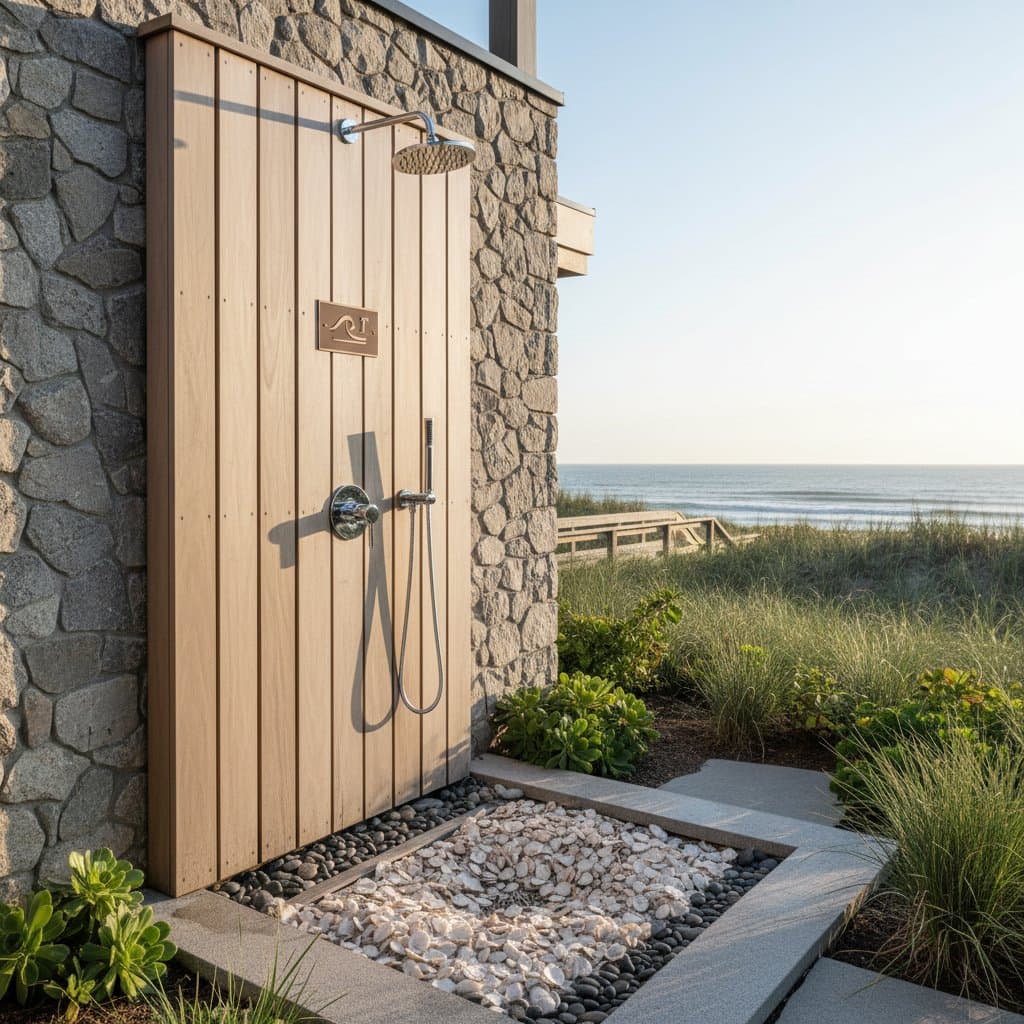
Essential Rules for Coastal Outdoor Showers to Avoid Fines
Building an outdoor shower on a coastal property offers a practical way to rinse off after beach activities. This addition enhances daily life with its open-air convenience. However, strict coastal regulations exist to protect sensitive environments, and violations can lead to significant fines or required removals.
Homeowners must navigate permitting processes, drainage requirements, and material selections carefully. This guide provides detailed steps to ensure compliance while creating a durable, eco-friendly feature. Follow these rules to safeguard your investment and the shoreline.
Navigating Coastal Building Regulations
Coastal areas operate under specialized local and state laws designed to preserve ecosystems. Outdoor showers integrate into broader plumbing and stormwater systems, subjecting them to rigorous oversight.
Reasons for Enhanced Coastal Standards
Shoreline environments feature unique soil types and drainage patterns that amplify pollution risks. Shower runoff may introduce soaps, lotions, and sediments into oceans or wetlands, harming marine habitats. Regulations address these concerns through specific mandates:
- Wastewater must route to approved systems, such as septic connections or greywater treatments.
- Structures require setbacks, typically 10 to 50 feet from dunes, bluffs, or protected zones, depending on local codes.
- Materials must resist corrosion from salty air and moisture.
- All projects demand permits to confirm environmental safeguards.
Building departments collaborate with coastal commissions to review plans. These entities evaluate potential impacts on erosion, water quality, and wildlife.
Initial Steps for Compliance
Contact your local building department or access their online portal to inquire about requirements. Determine if your shower qualifies as a temporary setup, like a portable unit, or a permanent one with fixed plumbing. Permanent designs, including those with concrete bases or piped water, invariably require formal approval.
Prepare a site survey showing elevation, soil type, and proximity to water bodies. This documentation supports permit applications and demonstrates proactive planning.
Designing a Compliant Outdoor Shower
Align your design with regulatory constraints from the outset. This approach minimizes revisions and streamlines approvals.
Optimal Site Selection
Select a position that adheres to setback rules from boundaries and natural elements. Steer clear of:
- Septic systems or leach fields, to prevent contamination.
- Eroding slopes or unstable bluffs, which could undermine stability.
- Flood-prone zones, where water pooling might exacerbate environmental issues.
Integrate with existing utilities whenever feasible. Extending water lines from the home and tying into approved drains reduces complexity and permit hurdles.
Consider solar heating options for energy efficiency, as they often simplify plumbing approvals in eco-sensitive areas.
Durable Material Recommendations
Salt-laden coastal air accelerates deterioration in standard materials. Opt for corrosion-resistant choices to extend lifespan and meet code durability standards:
- Fixtures in stainless steel 316 grade, copper, or brass alloys formulated for marine environments.
- Enclosures using composite materials that mimic wood without splintering or rotting.
- Decking from pressure-treated lumber certified for saltwater exposure, or permeable stone tiles that facilitate drainage.
These selections not only comply with regulations but also lower maintenance needs. Avoid galvanized steel or untreated timber, as they degrade rapidly and may fail inspections.
Ensuring Proper Drainage and Environmental Protection
Effective drainage prevents pollutants from reaching coastal waters, a primary focus of regulatory scrutiny. Systems must filter and contain runoff to avoid fines exceeding thousands of dollars.
Viable Drainage Solutions
Implement one of these approved methods, tailored to your site's soil and water table:
- Greywater integration: Pipe water to the home's treatment system or a dedicated irrigation line for landscape reuse.
- Dry wells: Excavate gravel-lined basins that percolate water slowly into the ground, sized to handle peak flow rates.
- Permeable designs: Install gravel trenches or bioswales lined with native plants to naturally absorb and purify discharge.
Each system accommodates mild contaminants like biodegradable soaps. Consult engineers for calculations on volume capacity, especially in high-rainfall regions.
Preventing Pollutant Discharge
Direct discharge into storm drains or waterways constitutes a violation under clean water acts. Instead, incorporate sediment traps or oil separators for added filtration.
Vegetated buffer strips around the shower area enhance absorption. Regular testing of soil and water post-installation verifies ongoing compliance.
Securing Permits and Scheduling Inspections
Permits form the foundation of legal construction. Even modest projects trigger reviews to protect public resources.
Required Permit Types
- Building permit: Essential for any fixed structure or electrical additions.
- Plumbing permit: Covers water supply lines, valves, and drainage connections.
- Coastal development permit: Mandatory in designated zones, often involving environmental impact assessments.
Submit a detailed site plan illustrating the shower's footprint, elevations, and utility paths. Include material specs and drainage schematics. Processing times vary from two weeks to several months, so apply early.
Engaging Qualified Contractors
Select professionals who possess:
- Valid state contractor licenses and liability insurance.
- Proven track record in coastal projects, verifiable through references.
- Comprehensive proposals outlining timelines, costs, and compliance strategies.
Contractors familiar with local codes can anticipate issues, such as backflow prevention devices required for potable water ties.
Frequently Asked Questions
Does every outdoor shower require a permit?
Plumbed installations connecting to home systems demand permits. Portable, non-plumbed units might bypass this, but verification with authorities remains essential.
What setback distances apply to coastal showers?
Standard property line setbacks range from 3 to 5 feet. Additional coastal buffers, up to 50 feet from sensitive features like dunes, apply in regulated areas.
Are standard soaps permissible in coastal showers?
Prefer biodegradable, phosphate-free alternatives to minimize ecological harm. Conventional products risk fines for contributing to nutrient pollution.
Which flooring options promote drainage and safety?
Choose textured composites, grooved concrete, or natural stone for grip and permeability. These surfaces channel water away while reducing slip hazards.
How to shield fixtures from corrosion?
Select marine-grade alloys and rinse with fresh water after use. Periodic applications of anti-corrosive coatings provide further protection.
Do cold-water showers simplify permitting?
They often do, due to minimal plumbing and lower contamination risks. Drainage and zoning rules persist regardless.
What penalties follow unpermitted installation?
Fines can reach $10,000 or more, plus orders for demolition. Future property sales may face liens or disclosure issues.
Maintaining Compliance for Long-Term Enjoyment
After approval and installation, routine upkeep sustains functionality and regulatory adherence. Inspect seals and drains quarterly to catch wear early.
Clear debris from filtration areas and test water quality annually. These practices preserve the shower's appeal and prevent environmental setbacks.
Thoughtful adherence to these guidelines yields a feature that elevates coastal living responsibly. Your project supports shoreline health while delivering enduring value.