
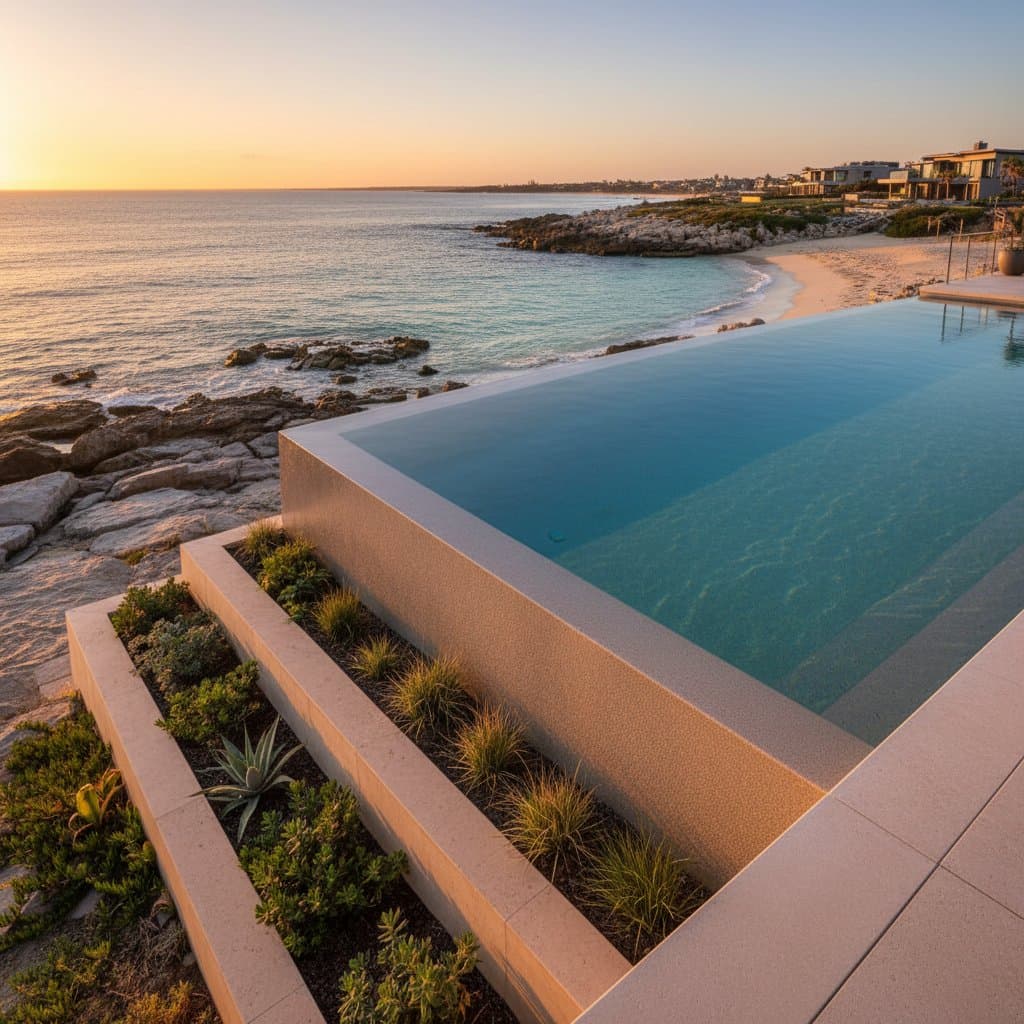
Navigating the Impact of EPA Coastal Regulations on Pool Construction
Coastal homeowners in San Diego face a shifting landscape in backyard upgrades. The Environmental Protection Agency has introduced stringent rules to curb pollution from construction activities near sensitive marine environments. These measures directly affect pool projects, elevating expenses while fostering greater environmental stewardship.
The regulations stem from efforts to protect water quality in coastal zones. Runoff from construction sites can carry sediments, chemicals, and debris into oceans, harming ecosystems. By mandating specific practices, the EPA aims to minimize such risks, ensuring that developments align with broader conservation goals.
Key Elements of the New EPA Rules
The updated guidelines focus on three primary areas: material selection, site management, and water treatment systems. Each component adds layers of compliance that influence overall project budgets.
Sustainable Material Requirements
Builders must now use low-impact materials certified for minimal environmental harm. Traditional concrete and liners often release alkaline substances during curing, which can alter ocean pH levels. Instead, options like permeable pavers and bio-based liners become standard.
These alternatives reduce leaching but come at a premium. For a standard 400-square-foot pool, material costs alone can increase by 20 to 30 percent. Homeowners should consult certified suppliers early to identify cost-effective, compliant products that maintain aesthetic appeal.
Runoff and Erosion Controls
Controlling stormwater runoff represents a major shift. Sites within 500 feet of the shoreline require silt fences, retention basins, and vegetated buffers to capture pollutants before they reach the sea. Installation of these features demands additional engineering and labor.
In San Diego's variable terrain, such systems prevent soil erosion during excavation. While effective, they extend timelines by two to four weeks and add $15,000 to $25,000 to expenses. Proper implementation not only satisfies regulators but also prevents fines that could exceed $10,000 per violation.
Enhanced Filtration and Chemical Management
Pools must incorporate advanced filtration to handle backwash and overflow without contaminating groundwater. Traditional chlorine systems give way to saltwater or UV purification methods, which require specialized equipment.
These upgrades ensure cleaner discharge, aligning with EPA water quality standards. Initial setup costs for such systems range from $10,000 to $20,000, but they lower long-term maintenance by reducing chemical use. Selecting energy-efficient models can offset some investments through utility savings.
Breaking Down the Cost Surge
The combined effect of these rules translates to a baseline increase of $65,000 for a mid-sized coastal pool. Basic projects that once cost $50,000 now approach $115,000, with luxury installations reaching $120,000 or more.
Labor accounts for 40 percent of the rise, as workers need training in eco-compliant techniques. Permitting fees have doubled in many jurisdictions, reflecting heightened scrutiny. Homeowners can mitigate this by budgeting for phased construction, starting with foundational compliance elements.
Regional factors in San Diego amplify the impact. Proximity to protected areas like Torrey Pines or La Jolla Shores triggers even stricter oversight, potentially adding 10 percent to totals. Early site assessments by environmental consultants, costing $2,000 to $5,000, reveal these nuances and streamline approvals.
Benefits Beyond the Price Tag
Higher upfront costs yield substantial returns in durability and sustainability. Compliant pools resist corrosion from saline air, extending lifespans by 15 to 20 years. Integrated green features, such as native landscaping, enhance biodiversity and boost property appeal.
Marine ecosystems gain direct protection, preserving the coastal allure that defines San Diego living. Cleaner waters support tourism and fisheries, benefiting the community at large. For homeowners, these pools become assets that align with rising demand for eco-friendly homes, potentially increasing resale values by 5 to 10 percent.
Actionable Steps for Compliant Pool Building
Homeowners can approach these changes strategically to balance costs and compliance. Begin with a thorough property evaluation to map out regulatory boundaries.
-
Engage a licensed architect specializing in coastal projects. They will integrate EPA requirements from the design phase, avoiding costly redesigns.
-
Explore financing options tailored to green construction. Local incentives, such as rebates for water-efficient systems, can recover up to 15 percent of expenses.
-
Select builders with EPA certification. Verify their portfolio for similar projects to ensure expertise in sustainable practices.
-
Incorporate smart technologies. Automated monitoring for water quality and runoff reduces ongoing compliance efforts.
-
Plan for maintenance from day one. Annual inspections, budgeted at $500 to $1,000, keep systems optimal and regulators satisfied.
These steps transform regulatory hurdles into opportunities for innovative, resilient designs.
Embracing Sustainable Coastal Living
The EPA's rules mark a pivotal moment for coastal development in San Diego. While pool costs climb, the investments secure enduring benefits for properties and the environment alike. Homeowners who prioritize compliance today position themselves for a future of enhanced enjoyment and ecological harmony.
Forward-thinking planning turns potential challenges into strengths. Consult local experts to tailor solutions that fit individual needs, ensuring every pool project contributes positively to the shoreline's vitality.