
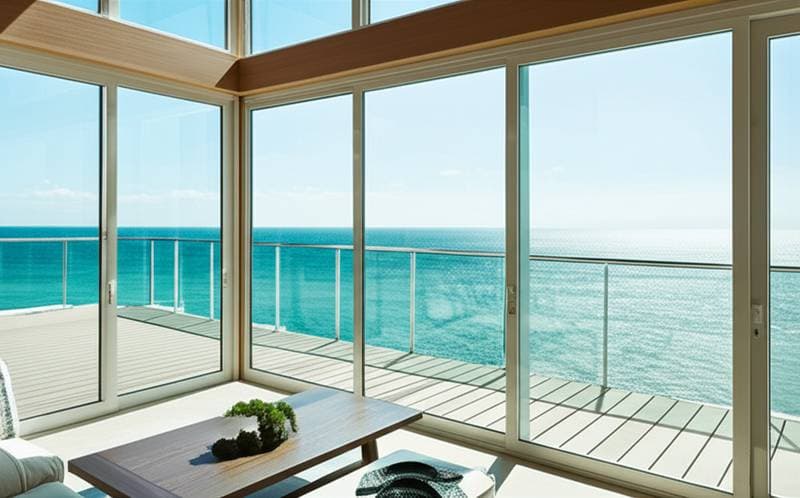
Hurricane-Proof Open Plans with Impact Glass
Open floor plans invite abundant light, foster family connections, and create a liberating sense of space that appeals to many homeowners. In coastal areas prone to hurricanes, however, expansive glass walls and fluid layouts often spark worries about vulnerability to high winds and debris. Impact glass addresses these challenges effectively, enabling residents to embrace airy designs while fortifying their homes against severe storms.
Understanding Impact Glass and Its Benefits
What Impact Glass Is
Impact glass, also known as hurricane glass, represents a robust window and door solution engineered to endure extreme conditions. This material features two glass panes laminated with a durable polyvinyl butyral interlayer. Upon impact, the outer layer may fracture, but the interlayer holds fragments in place, preserving the home's integrity and averting sudden pressure shifts that could worsen storm damage.
Why Coastal Homes Need It
In regions susceptible to tropical storms, impact glass serves as an essential safeguard beyond mere aesthetics. It shields against shattered panes, flooding, and compromised structures during hurricanes. Beyond immediate protection, this technology delivers ongoing advantages, including:
- Substantial noise attenuation from gusty winds or coastal traffic
- Superior thermal performance through enhanced insulation and airtight construction
- Heightened burglary resistance due to its difficulty in breaching
- Effective ultraviolet blocking to safeguard interiors from sun-induced discoloration
Designing an Open Floor Plan That Can Handle a Storm
Balancing Openness and Strength
Expansive layouts typically incorporate vast window arrays, few dividing walls, and effortless transitions to outdoor spaces. To render such designs storm-resilient, integrate robust structural elements and wind-load considerations. Collaborate with architects and engineers versed in local hurricane regulations to align framing, anchoring, and glazing with stringent building codes.
Smart Placement of Glass Walls
Position impact glass thoughtfully to optimize safety without curtailing views. Consider these approaches:
- Install oversized panels on leeward sides, away from dominant wind directions.
- Segment extended glass runs with sturdy mullions or steel reinforcements.
- Incorporate operable vents in less exposed zones for natural airflow while upholding overall resilience.
Choosing the Right Frames
Frames play a pivotal role in the system's performance, complementing the glass's durability. Select corrosion-resistant options such as extruded aluminum with thermal breaks, rigid vinyl composites, or fiber-reinforced polymers certified for high-velocity hurricane zones. These choices accommodate substantial glass weights, resist saltwater exposure, and maintain sleek profiles suitable for contemporary architecture.
Steps for Incorporating Impact Glass into a Coastal Remodel
1. Assess Your Home’s Exposure
Evaluate site-specific risks by mapping wind paths, proximity to shorelines, and potential projectile sources. Prioritize glazing on seaward facades or elevated terrains where debris impact proves most likely.
2. Set a Realistic Budget
Expect impact glass installations to command a premium over conventional alternatives, with costs influenced by panel dimensions, manufacturer quality, and bespoke features. National averages for standard replacements fall between $800 and $2,500 per window, escalating for custom large-format doors. Factor in labor for certified fitting, which ensures code compliance and warranty validity.
3. Work with Certified Contractors
Engage professionals holding licenses in hurricane-rated installations, backed by verifiable credentials and client testimonials. Their expertise guarantees precise alignment of gaskets, fasteners, and structural ties, maximizing the assembly's wind resistance up to 150 mph or more.
4. Secure Permits and Inspections
Window upgrades in hurricane districts necessitate regulatory approval to verify adherence to standards like those from the International Building Code. Delegate paperwork to your contractor, followed by third-party reviews to affirm the work's safety and durability.
5. Plan for Aesthetic Integration
Contemporary impact solutions avoid cumbersome appearances through narrow sightlines, multi-panel sliders, and subtle shading options. Coordinate hardware tones and edge details with interior palettes and exterior cladding to achieve harmonious, unobtrusive elegance.
Maintaining and Caring for Impact Glass
Routine Cleaning
Maintain clarity by washing surfaces with a solution of lukewarm water and non-abrasive detergent, applied via microfiber applicators. Rinse thoroughly and dry to prevent streaks, performing this task quarterly to preserve optical quality.
Inspecting Seals and Frames
Conduct biannual examinations for hairline fissures, eroded caulking, or shifted hardware. Address minor issues promptly with manufacturer-recommended sealants to sustain weatherproofing and operational smoothness.
Protecting the Investment
Supplement inherent strength with removable hurricane panels or impact-resistant films during forecast warnings. These additions provide redundant layers, enhancing occupant confidence without permanent alterations.
Frequently Asked Questions
What makes impact glass different from regular tempered glass?
Tempered glass fragments into granular bits upon force, potentially allowing entry points for wind and rain. Impact glass, by contrast, retains its form via lamination, blocking penetration and mitigating secondary hazards like flying shards.
Does impact glass affect energy bills?
Indeed, its multicomponent build enhances R-value insulation, curbing solar gain and conductive losses. Homeowners in subtropical climates often realize 10 to 20 percent reductions in utility expenses, contingent on orientation and supplementary efficiencies.
Can impact glass be installed in existing window openings?
Retrofitting suits most scenarios where rough openings conform to load-bearing specs. Specialists evaluate jamb integrity and may recommend supplemental bracing to accommodate the added mass without invasive reconstruction.
Are there design limitations with impact glass?
Advancements yield diverse configurations, from fixed transoms to folding screen walls, all rated for extreme events. Tailored engineering accommodates curved or angled applications, preserving architectural intent.
How long does impact glass last?
Quality installations endure 20 to 30 years or longer under vigilant upkeep. The PVB core defies degradation from humidity and solar exposure, while frames benefit from galvanic protections against environmental wear.
Do insurance companies offer discounts for impact glass installations?
Many providers grant 5 to 15 percent policy rebates for verified wind-mitigation upgrades. Consult your agent for qualification criteria and documentation needs to unlock these financial incentives.
Can impact glass reduce outside noise?
The composite structure dampens transmissions effectively, achieving sound transmission class ratings of 35 to 45 decibels. This proves particularly beneficial in locales with persistent wave crashes or vehicular hum.
Achieving Secure, Spacious Living in Coastal Climates
Impact glass empowers homeowners to realize expansive, luminous interiors fortified against nature's fury. Through informed material selection, expert collaboration, and diligent care, coastal dwellings blend vulnerability with vitality. Residents gain enduring assurance, unhindered vistas, and efficient comfort tailored to resilient lifestyles.