
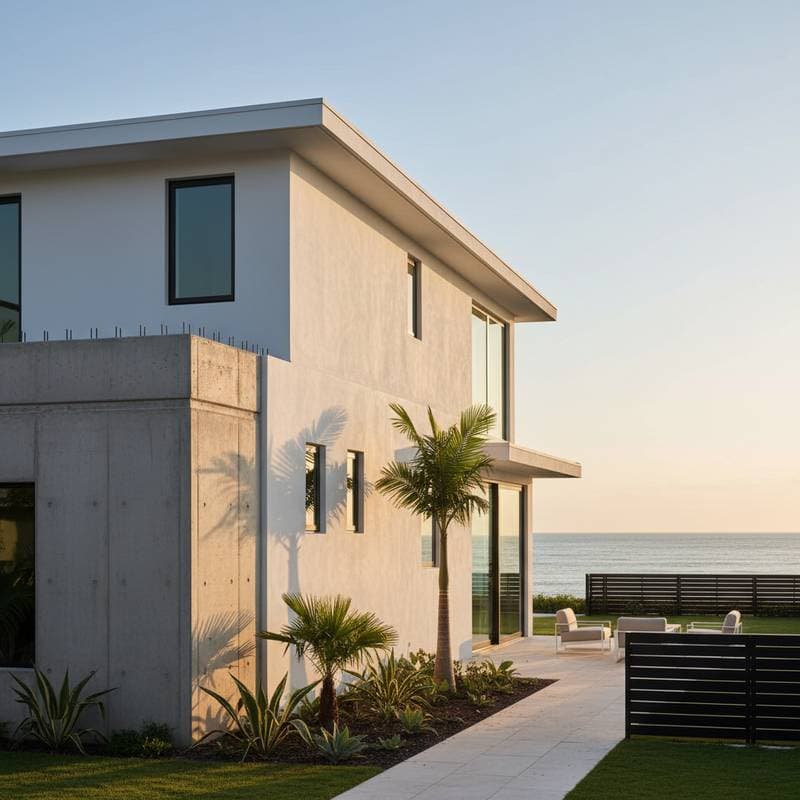
Why Stucco is Replacing Siding in Coastal Concrete Homes
Coastal homeowners reevaluate conventional siding choices for their concrete structures. In beachside communities and waterfront areas, stucco emerges as the favored exterior finish. This material delivers enduring durability, effective moisture resistance, and a cohesive visual style that surpasses what traditional siding provides. Residents of coastal cities such as San Diego benefit from stucco's ability to endure salt-laden air, elevated humidity levels, and prolonged sunlight exposure, combining practical performance with attractive design.
Application costs for stucco on concrete homes typically range from $6 to $9 per square foot, influenced by factors like texture, finish, and color selections. This price point exceeds that of vinyl or fiber cement siding in some cases, yet the prolonged service life and reduced ongoing care frequently result in superior overall value.
Cost Comparison: Stucco vs. Traditional Siding
Choices between stucco and siding hinge on initial expenses, upkeep requirements, and durability. The following table presents a general overview of costs and performance for materials commonly applied to coastal concrete homes.
| Exterior Material | Average Cost per Sq. Ft. | Expected Lifespan | Maintenance Level | Coastal Performance |
|---|---|---|---|---|
| Stucco | $6 - $9 | 50+ years | Low | Excellent |
| Vinyl Siding | $4 - $7 | 25 - 35 years | Moderate | Fair |
| Fiber Cement | $5 - $10 | 30 - 40 years | Moderate | Good |
| Wood Siding | $6 - $11 | 20 - 30 years | High | Poor |
Stucco involves a potentially greater initial outlay, but the diminished frequency of repainting or full replacements balances the equation across years of use.
Common Stucco Finishes for Concrete Homes
Property owners select from diverse stucco textures and finishes to align with their home's architectural character.
| Finish Type | Texture Description | Typical Look | Maintenance Notes |
|---|---|---|---|
| Smooth Finish | Flat, refined appearance | Modern or Spanish Revival | Requires precise application |
| Sand Finish | Subtle grain texture | Coastal and Mediterranean | Easy to repair and repaint |
| Dash Finish | Rough, speckled pattern | Traditional or rustic homes | Hides surface imperfections |
| Acrylic Finish | Synthetic, flexible layer | Contemporary designs | Excellent color retention |
Environmental and Energy Benefits of Stucco
Stucco extends beyond mere durability to offer tangible environmental and energy efficiencies, rendering it suitable for eco-conscious coastal residences.
Thermal Regulation
Stucco reflects solar rays effectively while retaining cooler indoor air. Combined with concrete's inherent properties, it functions as thermal mass to maintain steady internal temperatures. Many owners observe lower expenses for air conditioning during peak summer periods.
Eco-Friendly Composition
Stucco derives from plentiful natural resources such as limestone and sand, yielding a smaller ecological impact compared to manufactured siding options. Contemporary versions incorporate recycled materials or pigments with low volatile organic compounds to support sustainable building practices.
Noise Reduction
Concrete homes finished with stucco encounter reduced external sounds. The solid barrier absorbs vibrations from vehicles, gusts of wind, or ocean waves, fostering quieter living spaces.
Long-Term Maintenance and Care
Stucco demands little ongoing attention, though periodic checks ensure optimal condition.
Maintenance Tips
- Wash annually with a garden hose or low-pressure washer to clear salt deposits and accumulated dust.
- Seal minor hairline cracks promptly using flexible exterior sealants to block moisture entry.
- Repaint or recoat every 10 to 15 years to renew appearance and protective features.
- Verify proper drainage by confirming that gutters and downspouts channel water away from stucco areas.
Adhering to these practices extends the finish's lifespan to several decades with limited effort.
FAQs About Stucco for Coastal Concrete Homes
Q: How long does stucco last on a concrete home?
A: When installed correctly, stucco endures beyond 50 years through regular cleaning and basic upkeep.
Q: Is stucco waterproof?
A: Stucco resists water penetration but remains breathable. It repels the majority of rainfall while permitting vapor escape to avoid internal condensation.
Q: Can stucco crack in humid coastal climates?
A: Minor cracks may develop, yet reinforcement meshes and adaptable coatings minimize risks of significant damage.
Q: Can I paint over stucco?
A: High-quality paints designed for masonry or elastomeric coatings effectively update hues and enhance water repellency.
Safeguarding Coastal Home Value with Stucco
Selecting stucco for a concrete home near the shore invests in sustained strength and elegance. This finish merges robust weather resistance with enduring design, addressing the specific challenges of seaside conditions.
For those in coastal regions, transitioning from siding to stucco elevates not only aesthetics but also structural integrity and market worth. Homes exposed to saline mists, strong breezes, or persistent dampness gain reliable shielding and unified style through this choice.