
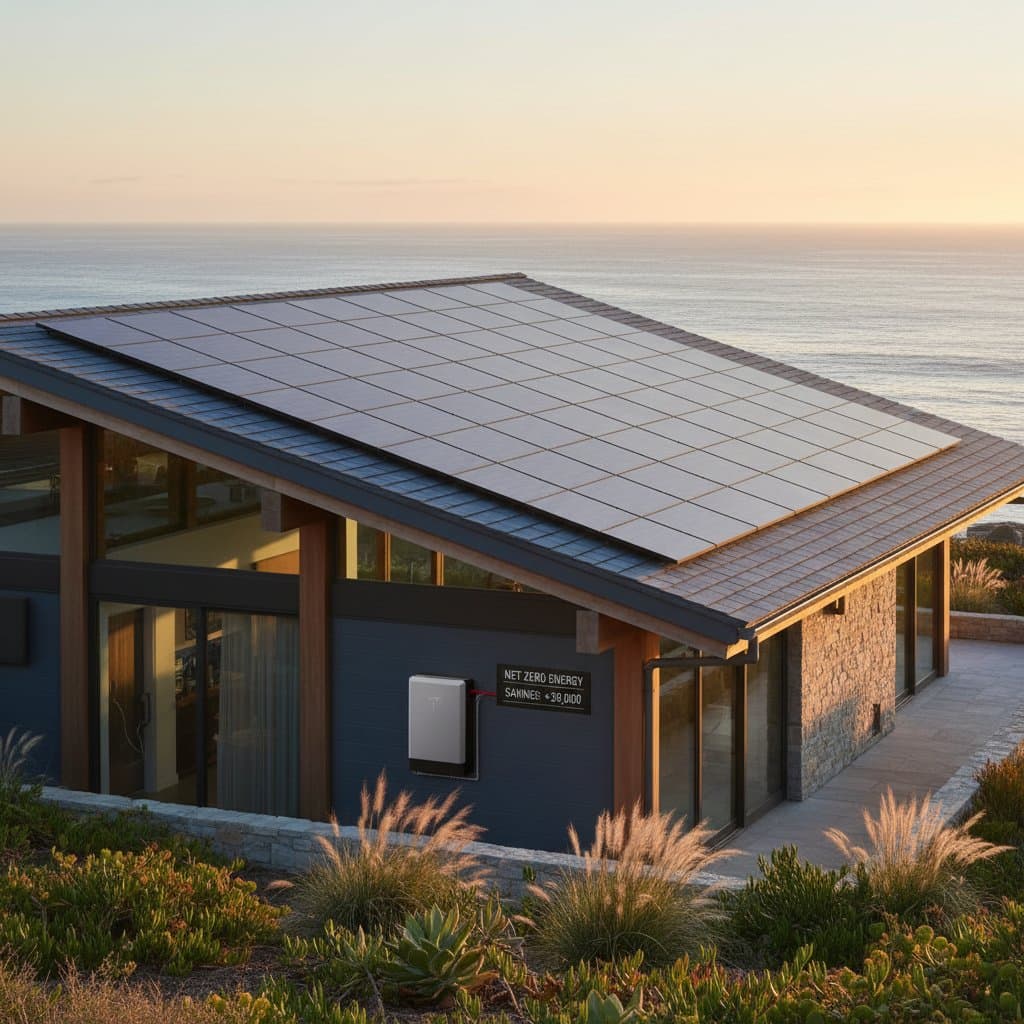
Solar Shingles: Coastal Upgrades That Deliver Lasting Returns
Solar shingles represent a significant advancement in energy-efficient home improvements for coastal properties. These innovative materials combine the protective function of traditional roofing with the ability to harness sunlight for electricity production. Homeowners in areas with high solar exposure, such as San Diego, benefit from reduced reliance on grid power and enhanced resilience against environmental challenges.
The initial investment for installing solar shingles on a standard coastal residence falls between $20,000 and $40,000, depending on roof size and system capacity. This expense covers materials, labor, and integration with existing electrical infrastructure. In sun-rich climates, the system generates substantial energy savings, often offsetting 40% to 70% of monthly electricity needs. Federal tax credits, state rebates, and local incentives further accelerate the return on investment, allowing many owners to recover costs within 10 to 12 years.
Understanding Solar Shingles
Solar shingles, also known as photovoltaic roof tiles, mimic the appearance of conventional asphalt or composite shingles while embedding solar cells to capture sunlight. Each tile features monocrystalline or polycrystalline cells that convert photons into direct current electricity, which an inverter then transforms into usable alternating current for the home. This dual-purpose design eliminates the need for bulky rooftop panels, preserving aesthetic appeal and roof space.
Installation involves laying the shingles in an overlapping pattern, similar to standard roofing, with wiring routed through the structure to connect to the main electrical panel. Professional assessment ensures compatibility with the home's energy demands and local building codes. Once operational, the system requires minimal upkeep, such as occasional cleaning to remove salt residue in coastal environments.
Key specifications include:
- Energy production: 10 to 18 watts per square foot under optimal conditions
- Efficiency rating: 15% to 22%, comparable to high-end solar panels
- Weight: Approximately 2 to 3 pounds per square foot, suitable for most roof structures
!(image-placeholder)
Calculating Return on Investment
The financial appeal of solar shingles lies in their multifaceted benefits, which extend beyond immediate utility savings. In San Diego, where average annual sunlight exceeds 260 days, a typical 5-kilowatt system can produce over 7,000 kilowatt-hours yearly. At current electricity rates of about $0.30 per kilowatt-hour, this translates to annual savings of $2,000 to $2,500.
Property value appreciation adds another layer of return. Appraisals indicate that homes with integrated solar features command premiums of 3% to 5%, or $15,000 to $25,000 for a $500,000 property. Environmental advantages, such as a reduced carbon footprint equivalent to planting 100 trees annually, appeal to buyers seeking sustainable living options.
To estimate personal payback, homeowners should factor in upfront costs minus incentives, divided by projected annual savings. For instance, after a 30% federal tax credit reduces a $30,000 installation to $21,000, and with $2,200 in yearly savings, full recovery occurs in roughly 9.5 years. Post-payback, the system continues generating free energy for its remaining lifespan.
| Benefit Category | Estimated Annual Value | Long-Term Impact |
|---|---|---|
| Energy Bill Reduction | $1,500 to $3,000 | Covers 40% to 70% of usage over 25 years |
| Property Value Boost | $10,000 to $30,000 at resale | Increases marketability in eco-focused markets |
| Incentive Recovery | $5,000 to $10,000 initial | Shortens payback through rebates and credits |
| Maintenance Savings | $200 to $500 | Low upkeep compared to traditional roofs |
Addressing Common Concerns with Solar Shingles
Prospective installers often question performance in variable weather. Solar shingles maintain functionality on cloudy days, generating 75% to 90% of peak output depending on cloud density. Advanced models incorporate micro-inverters to optimize production from each tile individually, minimizing losses from shading or debris.
Durability remains a priority for coastal installations. Manufacturers engineer these shingles to resist corrosion from salt air and endure winds up to 130 miles per hour, meeting stringent standards like those from the International Building Code. Impact resistance against hail and flying debris ensures longevity, with many products backed by 25-year warranties on both power output and material integrity.
Integration with smart home systems enhances usability. Many solar shingles pair with monitoring apps that track energy production in real time, allowing owners to adjust consumption patterns for maximum efficiency. Battery storage options, such as lithium-ion units, store excess power for evening use, further amplifying savings during peak rate periods.
Frequently asked questions:
- What financing options exist for solar shingles? Loans, leases, and power purchase agreements spread costs over time, often with 0% interest through utility programs.
- Do they qualify for net metering? Yes, excess energy fed back to the grid earns credits, reducing bills in low-sun months.
- How do they compare to traditional solar panels? Shingles offer superior aesthetics and roof protection but may have slightly lower efficiency per square foot.
Steps to Integrate Solar Shingles into Your Coastal Roof
Begin the process by consulting a certified solar installer for a site evaluation, which assesses roof orientation, shading, and energy usage. Obtain quotes from multiple providers to compare warranties, efficiency ratings, and total costs. Apply for permits and incentives early to streamline approval.
During installation, expect a 1- to 3-day timeline for most homes, with minimal disruption to daily routines. Post-installation, monitor system performance and schedule annual inspections to maintain optimal output. This proactive approach ensures the shingles deliver reliable energy for decades, aligning with goals of financial security and environmental stewardship.
Homeowners who adopt solar shingles position themselves for substantial long-term gains. The synergy of cost recovery, aesthetic enhancement, and sustainable energy production transforms routine home maintenance into a strategic asset, particularly in vibrant coastal communities like San Diego.