
Save 30% on Solar Shingles Compared to 2024 Prices
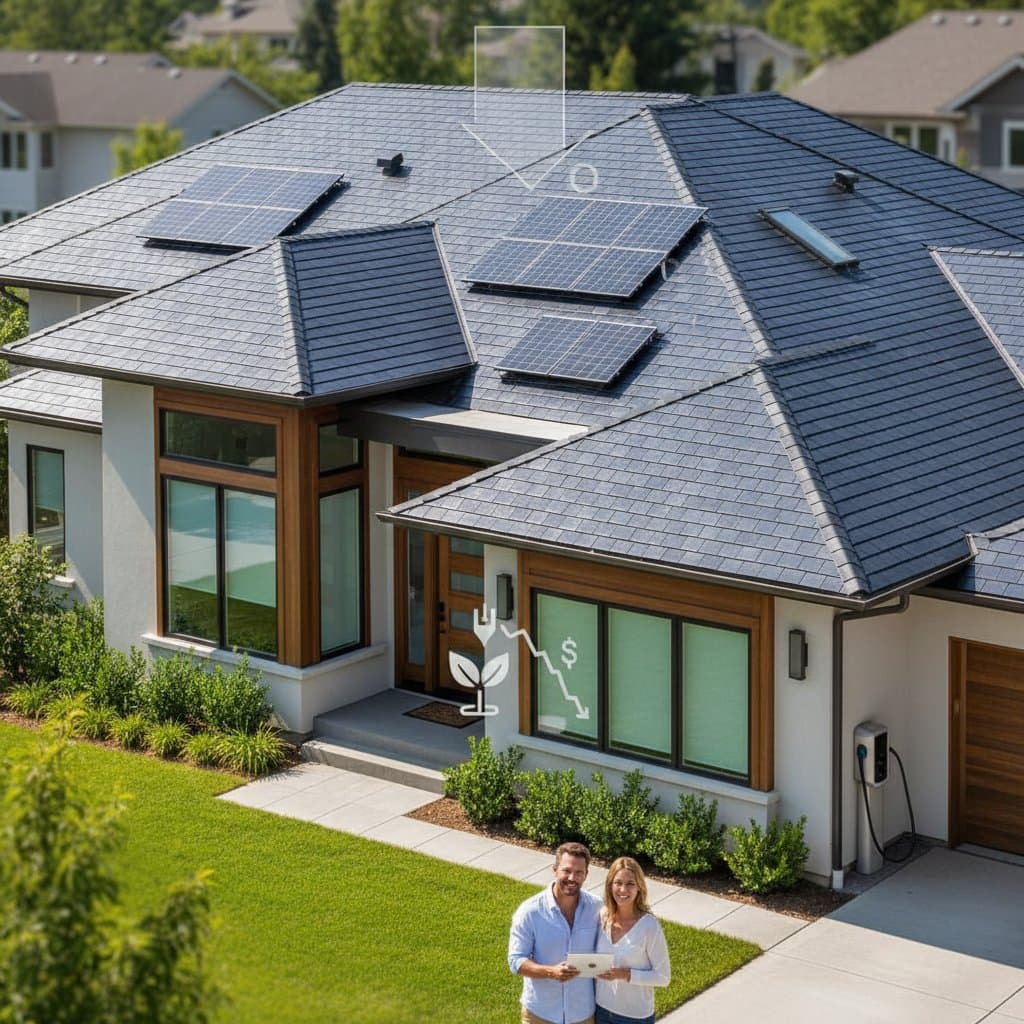
Imagine a roof that shields your home from weather while generating electricity. Solar shingles make this possible. These innovative tiles resemble standard roofing materials yet produce renewable power. Prices have fallen by nearly 30% since 2024, creating an accessible entry point for homeowners. If you plan a roof replacement or home improvement, consider this technology for long-term returns.
This article details current costs, comparisons to traditional panels, and strategies to maximize savings. Explore installation approaches, from professional services to limited preparation tasks. To begin, request estimates from qualified solar and roofing specialists to calculate potential benefits.
Article Overview
- Cost factors
- Types and options
- DIY versus professional installation
- Strategies to reduce expenses
- Frequently asked questions
Cost Factors
Solar shingles generally range from $15,000 to $35,000 for a typical residential roof, averaging $25,000. This represents a notable decline from 2024 levels, driven by reduced manufacturing expenses and improved solar cell efficiency.
Key elements shape the final price. Roof dimensions and pitch determine the quantity of shingles required and the complexity of labor. Material variations, such as tempered glass versus durable polymer blends, affect durability and cost. Shingles with greater wattage output command higher prices but deliver more electricity. Factor in permits, which vary by location, and labor, typically spanning three to five days for standard installations. Federal tax credits and state rebates often lower net expenses by as much as 30%.
To estimate your project, measure your roof area in square feet and multiply by current per-square-foot rates, around $20 to $40. Consult local codes early to avoid surprises.
Types and Options
Solar shingles fall into two primary categories: integrated photovoltaic shingles and overlay shingles. Integrated versions fully replace existing roofing, embedding solar cells directly into the structure. Overlay types attach to current roofs without full removal, simplifying retrofits.
Integrated shingles suit new constructions or complete roof overhauls, providing a uniform appearance that enhances curb appeal. They integrate wiring beneath the surface for a streamlined design. Overlay shingles appeal to budget-conscious owners, as they avoid demolition costs and install faster, often in one to two days.
Both options generate 10 to 20 watts per square foot, depending on the model. Select based on your roof's condition and aesthetic goals. For example, integrated systems excel in sunny climates with ample roof space, while overlays work well for partial upgrades.
Advantages include a discreet profile, sustainable energy production, and warranties up to 25 years. Drawbacks involve initial investment and occasional need for roof strengthening to support added weight, around 2 to 3 pounds per square foot.
Image credit: Smith Collection / Getty Images
DIY Versus Professional Installation
Solar shingle installation requires specialized skills due to electrical integration, weatherproofing, and compliance with building standards. Professionals handle these aspects to safeguard performance and eligibility for warranties.
Certified contractors assess your roof's load-bearing capacity, secure electrical connections to the grid or batteries, and apply sealants to prevent leaks. This expertise minimizes risks like fire hazards or structural damage. Expect costs of $5,000 to $10,000 for labor alone on an average project.
Homeowners with experience can prepare the site by removing debris or old materials, reducing overall fees. However, connecting the system to your home's electrical panel demands licensed electricians. Always verify installer credentials through state licensing boards.
Strategies to Reduce Expenses
- Integrate roofing and solar work during a single project to consolidate labor charges and streamline scheduling.
- Apply for incentives such as the federal Investment Tax Credit, which covers 26% of costs, plus any utility rebates in your area.
- Opt for efficient mid-tier models that provide solid output without premium pricing, often yielding payback in seven to ten years.
- Solicit bids from at least three contractors to negotiate competitive rates and identify bundled services.
- Time your project for winter or early spring, when demand dips and providers offer promotional pricing.
Additional steps include evaluating energy audits to size your system precisely, avoiding overproduction. Pair with energy-efficient appliances to amplify bill reductions, potentially saving $1,000 annually.
Frequently Asked Questions
Do solar shingles suit every roof type?
They adapt well to asphalt and composite surfaces. Slate or clay tile roofs might require reinforcements or adapters for secure mounting.
What is the lifespan of solar shingles?
These products endure 25 to 30 years, matching premium roofing durability. Routine inspections every five years maintain optimal function.
Can solar shingles supply power to an entire home?
Sufficient roof area and sunlight enable full coverage for average households. Supplement with storage solutions like lithium-ion batteries for nighttime use and energy autonomy.
Steps to Launch Your Solar Shingle Project
A 30% price reduction positions solar shingles as a practical enhancement. This upgrade increases property value by up to 4%, lowers utility expenses, and contributes to environmental goals. Contact local experts for site evaluations, review incentive programs, and envision reliable, self-sustaining power from your rooftop.