
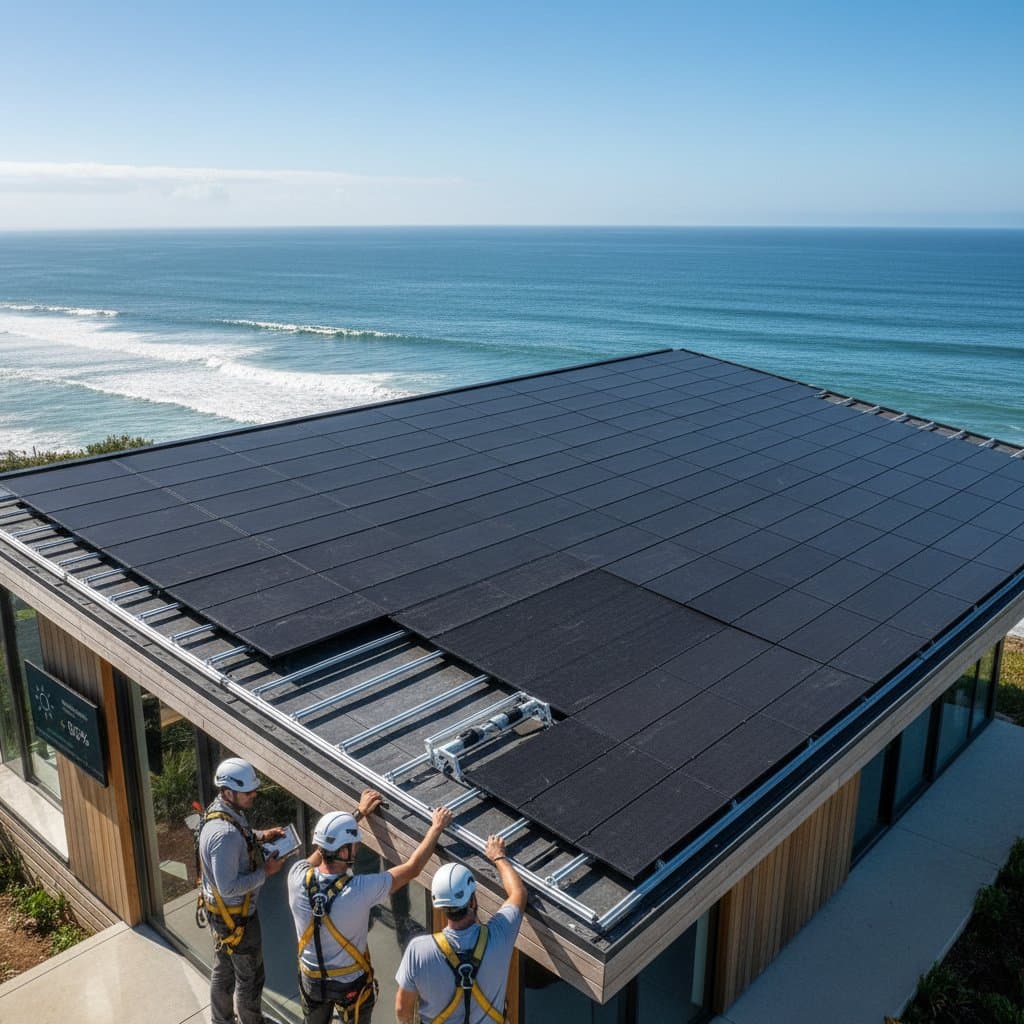
Understanding Solar Shingles for Coastal Homes
Solar shingles represent an advanced roofing solution that integrates photovoltaic technology directly into roofing materials. Unlike traditional solar panels, these shingles blend seamlessly with the roofline, providing a uniform appearance while capturing sunlight to produce electricity. For coastal properties, this technology proves particularly valuable due to its engineered resistance to harsh environmental factors.
In areas prone to salty air and frequent storms, standard solar installations often face accelerated wear. Solar shingles, however, feature protective coatings and robust construction that withstand corrosion and extreme weather. This durability ensures long-term performance without compromising the visual appeal of oceanfront homes.
Key Benefits for Seaside Properties
The primary advantage lies in substantial energy cost reductions. A well-designed system can offset 80 to 85 percent of a household's electricity needs, translating to significant annual savings. For a typical coastal home consuming 10,000 kilowatt-hours yearly, this equates to avoiding thousands of dollars in utility payments over the system's lifespan.
Beyond financial gains, solar shingles enhance home resilience. They maintain structural integrity during high-wind events, with many models certified to endure gusts exceeding 110 miles per hour. Additionally, by generating clean energy on-site, these systems reduce carbon footprints and contribute to broader environmental sustainability efforts in vulnerable coastal ecosystems.
Aesthetic integration adds another layer of appeal. Homeowners avoid the bulky look of mounted panels, preserving panoramic views of the sea. This discreet design often increases property values, as buyers seek modern, energy-efficient features in waterfront real estate.
Costs and Financial Considerations
Initial investment for solar shingles varies based on roof size, system capacity, and location-specific factors. For a standard 2,000-square-foot coastal roof, expect costs between $40,000 and $60,000 before incentives. This includes materials rated for marine environments and labor from certified installers familiar with regional building codes.
Federal tax credits, such as the 30 percent solar investment tax credit, substantially lower the net expense. State rebates and local utility programs in coastal areas may provide further reductions, potentially bringing payback periods down to 7 to 10 years. Long-term savings accumulate quickly, with many owners recouping costs through reduced bills and potential energy sales back to the grid.
To estimate personal savings, calculate current annual electricity expenses and multiply by the expected offset percentage. Tools from solar providers can refine these projections by factoring in local sunlight hours, which average 5 to 6 peak hours daily in sunny coastal zones.
The Installation Process
Professional installation ensures optimal performance and compliance with safety standards. Begin with a comprehensive site assessment to evaluate suitability. Key preparatory steps include:
- Conducting an electrical inspection to verify inverter compatibility and grid-tie options.
- Performing a structural review to confirm roof load capacity supports the added weight of shingles.
- Reviewing and documenting wind and fire ratings to meet local coastal regulations.
Once approved, the team prepares the site by removing old roofing if necessary. For overlay installations on newer roofs, existing shingles provide a stable base. Technicians then lay out the solar-integrated tiles, connecting them via microinverters that optimize individual shingle output.
Safety protocols remain paramount throughout. Installers disconnect the home's power supply prior to any wiring work. They employ insulated tools, gloves, and full-body harnesses when operating on sloped or elevated surfaces. In coastal settings, extra attention goes to sealing edges against moisture intrusion.
The process typically spans 3 to 5 days for a full roof replacement, depending on weather conditions. Post-installation, a final inspection activates the system and confirms interconnection with the utility meter.
Maintenance and Longevity Tips
Solar shingles require minimal upkeep compared to traditional panels. Annual visual inspections check for debris accumulation, especially salt residue from ocean spray. Gentle cleaning with fresh water and a soft brush restores efficiency without damaging protective layers.
Monitor system performance through integrated apps that track energy production. Schedule professional checkups every 5 years to tighten connections and replace any underperforming components. With these practices, efficiency holds steady above 80 percent for the first 20 years.
In humid coastal climates, vigilance against mold or algae growth proves essential. Ensure proper ventilation beneath the roof to prevent moisture buildup. These proactive measures extend the system's 25- to 30-year warranty period.
FAQs
How long do solar shingles last?
Most systems endure 25 to 30 years. Efficiency declines gradually, yet output stays reliable through routine maintenance and inspections.
Can solar shingles withstand coastal storms?
High-quality models handle winds up to 120 miles per hour or more. Secure installation and weatherproof sealing prevent damage during intense events.
Do solar shingles require direct sunlight all day?
Shading impacts output, but microinverters enable independent operation per tile. This setup sustains production despite intermittent shadows from trees or structures.
Can I add solar shingles to an existing roof?
Overlay options suit roofs in excellent condition. Older or compromised roofs benefit from complete replacement with integrated solar shingles for superior results.
How much energy can I expect to produce?
A 6-kilowatt system on a typical coastal home offsets 80 to 85 percent of yearly electricity, influenced by roof angle, direction, and local climate.
Steps to Achieve Energy Independence
Solar shingles transform coastal living by merging reliable power generation with environmental resilience. Engineered for salt, wind, and humidity challenges, they offer enduring style and efficiency.
To proceed, evaluate your roof's condition and daily sunlight exposure. Contact certified solar roofing experts versed in coastal installations for personalized quotes. Select systems with proven track records in marine environments.
Upon completion, experience consistent electricity, diminished utility costs, and alignment with sustainable practices. The sun now fuels your home as effectively as ocean winds inspire coastal adventures.