
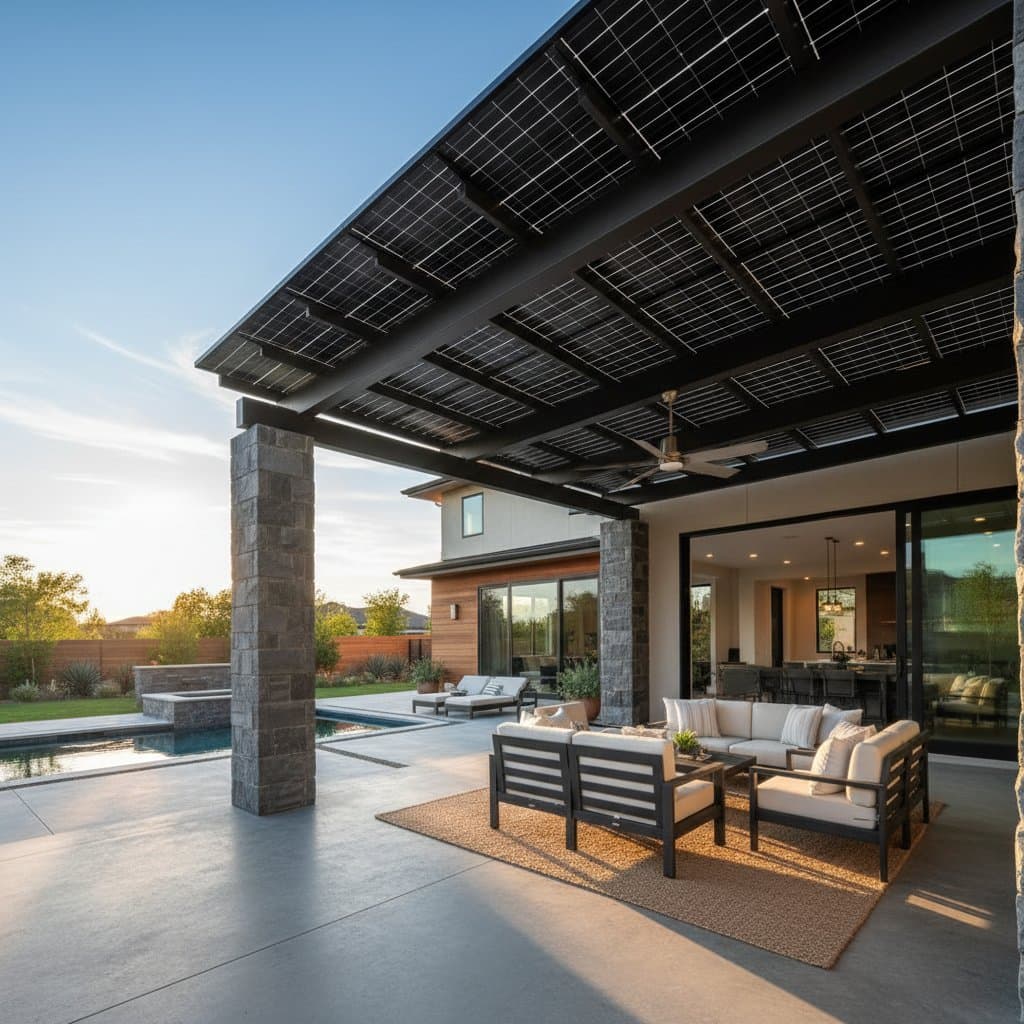
Introduction to Solar Pergolas
Solar pergolas represent an innovative blend of architecture and renewable energy technology. These structures feature photovoltaic panels integrated into open-roof frameworks, providing shade for outdoor areas while harnessing sunlight to produce electricity. In regions like San Diego, where abundant sunshine prevails, solar pergolas offer homeowners a practical solution to enhance comfort and reduce utility expenses.
The appeal lies in their dual functionality. They create inviting shaded retreats for relaxation and gatherings, all while contributing to a home's energy needs. As sustainable living gains prominence, these installations align with broader goals of efficiency and environmental responsibility.
Key Benefits of Installing a Solar Pergola
One primary advantage is the generation of clean energy. Depending on size and location, a solar pergola can produce sufficient electricity to power household appliances, outdoor lighting, or even charge electric vehicles. This offsets reliance on traditional grid power, leading to noticeable reductions in monthly bills.
Beyond energy savings, these structures elevate outdoor aesthetics. Customizable designs allow integration with existing patios, gardens, or pool areas, adding architectural interest without overwhelming the landscape. The shaded environment remains cooler, extending usability during hot afternoons.
Environmental impact cannot be overlooked. By producing renewable energy on-site, solar pergolas decrease carbon footprints and support local sustainability initiatives. In San Diego, where solar incentives are available, the long-term returns make this investment particularly worthwhile.
Design Options for Every Space
Solar pergolas come in various configurations to suit different preferences and yard sizes. Freestanding models offer flexibility for standalone installations, while attached versions connect to homes or walls for added stability and visual cohesion. Retractable roofs provide adjustable shade levels, accommodating changing weather conditions.
Material choices influence both durability and appearance. Aluminum frames resist corrosion and require minimal maintenance, ideal for coastal climates like San Diego's. Wood options, such as cedar or redwood, deliver a natural warmth but demand periodic sealing to withstand elements.
Panel integration varies as well. Semi-transparent solar panels allow diffused light to pass through, maintaining brightness under the structure. Opaque panels maximize energy output but create denser shade. Consulting with designers ensures the selection matches specific needs for functionality and style.
Understanding Costs and Financing
Initial expenses for a solar pergola typically range from $5,000 to $20,000, depending on size, materials, and features. A basic 10-by-10-foot aluminum model with standard panels might cost around $8,000, while custom designs with smart controls can exceed $15,000. These figures include panels, framing, and basic wiring.
Installation adds to the total, often $2,000 to $5,000, covering labor and permits. However, federal tax credits, such as the 30% solar investment tax credit, can offset a significant portion. State and local rebates in California further reduce upfront costs, making payback periods as short as five to seven years.
Ongoing maintenance remains low. Panels require occasional cleaning, and frames benefit from annual inspections. Over time, energy production yields savings of $500 to $1,500 annually, depending on usage and sunlight hours.
Installation Process Step by Step
Planning begins with site assessment. Evaluate sun exposure, wind patterns, and soil conditions to determine the optimal location and foundation type. Professionals use tools like solar calculators to estimate energy yield based on your latitude and roof angle.
Permitting follows, as most municipalities mandate approvals for structural and electrical work. In San Diego, contact the local building department early to streamline the process. Expect inspections at key stages to ensure compliance with safety codes.
Construction typically spans one to three days. Crews assemble the frame, secure the panels, and connect wiring to an inverter and home system. Grid-tied setups allow excess power to feed back to the utility, potentially earning credits through net metering programs.
Strategies to Maximize Savings
-
Assess energy needs first: Calculate your household's consumption to size the pergola appropriately, ensuring it aligns with peak usage times.
-
Choose high-efficiency panels: Opt for monocrystalline solar cells, which convert more sunlight into electricity compared to polycrystalline alternatives.
-
Incorporate energy storage: Pair the pergola with batteries to store surplus power, providing backup during evenings or outages.
-
Select mid-range materials: Aluminum framing offers longevity and lower costs than hardwood, balancing durability with affordability.
-
Obtain multiple quotes: Compare at least three local solar installers to secure competitive rates and tailored services.
-
Leverage incentives: Research current rebates and tax credits through resources like the Database of State Incentives for Renewables and Efficiency.
-
Monitor performance: Use integrated apps to track output and optimize usage, adjusting habits for greater efficiency.
These steps ensure the project delivers optimal financial and environmental returns.
Frequently Asked Questions
How much electricity does a solar pergola produce?
A mid-sized unit generates about 2 to 4 kilowatts, sufficient to offset a portion of a household's energy use depending on sunlight exposure. Larger installations can reach 6 kilowatts or more, covering a greater share of needs. Factors like panel orientation and seasonal variations influence actual output.
Do I need a permit?
Yes. Most cities require a building permit and electrical inspection, especially when connecting to the utility grid. Local regulations vary, so verify requirements with your municipal office to avoid delays.
Can solar panels make my patio too dark?
No. The panels filter sunlight to create pleasant dappled shade, keeping the space comfortable without complete darkness. Adjustable or semi-transparent options allow customization of light levels to suit preferences.
What is the lifespan of a solar pergola?
Structures last 20 to 30 years, with panels warranted for 25 years at 80% efficiency. Regular maintenance extends usability, ensuring reliable performance over decades.
Are solar pergolas suitable for renters?
Portable or modular designs offer flexibility for temporary setups, though permanent installations require landlord approval. They provide value without major alterations in many cases.
Steps to Launch Your Project
Begin by measuring your outdoor area and noting sun patterns throughout the day. Review design inspirations online or visit showrooms to visualize possibilities. Contact certified installers for consultations, providing details on your goals and budget.
Prepare documentation for permits and financing applications concurrently. Once approvals arrive, schedule installation during favorable weather. After completion, monitor the system's performance and adjust as needed to fully realize the benefits.
This approach transforms a simple shade solution into a comprehensive upgrade. Homeowners enjoy reduced bills, enhanced spaces, and peace of mind from sustainable choices. In San Diego's sunny climate, solar pergolas deliver enduring value for modern living.