
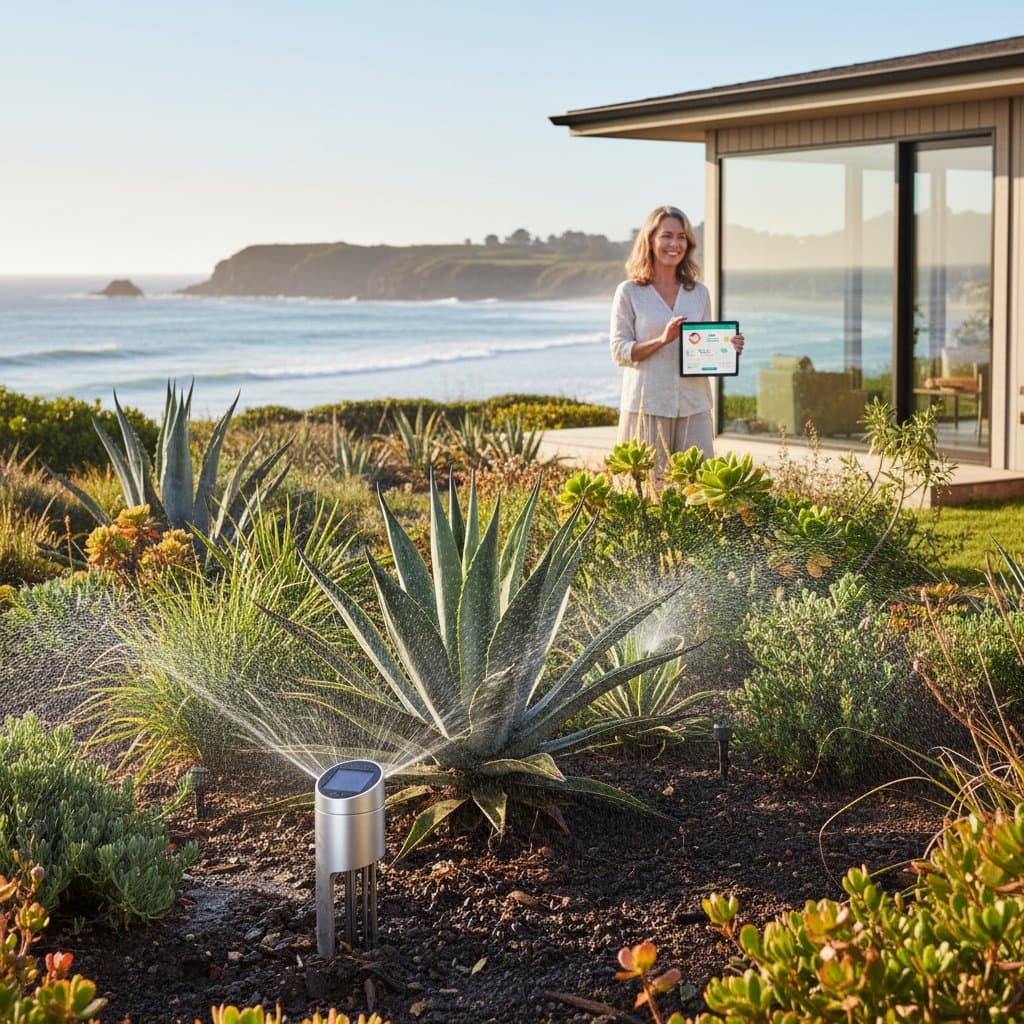
Micro-Climate Sensors Reduce Irrigation by 60 Percent for Coastal Homes
Coastal environments present unique challenges for lawn and garden maintenance, with factors such as ocean breezes, frequent fog, and uneven sunlight creating distinct micro-climates even within short distances. Traditional irrigation methods often fail to account for these variations, leading to excessive water use and patchy results. Micro-climate sensors address this issue by providing precise, data-driven control that can decrease irrigation needs by up to 60 percent, resulting in greener landscapes and lower utility bills.
These devices integrate seamlessly into existing systems, offering coastal residents an effective way to optimize water application while enhancing overall yard health. By responding to real-time environmental data, they prevent overwatering and ensure that every drop serves a purpose. Homeowners report not only financial benefits but also improved plant resilience in the face of salty air and variable weather.
Key Advantages
- Sensors deliver real-time adjustments to irrigation based on weather patterns and soil status.
- Coastal properties gain the most from this technology due to localized climate differences.
- Savings range from 50 to 60 percent relative to conventional timer-based watering.
- Compatibility with standard sprinkler systems allows for simple retrofitting.
- Implementation supports broader efforts in water conservation within coastal regions.
Understanding Micro-Climate Sensors
Micro-climate sensors consist of compact units designed to monitor specific environmental factors, including temperature, humidity levels, solar radiation, wind speed, and soil moisture content. Positioned strategically around the yard, they collect data continuously and communicate it to a central controller. This setup contrasts sharply with basic timers, which operate on predetermined schedules regardless of actual conditions.
In coastal settings, where morning fog might saturate the soil naturally or afternoon sun could accelerate evaporation, these sensors detect such nuances. For instance, a sensor in a shaded corner might signal reduced watering needs compared to one in a full-sun exposure. The outcome is targeted hydration that matches the precise requirements of grass, shrubs, and flowers, minimizing waste and maximizing efficiency.
Mechanisms for Water Conservation
Precision forms the core of how micro-climate sensors achieve dramatic reductions in water consumption. Conventional systems frequently apply water uniformly, ignoring recent rain events or high humidity that already moistens the ground. Sensors bridge this gap by delivering immediate insights, allowing the irrigation controller to pause or shorten cycles as needed.
Essential Features Promoting Efficiency
- Soil Moisture Probing: Devices insert probes into the earth to gauge wetness levels, halting irrigation once the soil achieves ideal hydration to avoid saturation.
- Evapotranspiration Calculation: Sensors track the rate at which plants transpire water and soil evaporates it, then compute and supply only the necessary replacement volume.
- Precipitation and Humidity Response: Built-in rain gauges and humidity readers identify incoming moisture from showers or coastal mist, postponing scheduled watering accordingly.
- Zone-Specific Management: Multiple sensors enable individualized control for various yard areas, such as drought-tolerant natives in one section versus thirstier turf in another.
To enhance usability, connect the system to a Wi-Fi-enabled controller. This connection provides mobile app access for monitoring usage trends, receiving low-water alerts, and making manual overrides when desired.
Installation and Financial Considerations
Setting up micro-climate sensors requires minimal disruption and suits both novice and experienced homeowners. Begin by mapping your yard's zones to determine sensor placement, typically one per irrigation area. Most units attach to existing pipes or stakes, with wiring to the controller taking under an hour for basic configurations.
Costs depend on system scale, but rebates from local water authorities often cover a portion of expenses for qualifying installations.
| Installation Approach | Approximate Cost Range | Projected Annual Savings |
|---|---|---|
| Self-Guided Setup | $150 to $350 | 40 to 50 percent |
| Expert-Assisted | $400 to $900 | 50 to 60 percent |
The initial investment recoups rapidly, often within one growing season, as monthly water bills drop noticeably. For a typical coastal home with moderate landscaping, savings can exceed $200 annually, depending on local rates and usage patterns.
Additional Advantages for Landscapes and Ecosystems
Water efficiency extends beyond mere conservation to foster superior plant performance. Excess moisture invites root rot and fungal diseases, whereas insufficient supply weakens growth. Sensors maintain equilibrium, encouraging deep root development that better withstands drought and salt exposure common in seaside areas.
Environmentally, reduced runoff carries fewer nutrients and sediments into nearby waterways, safeguarding marine habitats and reducing algae blooms. Coastal communities benefit from these collective actions, as aggregated savings contribute to aquifer replenishment and compliance with conservation mandates. Healthier yards also demand less fertilizer, further lessening ecological impacts.
Steps to Upgrade Your Irrigation System
Evaluate your present setup by checking the controller's compatibility with add-on sensors; many older models support upgrades via simple adapters. Select sensors rated for outdoor durability, focusing on those certified for accuracy in humid conditions. Consult irrigation professionals for site assessments, and inquire about utility rebates that can subsidize up to 50 percent of costs.
Once installed, monitor the system's performance through provided dashboards to fine-tune settings for your specific plants and soil type. Regular calibration ensures ongoing accuracy, adapting to seasonal shifts like summer heat or winter rains. This proactive approach transforms routine maintenance into a streamlined process, yielding a yard that flourishes with optimal resources.