
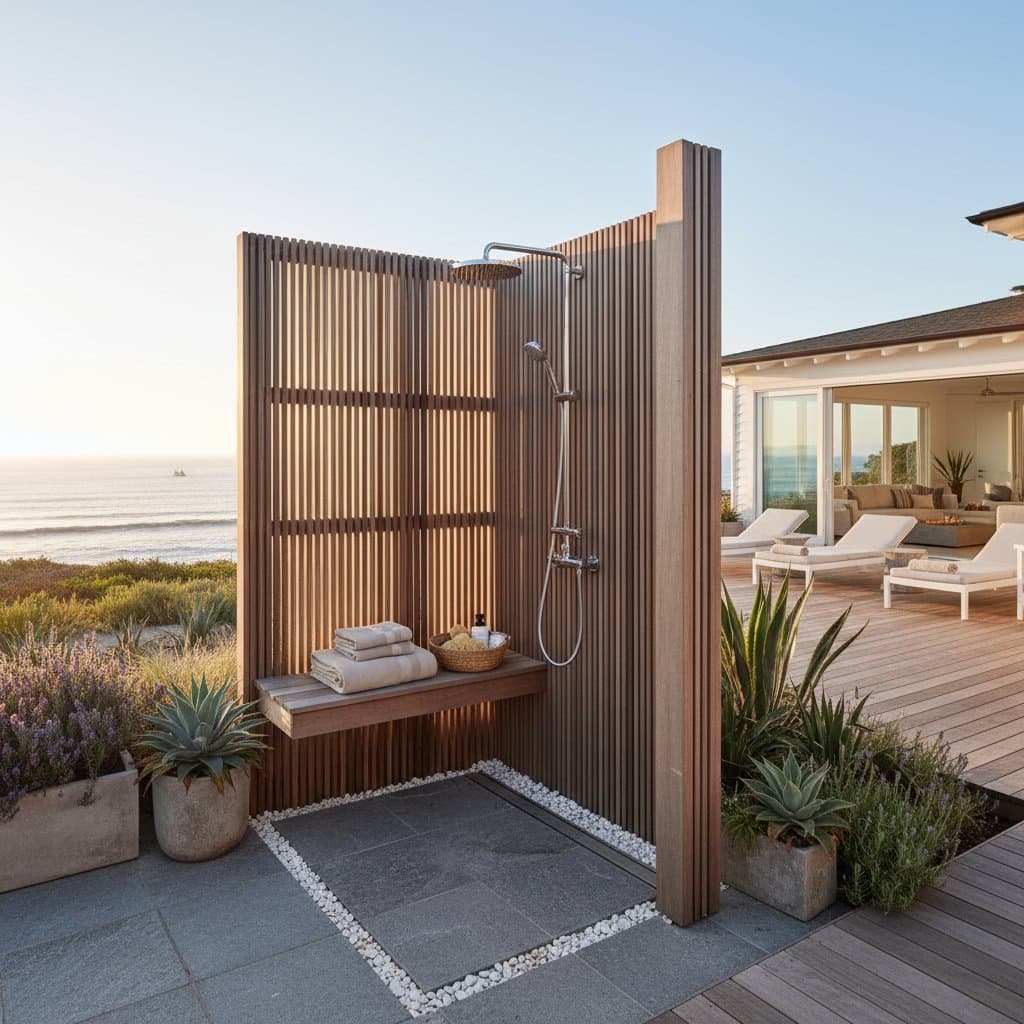
Outdoor Showers: Boost Coastal Home Value by $15K
For homeowners along the coast, few upgrades capture the spirit of coastal living like an outdoor shower. Beyond its practical charm, an outdoor shower can significantly raise a home's appeal and resale value. Many real estate professionals estimate that a well-built outdoor shower can increase a coastal property's value by up to $15,000, depending on design, materials, and location.
This guide explains why outdoor showers prove desirable, how to plan and build one that fits a home, and what steps to take to ensure the investment pays off. Whether the goal involves a rinse station for sandy feet, a luxurious spa-style retreat, or a stylish architectural feature, the right outdoor shower can enhance both lifestyle and property worth.
Why Outdoor Showers Increase Coastal Home Value
Outdoor showers instantly evoke the relaxed lifestyle that buyers seek in coastal communities. They create a seamless connection between the beach and home comfort, offering convenience and a sense of luxury.
Practical Appeal Meets Everyday Convenience
An outdoor shower serves more than a novelty for beachgoers. It keeps sand, salt, and dirt out of indoor plumbing and flooring. For homes near the ocean, this protection helps maintain tile grout, plumbing fixtures, and flooring finishes.
Buyers recognize the benefit of a home that stays cleaner and requires less upkeep. This practical advantage often translates into higher perceived value and greater buyer interest. For instance, properties with outdoor showers often see 10 to 15 percent more inquiries from families prioritizing low-maintenance features.
Lifestyle and Design Value
Outdoor showers also function as lifestyle statements. They bring a touch of resort living to everyday life. A thoughtfully designed shower area with privacy screens, natural materials, and coastal landscaping can feel like a private spa.
When potential buyers imagine themselves rinsing off after surfing or relaxing after a hot afternoon, the emotional draw becomes powerful. That emotional connection often drives faster sales and higher offers. In competitive markets, such features can shorten listing times by weeks.
Added Resale Leverage
Real estate agents working in coastal regions often report that outdoor showers rank as a top-requested feature among buyers seeking vacation homes or rental properties. They prove especially popular in listings with beach access or backyard pools.
Adding one can set a home apart from similar properties, creating a standout feature that helps justify a higher asking price. Agents note that homes with these amenities command premiums of five to ten percent over comparable listings without them.
Planning an Outdoor Shower Project
Creating an outdoor shower that adds real value begins with careful planning. The right design choices, materials, and placement can make the difference between a simple rinse station and a feature that elevates an entire property.
Identify Purpose and Location
Start by determining how the outdoor shower will serve daily needs. Common uses include rinsing off after beach visits or pool activities, providing a quick wash station for pets, and creating a private outdoor spa experience.
Once the function becomes clear, choose a location that offers both convenience and privacy. Popular spots include near a pool or deck, alongside a beach entry path, and adjacent to a bathroom wall for easy plumbing access.
Ensure proper drainage so water runoff does not flow toward the foundation or neighboring properties. Measure the space to confirm at least six feet of clearance for comfortable use.
Check Local Building Codes and Permits
Before breaking ground, review local codes and homeowner association guidelines. Some areas require permits for plumbing extensions or drainage connections.
Typical requirements include approved connection to the main water supply, safe routing of wastewater, and minimum setback distances for privacy and safety. Consult the local building department early to identify any specific standards, such as elevation requirements in flood-prone zones.
Ignoring these rules can lead to fines or complications during home resale, so verification pays off from the start.
Establish a Realistic Budget
Costs vary widely depending on design complexity and material quality. Basic setups using a simple hose connection and privacy enclosure may start at a few hundred dollars. Custom-built showers with premium stonework, hot water plumbing, and integrated lighting can reach several thousand dollars.
Many coastal homeowners spend between $3,000 and $10,000 for a mid-range installation. Factor in regional variations, such as higher labor rates in urban coastal areas, and allocate 10 to 15 percent extra for unexpected expenses like soil testing for drainage.
Choosing the Right Materials and Fixtures
Material selection determines both the durability and visual appeal of an outdoor shower. Coastal climates present unique challenges such as salt air, humidity, and sun exposure, so choosing resilient products proves essential.
Weather-Resistant Materials
Focus on materials that resist corrosion and moisture. Teak or cedar wood offers natural beauty and water resistance. Stainless steel or brass provides fixtures that withstand salt air.
Stone or concrete pavers create slip-resistant flooring. PVC or composite decking suits low-maintenance enclosures. Avoid untreated metals or softwoods, which can warp or rust quickly in coastal conditions.
For example, opt for marine-grade stainless steel to prevent pitting from ocean spray, ensuring longevity without frequent replacements.
Plumbing and Drainage Considerations
For permanent installations, connect the shower to the home's water lines. Hot and cold water options add comfort and broaden appeal to buyers. Use insulated pipes to prevent heat loss and protect against temperature fluctuations.
Plan for proper drainage using gravel beds, French drains, or connection to the home's gray water system. Poor drainage can create muddy areas, attract pests, or damage nearby landscaping. Install a linear drain along the edge to channel water efficiently toward a collection point.
Stylish Fixture Options
Select fixtures that match the home's design theme. Brushed nickel, matte black, or brass finishes look sophisticated while resisting corrosion. Consider adding rain-style showerheads for a spa-like experience, handheld sprayers for versatility, and foot rinse taps for quick cleanups.
Small details such as towel hooks, benches, and decorative screens can transform a simple shower into a showpiece. Position hooks at waist height for easy access and choose benches made from teak to withstand weather without splintering.
Steps for Building an Outdoor Shower
A successful outdoor shower installation follows a clear process. Whether choosing a DIY project or hiring a professional, these steps ensure safety and quality.
1. Design and Layout
Sketch the design, noting dimensions, materials, and access points for water and drainage. Consider privacy from neighbors and sightlines from windows or decks. Use software tools or graph paper to visualize the layout and adjust for optimal flow.
2. Prepare the Site
Level the ground and clear any debris. Install a solid base using pavers, decking, or gravel. Create a slightly sloped surface, about one percent grade, to encourage water to drain properly away from the home.
3. Install Plumbing
Run water lines from the nearest supply. If adding hot water, connect to the home's water heater or use an outdoor tankless unit. Secure pipes with corrosion-resistant fittings and test for leaks by running water for 30 minutes before enclosing.
4. Build the Enclosure
Construct walls or screens using weatherproof materials. Include ventilation gaps to prevent mildew and allow airflow. Add hooks or shelves for towels and toiletries at convenient heights.
5. Add Fixtures and Finishing Details
Attach the showerhead, handle, and any accessories. Seal joints and edges to keep water out of structural materials. Finish with landscaping, such as tropical plants or stones, to create a natural coastal vibe that integrates with the yard.
Hiring and Vetting a Contractor
If deciding not to tackle the project personally, finding a qualified contractor becomes the most important part of the process. A professional installer ensures compliance with codes, proper drainage, and quality workmanship.
Check Licenses and Insurance
Always verify that the contractor holds valid licensing and carries liability insurance. This protects against damages or injuries that could occur during installation. Request proof of both before signing any agreement.
Request a Detailed Bid
A reliable contractor should provide a written estimate that lists labor and material costs, estimated project timeline, scope of work, and warranty details. Compare multiple bids before deciding. The lowest price does not always represent the best value if it compromises quality or durability.
Review References and Portfolios
Ask for photos of previous outdoor shower projects. Contact past clients to confirm satisfaction with the contractor's professionalism and results. Choose someone familiar with coastal construction challenges, such as installing in sandy soil or high-wind areas.
Design Inspiration for Every Style
Outdoor showers can enhance a range of architectural styles, from modern minimalist to rustic beach cottage. Consider how the shower will blend with the home's look and surrounding landscape to create harmony.
Coastal Contemporary
For a sleek, modern appearance, use clean lines, composite panels, and stainless-steel fixtures. Integrate subtle LED lighting for evening use. This approach suits homes with glass walls or open patios, emphasizing minimalism.
Rustic Beach Cottage
Use reclaimed wood, pebble flooring, and simple brass fixtures for a relaxed coastal charm. Add climbing vines or bamboo accents for privacy and warmth. Such elements evoke a casual, lived-in feel ideal for family retreats.
Tropical Retreat
Create a lush, spa-like experience with natural stone, tropical plants, and rainfall showerheads. Layer textures and colors that mimic a luxury resort. Incorporate palms and ferns to frame the space and enhance the immersive atmosphere.
Family-Friendly Functionality
Design an open layout with durable materials and easy access for children or pets. A foot rinse station and handheld sprayer make maintenance simple. Prioritize non-slip surfaces and rounded edges to ensure safety during active use.
Maintenance and Long-Term Care
Proper maintenance ensures an outdoor shower remains attractive and functional for years while protecting the investment.
Routine Cleaning
Rinse surfaces regularly to remove salt residue and soap buildup. Use mild cleaners to avoid damaging finishes. Inspect drains for clogs and clear debris promptly to prevent backups.
Seasonal Checks
Inspect plumbing for leaks or corrosion. Tighten fittings and reseal wood surfaces as needed. Cover or shut off water lines during extended periods of non-use to avoid freezing in cooler months.
Preventing Mold and Mildew
Ensure adequate airflow and sunlight exposure. Avoid dense plantings that trap moisture. Regular cleaning and sealing prevent mold growth and prolong material life. Apply a UV-protectant sealant annually to wood elements.
Frequently Asked Questions
How much does an outdoor shower cost to install?
Depending on design and materials, costs typically range from a few hundred dollars for a simple setup to over $10,000 for a custom, fully plumbed feature. Prices vary based on region, labor rates, and materials.
Does an outdoor shower require a permit?
Many areas require a permit if connecting the shower to the home's plumbing or drainage system. Always check local regulations before beginning construction to avoid compliance issues.
What materials work best for coastal environments?
Teak, cedar, stainless steel, and natural stone perform well in humid, salty conditions. These materials resist corrosion, warping, and mildew better than untreated wood or standard steel.
Can an outdoor shower connect to hot water?
Yes. Tapping into the existing hot water line or using a tankless outdoor water heater can add comfort and make the feature usable year-round.
How does one ensure privacy for an outdoor shower?
Use fences, lattice screens, or landscaping such as tall grasses and bamboo to create a secluded space. Position the shower away from main sightlines and neighboring properties.
How does one handle drainage?
Install a gravel bed or French drain to direct water away from structures. Some homeowners connect drainage to a gray water system for reuse in landscaping, depending on local rules.
Will an outdoor shower increase a home's resale value?
Yes, especially in coastal or beach-access neighborhoods. A well-designed outdoor shower can add up to $15,000 in perceived value by enhancing lifestyle appeal and functionality.
Maximize the Benefits of Your Outdoor Shower
Integrate the outdoor shower into daily routines to fully realize its value. Use it for post-beach rinses or evening wind-downs to build appreciation among household members. Over time, this feature not only simplifies maintenance but also elevates the overall coastal living experience, making the home a more desirable retreat for years to come.