
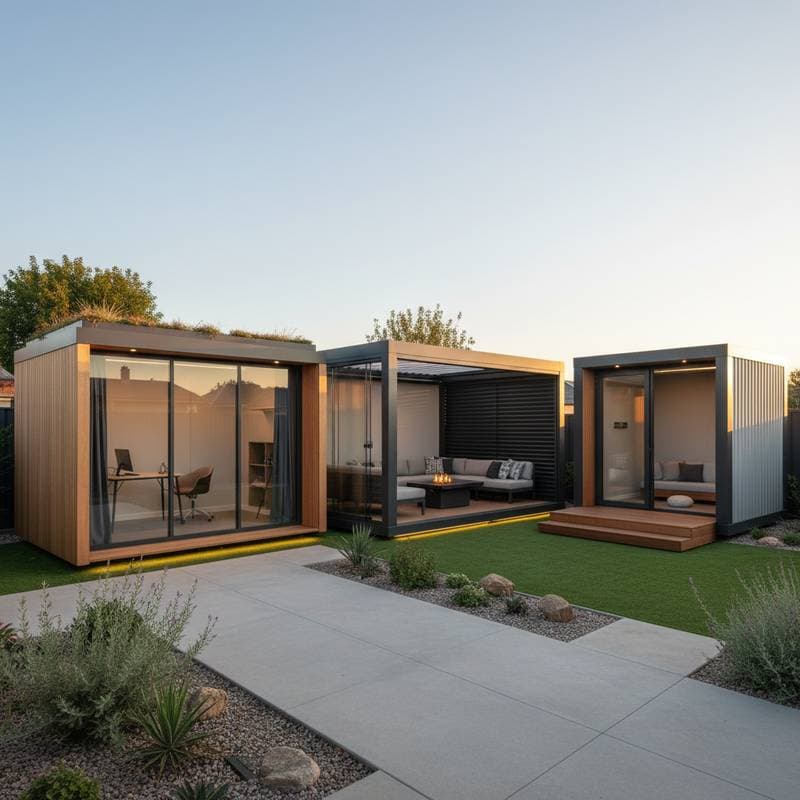
Modular Rooms: Flexible Outdoor Living Redefined
Outdoor living has become a major priority for homeowners seeking to expand usable space without committing to a full home addition. Modular rooms, also known as flexible outdoor spaces or convertible patios, transform backyards into versatile environments that adapt to changing needs. These structures combine modern design with functional engineering, providing homeowners new ways to entertain, relax, and work from home while staying connected to nature.
This guide explores how modular rooms redefine outdoor living, what to consider before installation, and how to choose the right design for your lifestyle. Whether you seek a poolside lounge, a home office with a garden view, or a guest suite that doubles as a yoga studio, modular outdoor rooms make it possible.
Understanding Modular Outdoor Rooms
A modular outdoor room is a prefabricated or semi-custom structure designed to blend indoor comfort with outdoor accessibility. Built using panels, steel frames, or insulated walls, these rooms install on patios, decks, or open yards. They typically include sliding or folding glass doors, integrated lighting, and weather-resistant materials that protect against moisture and sunlight.
Why Homeowners Choose Modular Spaces
Homeowners turn to modular rooms for several compelling reasons:
- Flexibility: These rooms serve multiple purposes, such as a home gym, reading nook, or art studio.
- Speed of Installation: Prefabricated panels allow construction to finish in a fraction of the time required for traditional additions.
- Sustainability: Many designs incorporate eco-friendly materials and energy-efficient insulation.
- Cost Efficiency: They require less labor and fewer permits than full remodels, often resulting in lower installation costs.
Popular Styles and Design Options
Modular outdoor rooms appear in a wide range of styles. Some feature sleek glass cubes for a modern, minimal look, while others use wood siding or composite materials for a warm, natural feel. Common design variations include:
- Convertible Patios: Structures with retractable walls or roofs that convert open patios into enclosed spaces.
- Garden Studios: Compact modular units ideal for remote work, hobbies, or quiet retreats.
- Sunrooms or Lounges: Rooms with large glass panels that preserve a connection to the outdoors while offering shelter.
- Guest Pods: Independent units that provide privacy for visiting friends or family.
Planning Your Modular Outdoor Room
Careful planning ensures that your modular outdoor space aligns with your property layout and long-term goals.
Step 1: Identify Usage Priorities
Begin by defining your priorities. Consider the activities that will occur in the space. For example:
- Will it serve as a home office or creative studio?
- Do you require extra space for guests or family gatherings?
- Are you seeking a sheltered lounge near your pool or garden?
These priorities guide decisions on insulation type, window placement, and electrical needs.
Step 2: Evaluate Site Conditions
Select the optimal location by assessing your yard's orientation, sunlight exposure, and drainage. A flat, well-drained area eases installation and avoids moisture problems. For sloped yards, a contractor can construct a foundation or platform to level the structure.
Step 3: Review Local Codes and Permits
Verify local requirements prior to construction. Some jurisdictions mandate permits for permanent installations or those with electrical connections. Modular manufacturers frequently provide drawings or documentation to streamline approvals.
Step 4: Set a Realistic Budget
Costs for modular outdoor rooms vary based on materials, size, and customization. A small prefabricated unit may start at several thousand dollars, while larger, insulated rooms with plumbing or climate control command higher prices. Allocate extra funds for site preparation, electrical hookups, and landscaping.
(Disclaimer: Prices vary by region, design complexity, and material choices. Request detailed quotes before purchasing.)
Choosing the Right Materials and Features
Material choices influence durability, comfort, and maintenance requirements.
Structural Components
- Aluminum and Steel Frames: Deliver stability and corrosion resistance.
- Wood or Composite Panels: Offer a natural aesthetic but necessitate protective finishes.
- Insulated Panels: Support temperature control for year-round usability.
Roofing Options
- Flat Roofs: Present a clean, modern profile with opportunities for solar integration.
- Sloped Roofs: Enhance drainage and complement traditional home styles.
- Retractable Roofs: Permit open-air enjoyment in mild weather.
Interior Features
Incorporate elements such as:
- Built-in Storage: Maintains organization and reduces clutter.
- Energy-Efficient Windows: Minimize heat gain and enhance comfort.
- Smart Lighting Systems: Adjust brightness according to time of day or activity.
- Climate Control Units: Include mini-split systems or ceiling fans for balanced temperatures.
Working with Professionals
Professional involvement, despite the simplicity of modular construction, guarantees superior outcomes.
Finding a Qualified Contractor or Installer
Seek contractors experienced in modular projects. To proceed:
- Verify Licenses and Insurance: Confirm certification and coverage for your safeguard.
- Review Portfolios: Examine previous work to evaluate expertise and quality.
- Obtain Multiple Bids: Secure at least three quotes detailing materials, labor, and timelines.
Understanding Contracts and Warranties
Prior to signing, ensure the contract specifies:
- A defined project timeline and payment schedule.
- Comprehensive details on materials and finishes.
- Warranty terms for the structure and installation.
Such clarity avoids surprises and promotes accountability.
Maintaining and Enjoying Your Modular Room
Regular maintenance prolongs the life of your modular space.
Routine Care
- Clean glass panels and seals every few months to preserve visibility and prevent mold.
- Inspect roof joints and gutters for debris or leaks following heavy rain.
- Reapply protective coatings to wood or composite surfaces upon signs of fading.
- Test electrical systems periodically to confirm safety and functionality.
Seasonal Adjustments
Adapt the room to weather changes for optimal performance. Install shading during summer heat or portable heaters in cooler months. Select flexible furnishings and removable rugs to facilitate transitions between seasons.
Frequently Asked Questions
What is the average cost of a modular outdoor room?
Costs generally range from several thousand dollars for small prefabricated pods to tens of thousands for larger, customized designs. Factors include materials, size, and installation complexity.
Do modular rooms require a foundation?
Lightweight models often install directly on decks or patios, whereas larger rooms benefit from concrete slabs or pier foundations for stability. A professional assesses site-specific needs.
Can modular rooms support year-round use?
Equipped with insulation, double-glazed windows, and heating or cooling systems, they accommodate all seasons. In temperate climates, basic models suffice for most of the year.
Are modular outdoor rooms permanent structures?
Anchoring method determines classification. Freestanding units relocate easily, but those with electrical or plumbing ties may qualify as permanent. Consult local codes for guidance.
How long does installation take?
Prefabricated rooms assemble in days after site preparation. Custom or expansive units require more time, influenced by complexity and weather.
Can I customize the design to match my house?
Yes, manufacturers offer options like siding materials, roof styles, and color schemes to harmonize with your home's architecture. Discuss specifications early with your provider.
What maintenance is required for modular rooms?
Routine cleaning, periodic sealing of exterior materials, and joint inspections suffice. Consistent care preserves appearance and functionality over years.
Transform Your Backyard Today
A modular outdoor room redefines property utilization. Envision a serene retreat, adaptable workspace, or elegant entertainment zone; modular construction delivers practical innovation.
Through deliberate design and informed investment, your backyard becomes a multifaceted haven blending comfort, adaptability, and aesthetic appeal. Explore these options to unlock outdoor potential without altering indoor spaces.