
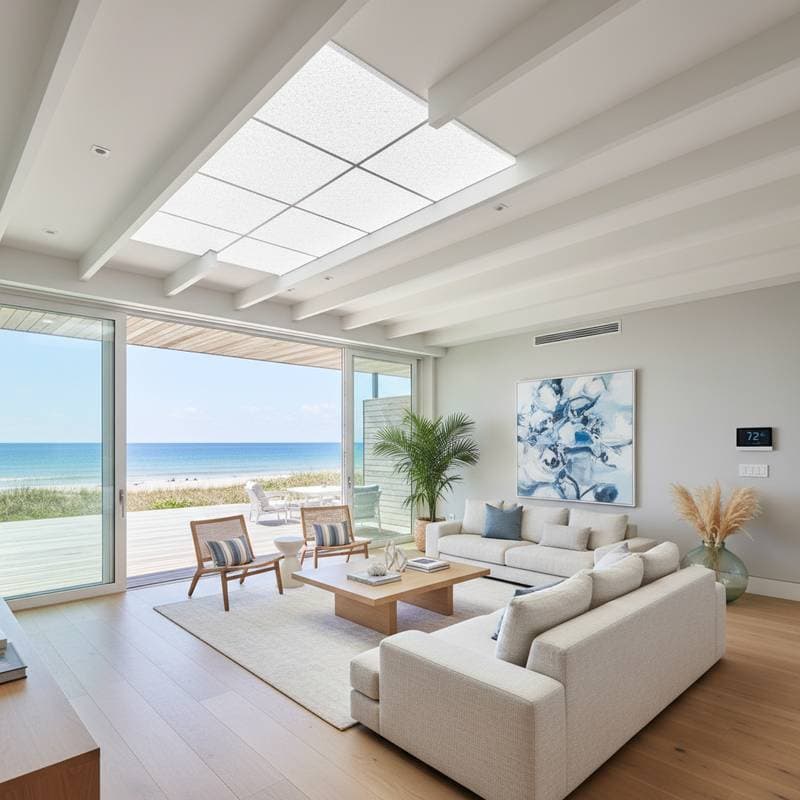
How Cool Roofs Can Halve Beach Home AC Bills
Maintaining comfort in a coastal residence presents challenges, particularly as intense sunlight and elevated humidity levels increase reliance on air conditioning. Such dependence often results in substantial energy expenses for shoreline property owners. Fortunately, cool roof technology offers a significant solution. These roofs reflect a substantial portion of solar radiation and absorb minimal heat, which can lower air conditioning costs by up to 50 percent in sun-drenched coastal areas.
The advantages extend further than short-term financial relief. Cool roofs prolong the service life of roofing structures, stabilize internal temperatures, and contribute to greater energy conservation. This discussion examines the mechanisms behind these reflective systems, associated expenses, suitable materials, and their particular relevance to coastal properties.
Average Cost of Installing a Cool Roof
Installation expenses for a cool roof depend on factors such as material selection, roof dimensions, and regional labor charges. Typically, property owners face costs ranging from $5,000 to $15,000 for a complete replacement incorporating cool roofing components.
| Roof Type | Material Example | Cost per Square Foot | Estimated ROI |
|---|---|---|---|
| Cool Asphalt Shingle | Reflective-coated shingles | $3 - $7 | 60% |
| Cool Metal Roof | Aluminum or steel panels | $5 - $12 | 75% |
| Cool Tile Roof | Clay or concrete tiles | $10 - $20 | 70% |
| Cool Membrane Roof | White TPO or PVC sheets | $4 - $8 | 65% |
Property owners frequently observe cooling expense reductions of 30 to 50 percent following installation. These savings accumulate over time, often offsetting initial investments within five to seven years through diminished energy use and fewer repairs.
Best Cool Roofing Materials for Coastal Homes
1. Cool Metal Roofing
Metal roofs finished with specialized reflective coatings excel in saline coastal settings. They withstand corrosion effectively, facilitate the removal of salt deposits, and endure for 40 to 70 years under routine care. By redirecting solar energy and rapidly releasing accumulated warmth, these roofs maintain cooler interior spaces during peak heat periods.
Image Placeholder: Modern coastal home with reflective metal roof panels and ocean backdrop.
2. Reflective Tile Roofing
Clay and concrete tiles remain popular in seaside locales due to their robustness and classic appearance. Application of reflective pigments enables them to deflect up to 70 percent of incoming sunlight. The inherent thermal mass of these tiles moderates temperature fluctuations, providing consistent indoor comfort from morning through evening.
Image Placeholder: Mediterranean-style beach home with light-colored reflective clay tiles.
3. Cool Membrane Roofing
Structures with flat or low-slope roofs, common in contemporary beach designs, suit thermoplastic polyolefin (TPO) or polyvinyl chloride (PVC) membranes particularly well. These bright white, single-layer options deliver superior reflectivity and endure ultraviolet exposure. Their seamless installation minimizes leaks, a critical concern in humid coastal conditions.
Image Placeholder: Contemporary low-slope coastal home with bright white TPO membrane roof.
4. Reflective Shingles
Individuals favoring conventional shingle profiles may opt for asphalt varieties embedded with reflective granules. This approach proves economical and integrates seamlessly with current roof frameworks. Lighter color options harmonize with the neutral palettes typical of coastal architecture, preserving visual appeal while enhancing performance.
Image Placeholder: Suburban coastal home with reflective light-gray shingles.
Maintenance and Longevity
Cool roofs demand limited ongoing attention, yet periodic evaluations prove essential. Accumulation of salt, organic debris, or algal formations can diminish reflective properties over time. Homeowners should rinse surfaces with fresh water annually to preserve efficacy. For select materials, reapplication of protective coatings every 10 to 15 years sustains both functionality and visual quality.
Durable options like metal and tile installations often persist for several decades with basic oversight. In contrast, membrane and shingle systems might require renewal earlier, influenced by environmental stressors and maintenance diligence. Proper care ensures sustained energy benefits and structural integrity against coastal elements.
Budgeting and Planning for a Cool Roof Upgrade
Step 1: Assess Your Current Roof
Evaluate the condition and compatibility of the existing roof. Determine whether a reflective coating suffices for enhancement or if a full replacement becomes necessary. Coatings applied over suitable substrates offer a budget-friendly path to improved reflectivity without extensive demolition.
Step 2: Set a Realistic Budget
Anticipate expenditures of approximately $5 to $10 per square foot for standard cool roof projects. Allocate an additional 10 to 15 percent buffer to accommodate unforeseen issues, such as underlying structural adjustments or premium material selections.
Step 3: Get Multiple Quotes
Solicit proposals from no fewer than three certified roofing specialists proficient in cool roof applications. Scrutinize differences in material specifications, warranty durations, and labor inclusions to inform a well-rounded decision.
Step 4: Consider Energy Rebates
Numerous locales provide financial incentives for energy-efficient roofing upgrades. These programs, often administered through utility providers or government agencies, can substantially reduce outlays and accelerate return on investment.
Step 5: Plan for Long-Term ROI
Although initial outlays may exceed those of standard roofs by a modest margin, the interplay of energy reductions, prolonged durability, and decreased upkeep typically recoups costs within three to five years. Subsequent years yield net gains in operational efficiency.
Frequently Asked Questions
| Question | Answer |
|---|---|
| How much can a cool roof save on energy bills? | Up to 50 percent reduction in air conditioning costs for coastal homes with high sun exposure. |
| Do cool roofs work in cloudy or mild climates? | Yes, they still reflect infrared radiation and reduce heat absorption even on overcast days. |
| Can any roof be converted into a cool roof? | Most roofs can be upgraded with reflective coatings or replaced with cool-rated materials. |
| Are cool roofs more expensive to install? | Typically 5 to 15 percent higher in upfront cost, but long-term savings outweigh the difference. |
| Do cool roofs require special maintenance? | Only basic cleaning and periodic inspection to maintain reflectivity and prevent buildup. |
| Will a cool roof affect home aesthetics? | Modern cool materials come in various styles and colors that match coastal design themes. |
Long-Term Benefits for Beach Homeowners
Implementing cool roof technology transcends mere bill reduction. It elevates living comfort, safeguards structural components from thermal stress, and aligns with eco-friendly practices vital to sensitive coastal habitats. Through lowered cooling requirements, bolstered roof resilience, and positive environmental impacts, this investment equips shoreline residents to address heat and moisture challenges effectively.