
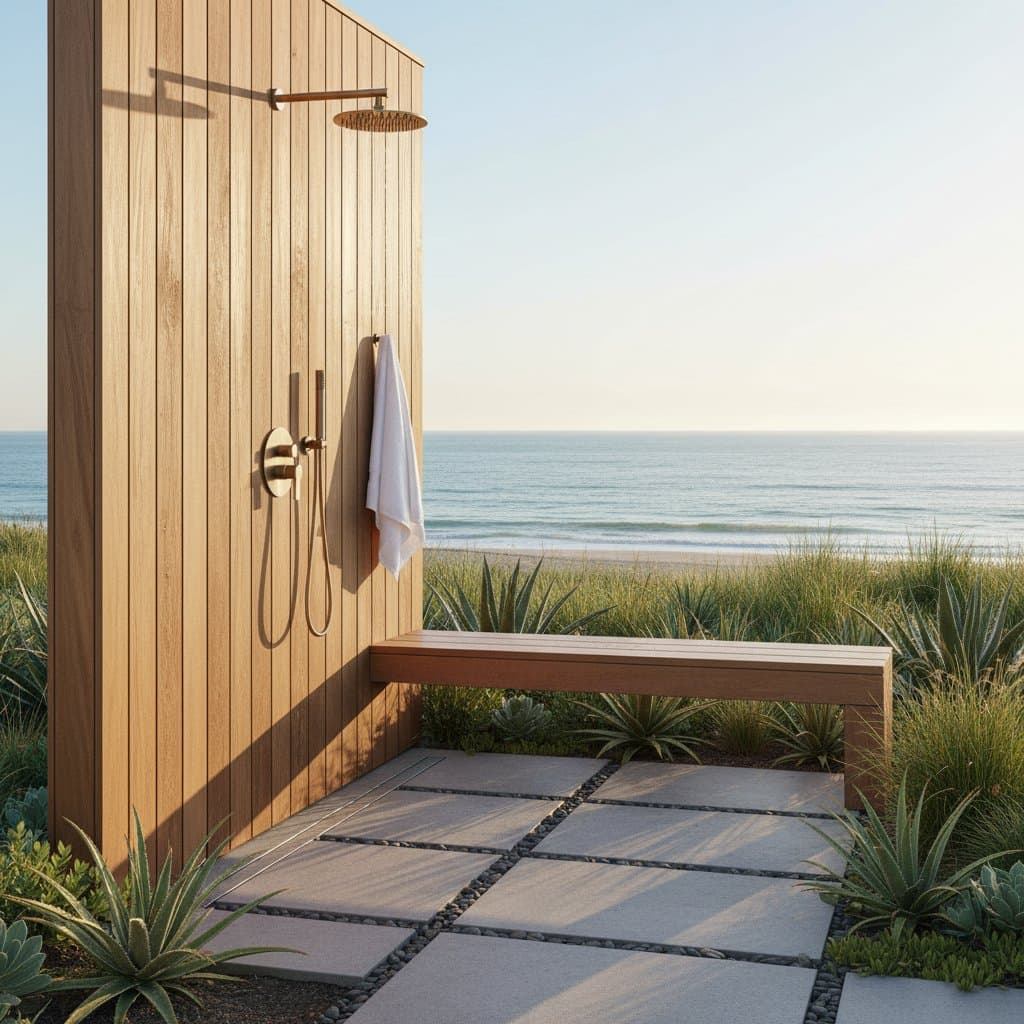
The Essential $3,000 Outdoor Shower for Coastal Homes
Outdoor showers have become a coveted feature in coastal properties, offering a seamless blend of functionality and aesthetic appeal. Homebuyers in beachside communities prioritize these installations for their ability to enhance daily living while increasing resale value. At approximately $3,000, a well-designed outdoor shower provides an inviting space for rinsing off after ocean activities, all while complementing the relaxed vibe of seaside residences.
This guide explores the key elements that define a desirable outdoor shower, from material selection to installation considerations. Readers will gain practical insights into budgeting, design choices, and maintenance to ensure their project aligns with coastal durability and style standards.
Key Design Considerations
Selecting the right components ensures the shower withstands the harsh coastal environment while delivering comfort and visual interest.
- Material Selection: Opt for durable options such as exotic hardwoods like teak, high-end porcelain tiles, and corrosion-resistant stainless steel fixtures. These choices elevate the initial expense but provide longevity against wear, often lasting 15 to 20 years with minimal upkeep.
- Privacy Enhancements: Incorporate adjustable louvered panels, living green walls with salt-tolerant plants, or integrated storage benches to create secluded spaces. Such features not only boost usability but also contribute to the overall landscape design, drawing the eye without overwhelming the yard.
- Adapting to Coastal Conditions: Exposure to intense sunlight, airborne salt, and high humidity necessitates materials with protective coatings or inherent resistance. For instance, powder-coated metals and UV-stabilized composites prevent fading and rust, maintaining the shower's appearance year-round.
- Regulatory Requirements: Local building codes may mandate permits for showers tied to household plumbing or sewer drainage. Consult municipal guidelines early to avoid delays; standalone units often bypass these rules if they function independently.
Strategies for Budget Management
Achieving a high-quality outdoor shower within $3,000 requires strategic planning. Focus on efficiencies that preserve performance without unnecessary expenditures.
- Implement a Cold-Water System: For primary use as a post-beach rinse, eliminate hot water plumbing to cut costs by up to 40 percent. This setup relies on ambient temperature water, ideal for quick cleanups.
- Incorporate Prefabricated Components: Assemble kits featuring modular shower posts and pre-cut enclosures to minimize on-site labor. These arrive ready for straightforward attachment, reducing overall project time by half.
- Leverage Existing Infrastructure: Connect to a proximate outdoor faucet or utility sink instead of excavating new lines. This approach avoids the expense of underground piping, potentially saving $500 or more.
- Employ Basic Drainage Solutions: Install a gravel-filled trench or dry well for water dispersal, which proves more economical than complex piping networks. Ensure proper grading to direct flow away from structures.
- Prioritize Composite Over Traditional Wood: Though the upfront cost exceeds pressure-treated lumber, composites resist decay and require no annual treatments, yielding long-term savings through reduced repairs.
- Handle Preliminary Tasks In-House: Prepare the site by removing debris or setting a modest concrete base to shorten professional involvement. This can trim labor fees while allowing oversight of foundational work.
Weighing DIY Installation Against Professional Services
Homeowners often debate whether to install an outdoor shower themselves or engage experts. The decision hinges on project scope, skill level, and desired outcomes.
| Aspect | DIY Approach | Professional Installation |
|---|---|---|
| Cost Range | $500 to $1,500 | $2,000 to $7,000 |
| Complexity Level | Moderate; requires basic tools | Low effort for the owner |
| Plumbing Expertise Required | Substantial knowledge of connections | Handled by certified specialists |
| Result Consistency | Depends on individual experience | Ensured through warranties and codes |
| Timeline | 2 to 5 days of active work | 1 to 3 days with scheduled crews |
DIY suits simpler configurations, such as hose-fed cold-water units with snap-fit assemblies. For systems involving heated water, custom drainage, or fixed elements, professionals guarantee adherence to safety standards and plumbing regulations.
Pitfalls to Sidestep in Outdoor Shower Projects
Common errors can inflate expenses or compromise the installation's integrity. Addressing them proactively leads to a more reliable and enjoyable feature.
- Overlooking Water Management: Inadequate drainage causes pooling, fostering mold growth and structural damage. Always incorporate sloped surfaces and permeable bases.
- Selecting Non-Resistant Materials: Standard lumber succumbs rapidly to moisture in seaside settings. Choose treated or synthetic alternatives to avert premature replacement.
- Bypassing Approval Processes: Unauthorized connections risk fines or mandatory dismantling, particularly during property transactions. Verify requirements with local authorities upfront.
- Choosing an Inopportune Location: Positioning near foundations invites erosion from runoff. Select elevated, vegetated spots that facilitate natural dispersion.
- Minimizing Screening Elements: Exposed designs diminish usability for families. Integrate subtle barriers like bamboo fences for modesty without obstructing views.
- Disregarding Upkeep Routines: Accumulated salt and debris shorten lifespan. Schedule bi-annual inspections to reseal surfaces and clear drains.
Addressing Common Queries on Outdoor Showers
Is a Permit Necessary for Installation?
Permits apply when integrating with primary water supply or sewer lines. Basic ground-draining cold-water models typically qualify as accessory structures and evade formal review.
What Is the Typical Installation Duration?
Simple stations complete in one to two days, whereas enclosed versions with full plumbing extend to two weeks, influenced by site conditions and workforce.
Which Materials Excel in Seaside Environments?
Stainless steel, composite boards, and natural stone endure salt and dampness superiorly. Hardwoods like ipe or redwood offer elegance when sealed regularly.
Does This Feature Appraise Higher Property Value?
Indeed, in coastal markets, outdoor showers signal premium lifestyle amenities. They frequently return 70 to 90 percent of costs upon sale through enhanced appeal.
What Maintenance Practices Ensure Durability?
Flush components weekly with fresh water, use non-abrasive cleaners on metals, and reapply sealants to organics seasonally. Monitor for corrosion signs promptly.
Can Installation Occur Without Home Integration?
Absolutely; hose-attached portable units provide flexibility for temporary or rental properties, installing in hours without alterations.
What Are Effective Drainage Methods?
Perforated pipes in gravel trenches or absorption pits handle excess effectively. Design with a two percent slope to safeguard nearby areas.
Realizing the Benefits of Your Coastal Shower
Investing in an outdoor shower elevates coastal homeownership by merging utility with serene outdoor access. This $3,000 enhancement withstands environmental challenges, delivering enduring value and enjoyment. Plan meticulously, select resilient elements, and collaborate with qualified installers to craft a feature that enriches both routine moments and property prestige.