
7 Reasons Impact Windows Deliver 200% ROI for Coastal Homes
Coastal living combines stunning ocean views, fresh salt air, and gentle breezes into an enviable way of life. However, storms, corrosion, and escalating insurance premiums often present substantial challenges. Homeowners frequently miss a key upgrade that alters this dynamic: impact windows.
Consider how substituting ordinary glass with robust laminated windows might yield double the investment. The explanation rests in enhanced safety, superior energy performance, and sustained property appreciation. Impact windows extend beyond storm defense to foster a quieter, more efficient, and secure residence that attracts prospective buyers while generating monthly savings.
Professional installation typically recoups up to 200% of the expense via cost reductions, elevated resale prices, and diminished insurance rates. The following outlines seven primary factors that enable coastal homeowners to realize these substantial returns.
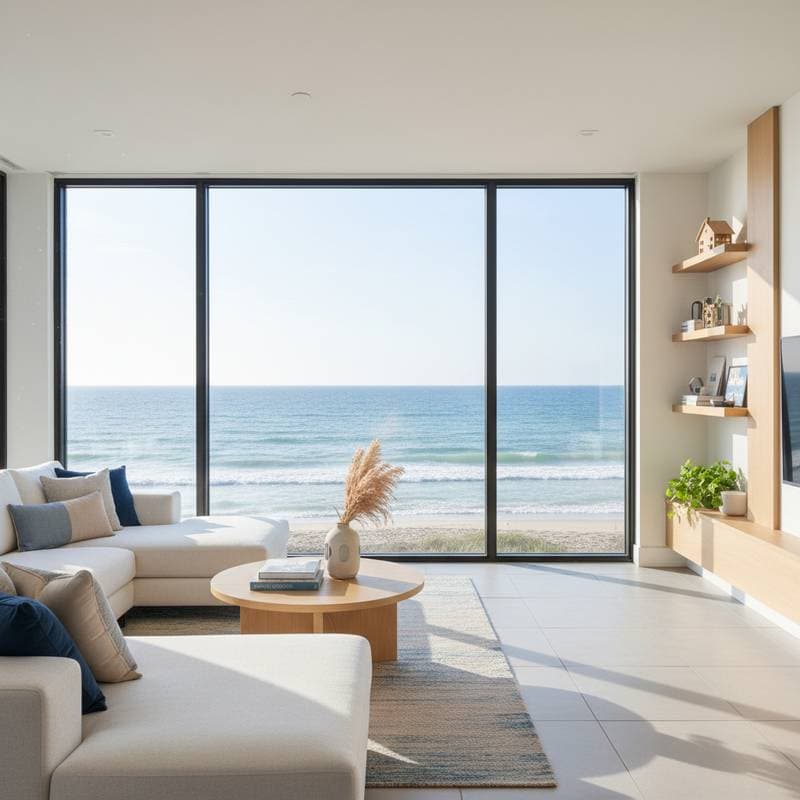
[Image: Coastal home with large impact windows overlooking the ocean]
Structural and Safety Benefits
1. Storm Protection That Prevents Costly Repairs
Impact windows endure flying debris and intense wind forces through their engineered design. Laminated glass remains intact between protective layers even upon shattering, averting dangerous pressure changes that might compromise roofs or walls in fierce storms.
This resilience avoids repair expenses that could reach tens of thousands of dollars. Insurers acknowledge such safeguards by providing notable premium discounts. To maximize benefits, inquire with your insurance provider about wind mitigation credits following installation.
2. Enhanced Security Against Break-Ins
The durability that shields against storms similarly discourages burglars. Penetrating laminated glass demands considerable time, generates significant noise, and requires substantial force, rendering the property a less desirable target. For owners of seasonal coastal retreats, this added security eases concerns during absences.
Such windows diminish reliance on supplementary alarm systems, thereby cutting costs for setup and ongoing surveillance.
[Image: Diagram showing layered construction of impact glass]
Comfort and Efficiency Advantages
3. Energy Savings Year-Round
Coastal weather varies from humid warmth to brisk marine winds. Impact windows limit thermal conduction with superior insulation and secure seals, easing the workload on heating and cooling units to decrease utility expenses.
These gains accumulate steadily; for instance, average households achieve 20% to 30% reductions in power usage, amounting to several thousand dollars over the window's lifespan. Select models certified for high energy performance to optimize these outcomes.
4. Noise Reduction for Peaceful Living
Proximity to the ocean brings serenity, yet traffic, marine vessels, or beach activity often introduces disruptive sounds. Laminated glass in impact windows serves as an effective acoustic barrier, substantially muffling external disturbances that ordinary windows permit.
Prospective buyers appreciate this calm ambiance during viewings, which elevates the home's marketability and supports higher sale prices.
5. UV Protection that Preserves Interiors
Persistent exposure to sunlight fades upholstery, hardwood floors, and artwork over time. Impact windows block damaging ultraviolet rays while permitting abundant natural illumination to enter.
This safeguard reduces expenditures on redecorating and replacements, maintaining vibrant interior aesthetics for years. Opt for windows featuring low-emissivity coatings to enhance UV filtration alongside temperature regulation.
[Image: Living room with bright natural light filtered through impact windows]
Financial and Long-Term Value
6. Increased Property Value and Buyer Appeal
Upon listing a property, impact windows emerge as a compelling selling point. Buyers prioritize residences equipped with contemporary features that promise lower ongoing costs and immediate usability.
Real estate professionals emphasize these windows to substantiate premium pricing. Properties featuring impact-resistant glazing tend to sell more quickly and nearer to the full asking amount, as the advantages in safety, efficiency, and upkeep justify the investment recovery.
7. Insurance Discounts and Maintenance Savings
Coastal locations command elevated insurance rates due to environmental hazards. Providers frequently grant 10% to 25% reductions for residences with approved impact windows, based on the decreased likelihood of claims.
These windows demand minimal upkeep compared to traditional storm shutters, which suffer from rust or mechanical failures. Once fitted, they deliver reliable, year-round defense without the hassle of annual preparation or storage.
[Image: Coastal home exterior with modern impact windows and clean lines]
Essential Guidance for Selecting and Installing Impact Windows
- Evaluate frame options: Aluminum withstands corrosion effectively, whereas vinyl provides enhanced thermal properties.
- Verify certifications: Seek products tested for wind load and impact resistance by recognized standards bodies.
- Engage certified professionals: Accurate fitting guarantees optimal functionality and warranty validity.
- Perform routine care: Wipe away salt buildup periodically to sustain seals and clarity.
Frequently Asked Questions
How much do impact windows cost?
Costs depend on dimensions and configurations, with most installations ranging from $40 to $60 per square foot.
Can I replace just a few windows at a time?
Partial replacements are feasible, but full-house updates promote uniform aesthetics and comprehensive safeguarding.
Do impact windows look different from regular ones?
Contemporary versions appear modern and transparent, free from heavy framing or discoloration.
Will they really increase my home’s value?
Certified impact windows commonly generate resale uplifts that match or exceed the original outlay.
Maximize Returns on Your Coastal Residence
Installing impact windows elevates a coastal property to new levels of safety, quietude, and efficiency. These enhancements recoup costs through reduced premiums, trimmed energy use, and amplified market worth, securing lasting financial advantages.