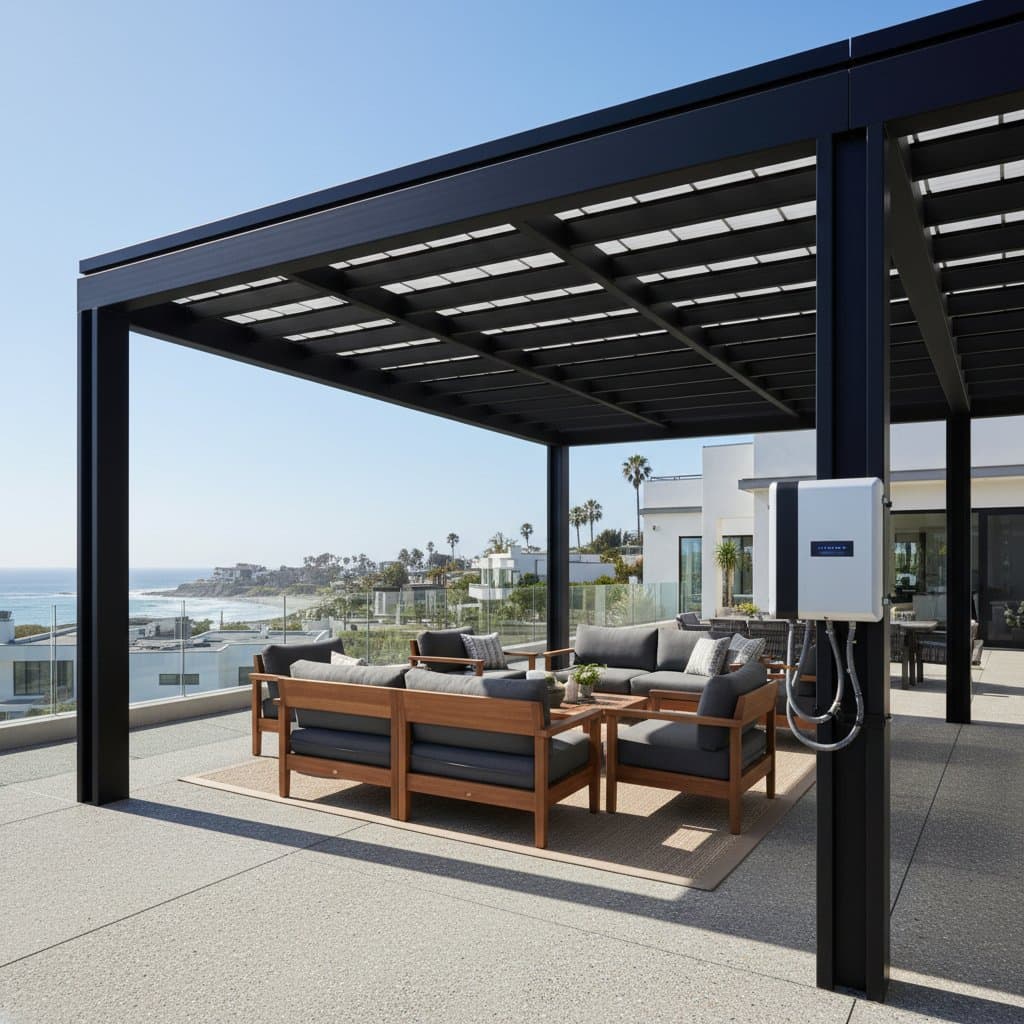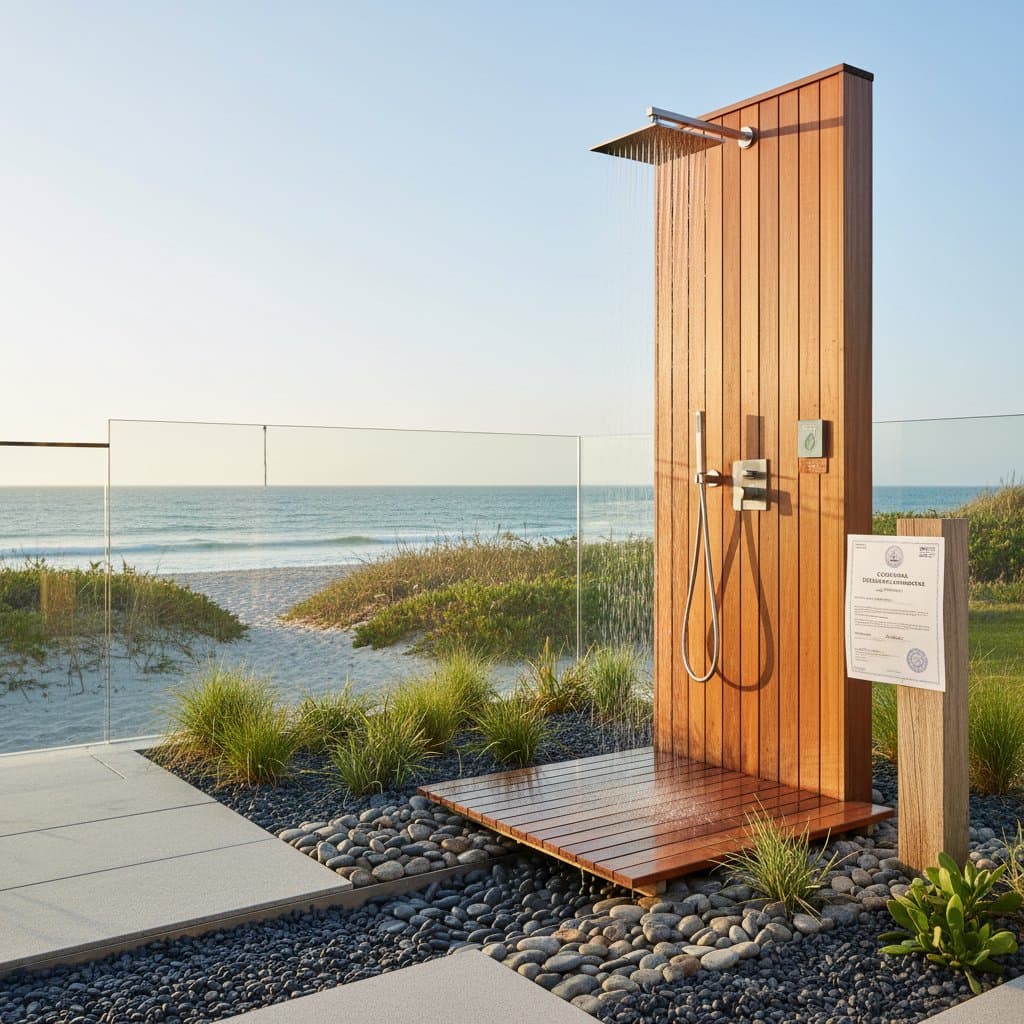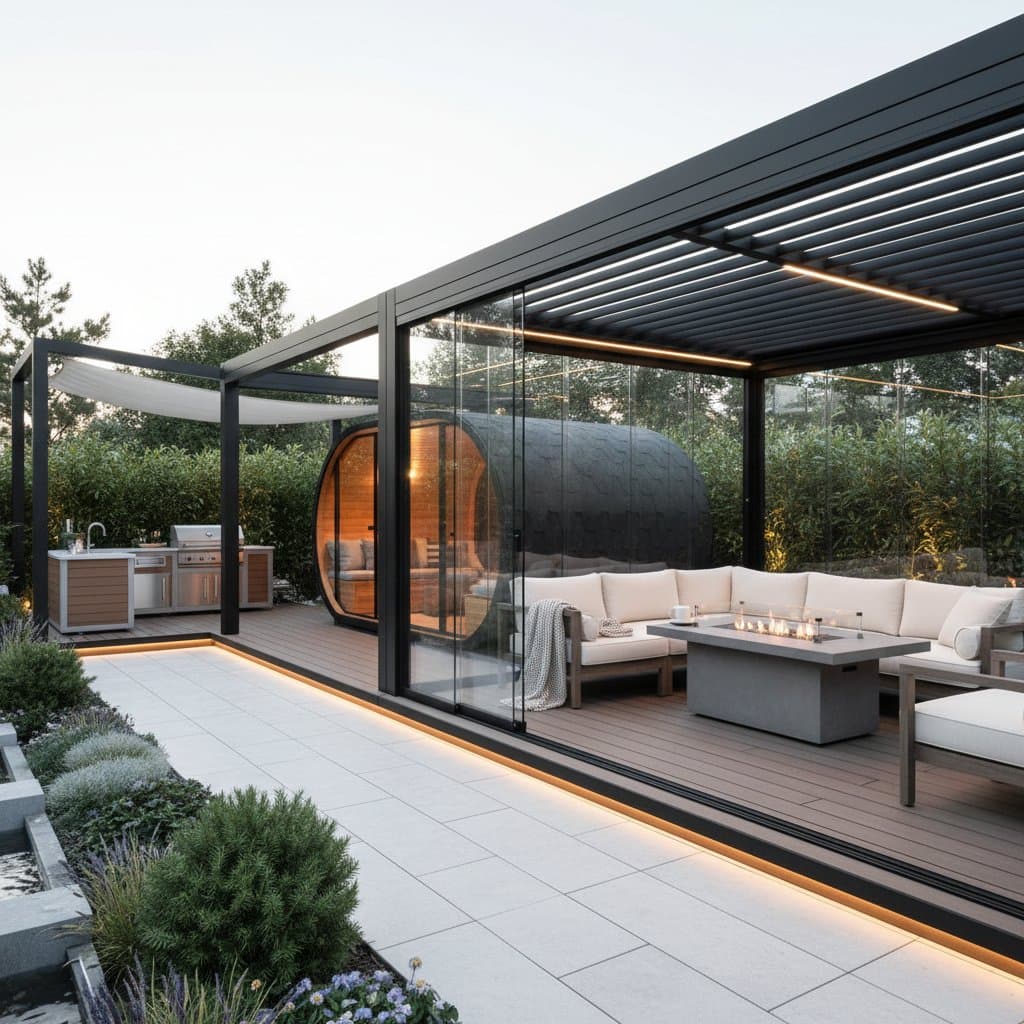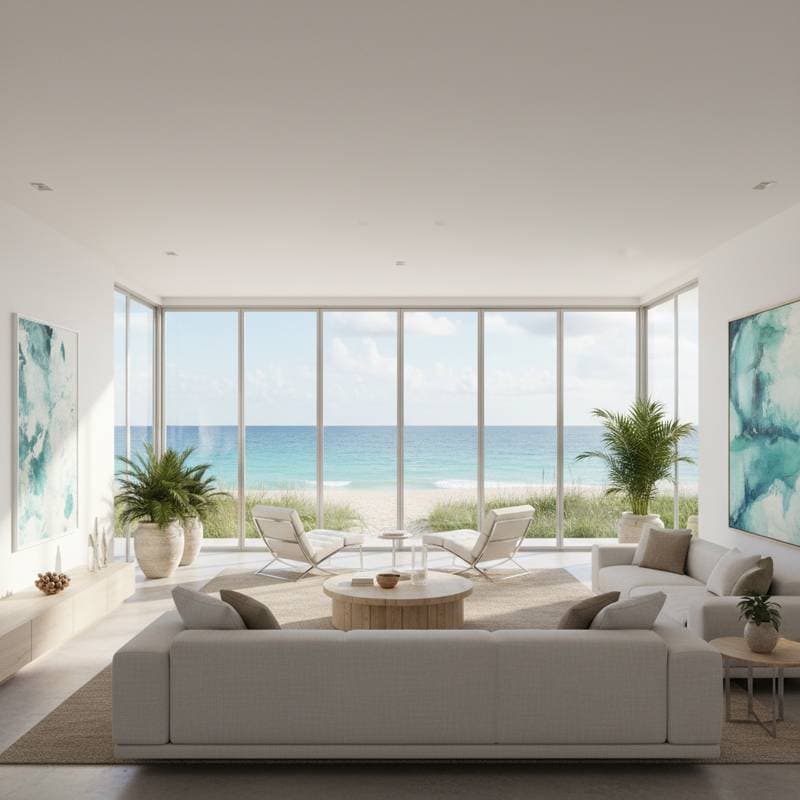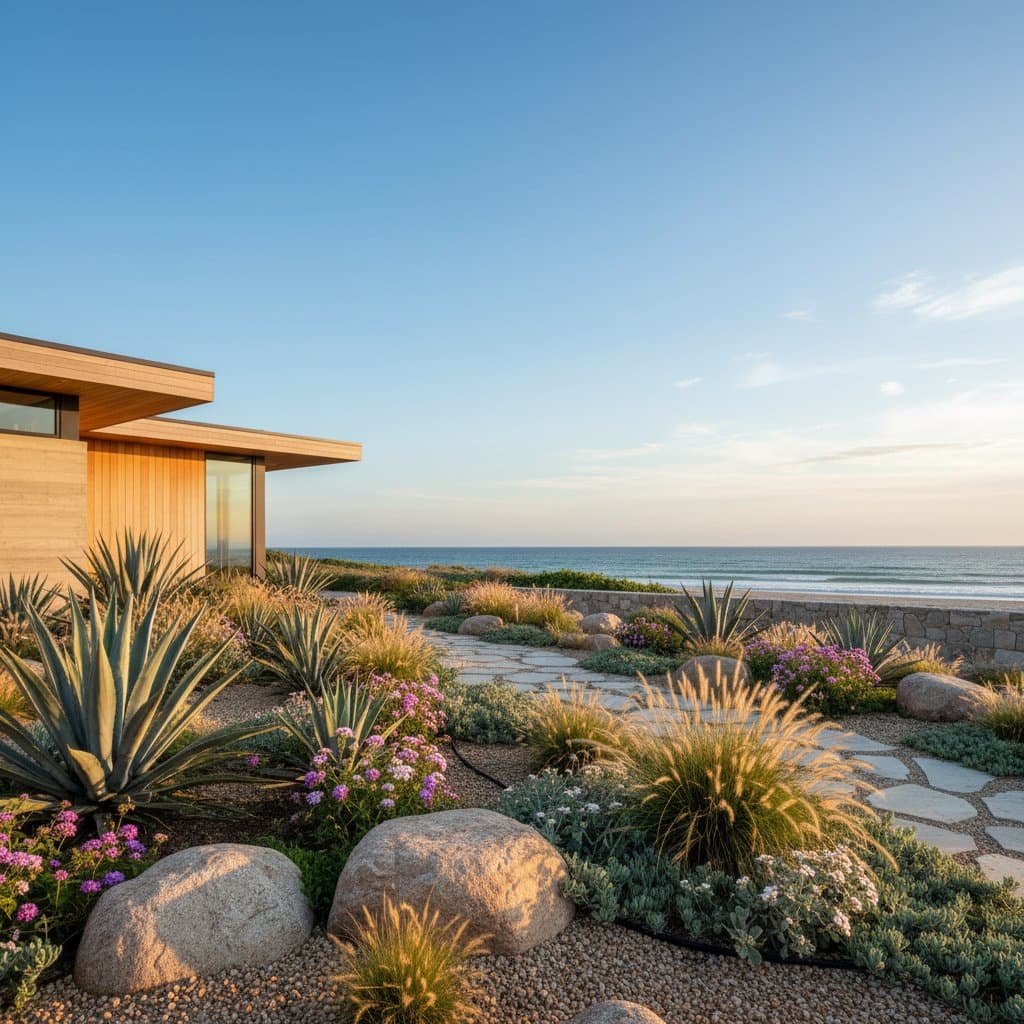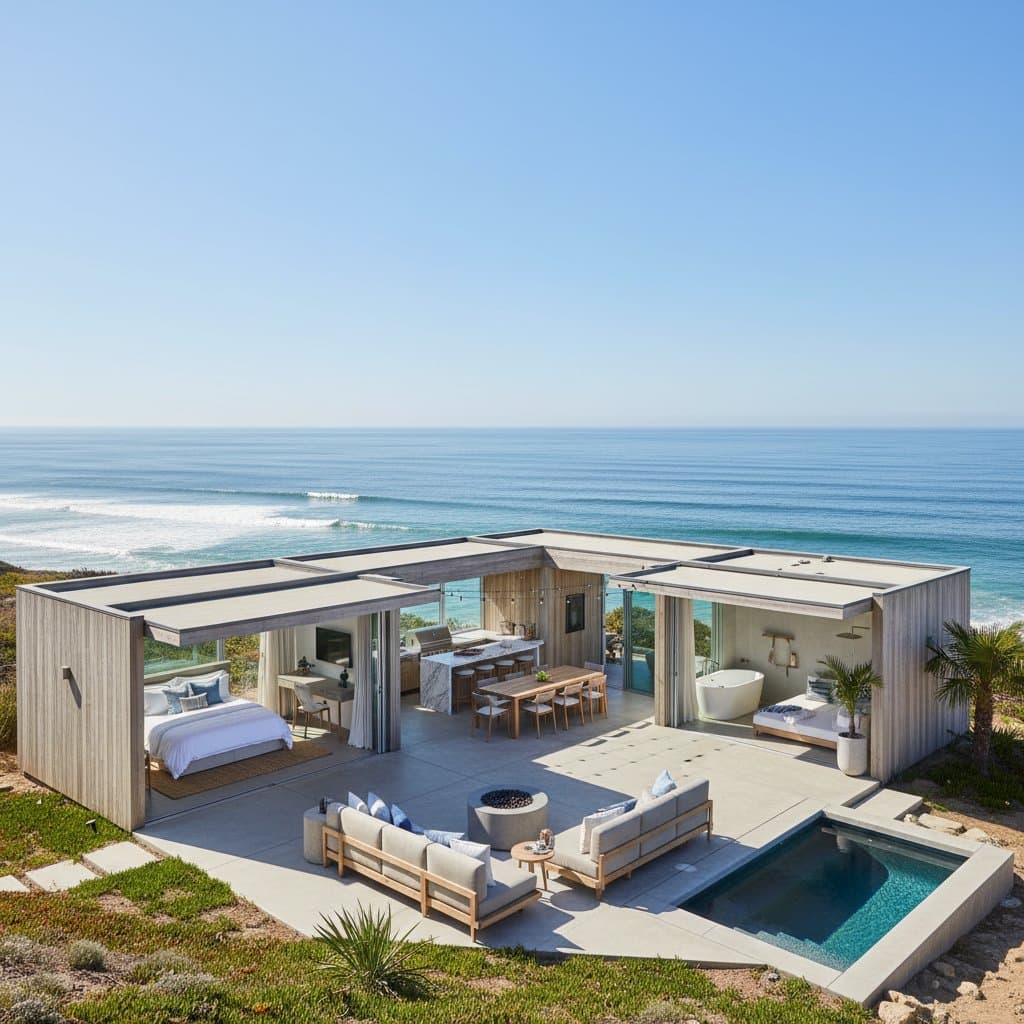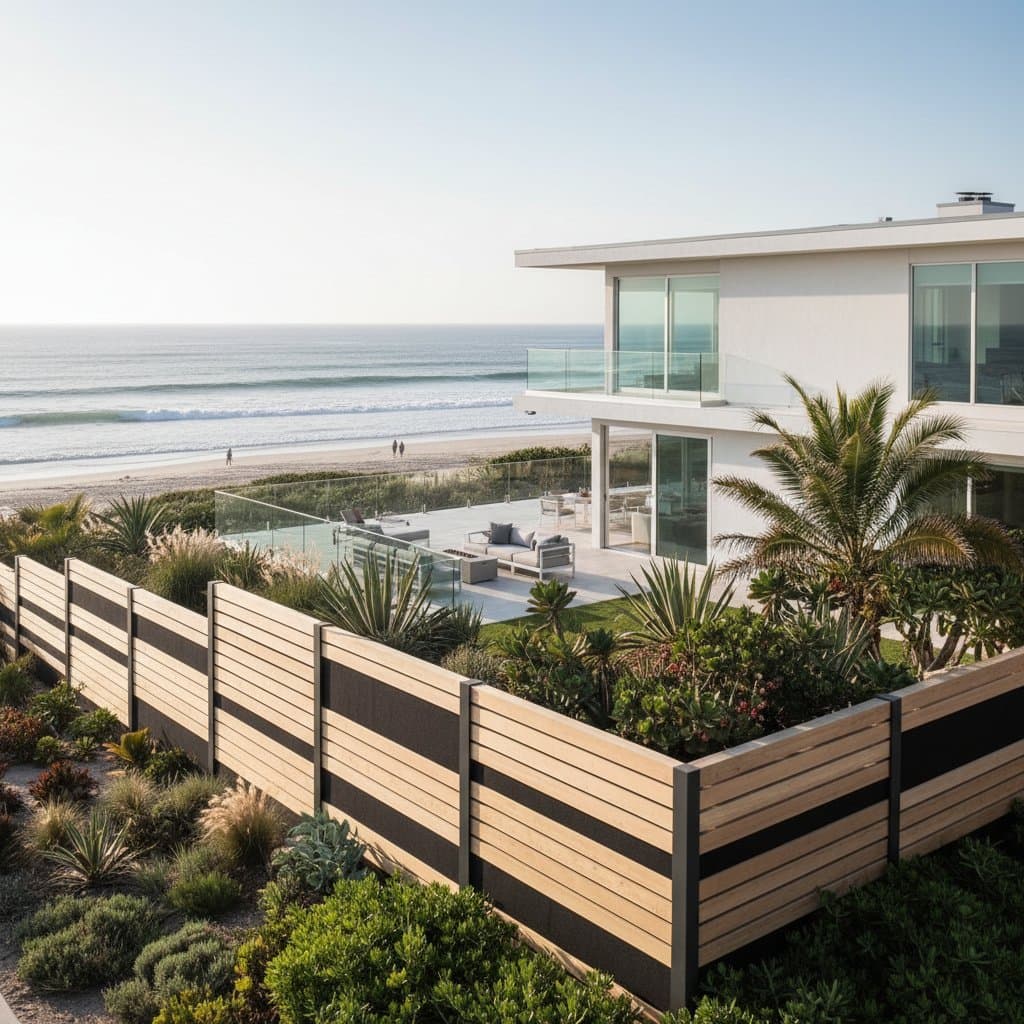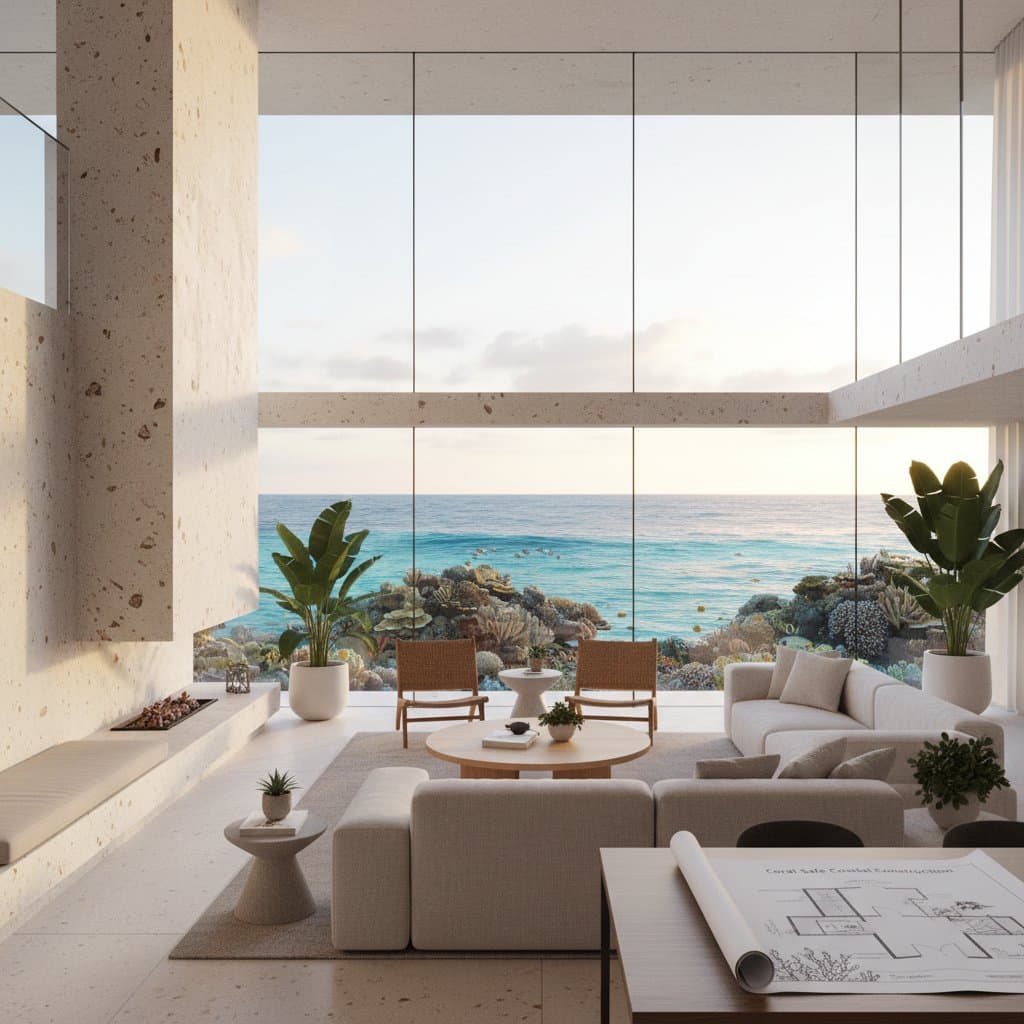
Featured image for Living Seawalls Cost $350-$1,200 Per Linear Foot

Living Seawalls Cost $350-$1,200 Per Linear Foot

Coastal property owners increasingly choose living seawalls to safeguard shorelines while fostering marine ecosystems. These innovative structures range from $350 to $1,200 per linear foot and elevate property values through sustainable design. Learn how strategic planning and material selection create enduring environmental assets for future remodels.

PPam Jarnigan
Read Article

Latest Articles

Featured image for Living Seawalls Work With Nature to Stop Erosion

Living Seawalls Work With Nature to Stop Erosion

Living seawalls revolutionize coastal defense by merging robust engineering with natural ecology. Unlike erosion-aggravating bulkheads, they dissipate wave energy, nurture biodiversity, and elevate aesthetic value. Despite higher initial costs, their durability, ecological perks, and long-term savings position them as an ideal choice for eco-conscious waterfront owners.

By John Allman
Featured image for Coral-Safe Concrete Protects Reefs While Building Stronger

Coral-Safe Concrete Protects Reefs While Building Stronger

Coral-safe concrete transforms coastal construction by shielding reefs from harmful chemicals while delivering superior strength and longevity. Formulated with low-carbon binders, it withstands corrosion, cuts maintenance expenses, and fosters marine biodiversity. Despite a modest initial investment, its environmental and economic advantages position it as an essential option for sustainable shoreline development.

By Lori Thornton
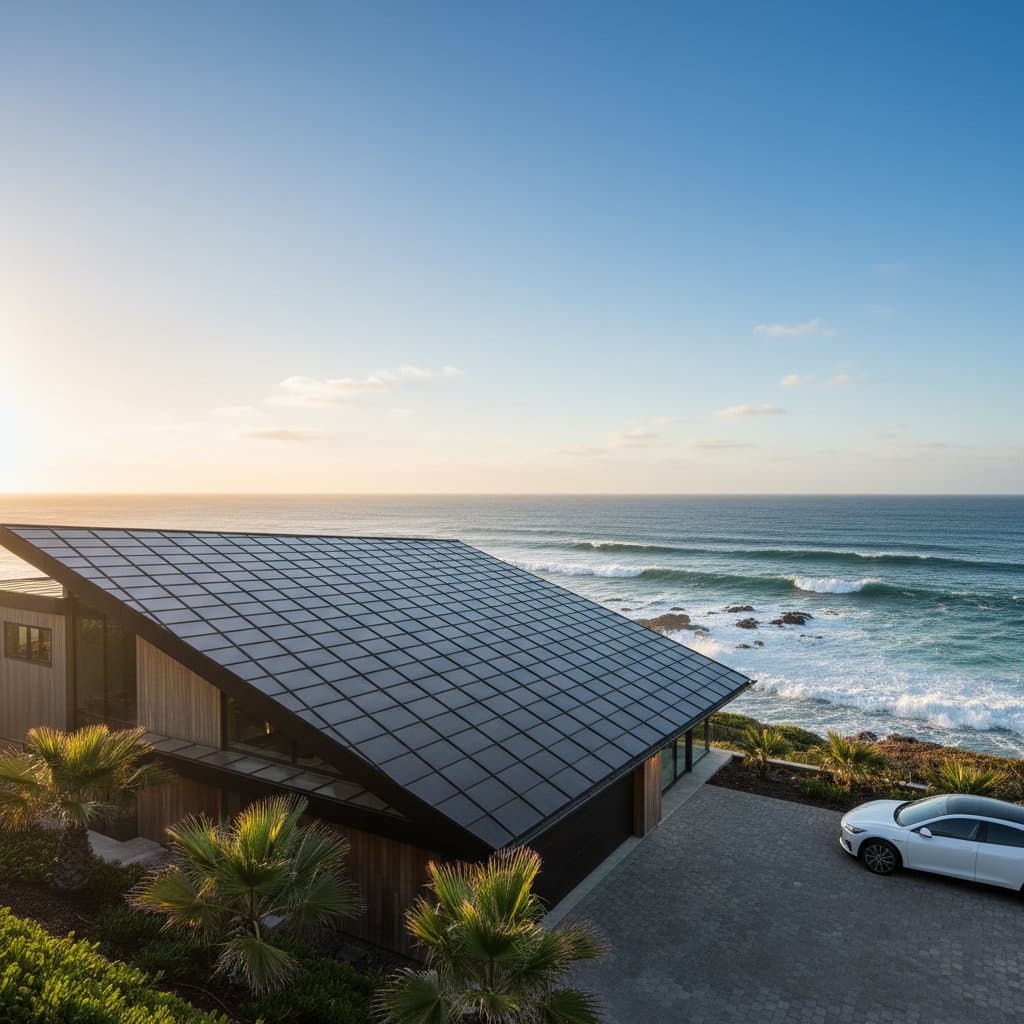
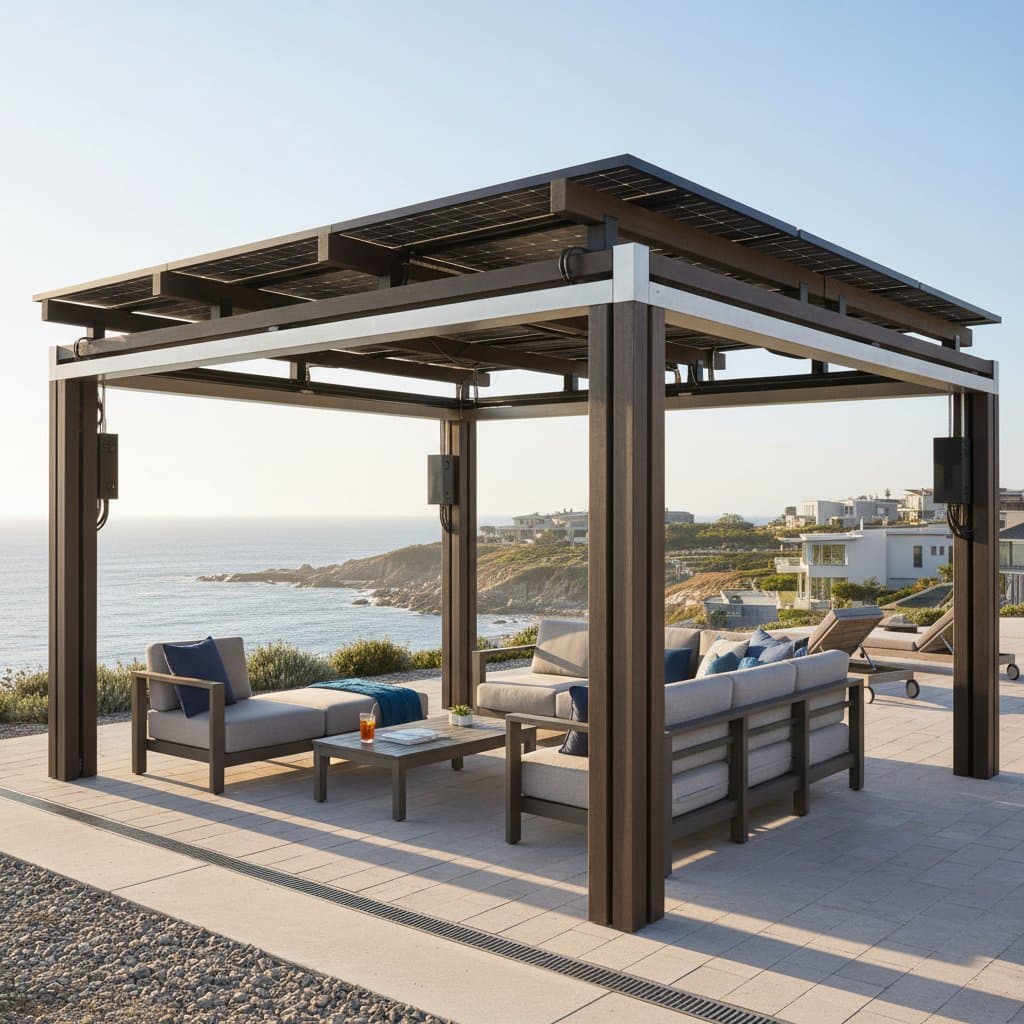
Featured image for Solar Tiles Cut Coastal Energy Bills While Raising Resale Value

Solar Tiles Cut Coastal Energy Bills While Raising Resale Value

Coastal homeowners can achieve rapid returns by 2026 with solar tiles that endure salt, wind, and sun while generating energy. Costs of $35,000 to $65,000 yield savings, incentives, and property value gains. Discover types, pricing influences, and strategies for energy security and resilience.

By John Allman
Featured image for Composite Decking Lasts 3X Longer in Humidity

Composite Decking Lasts 3X Longer in Humidity

In humid coastal areas, composite decking surpasses wood by up to three times in longevity, shrugging off rot, warping, and color loss. Despite a higher initial price, its low-maintenance design and extended durability position it as a wise, sustainable choice. Ideal for seaside properties, this material provides years of reliable performance and aesthetic appeal with little effort.

By Michelle Garrett
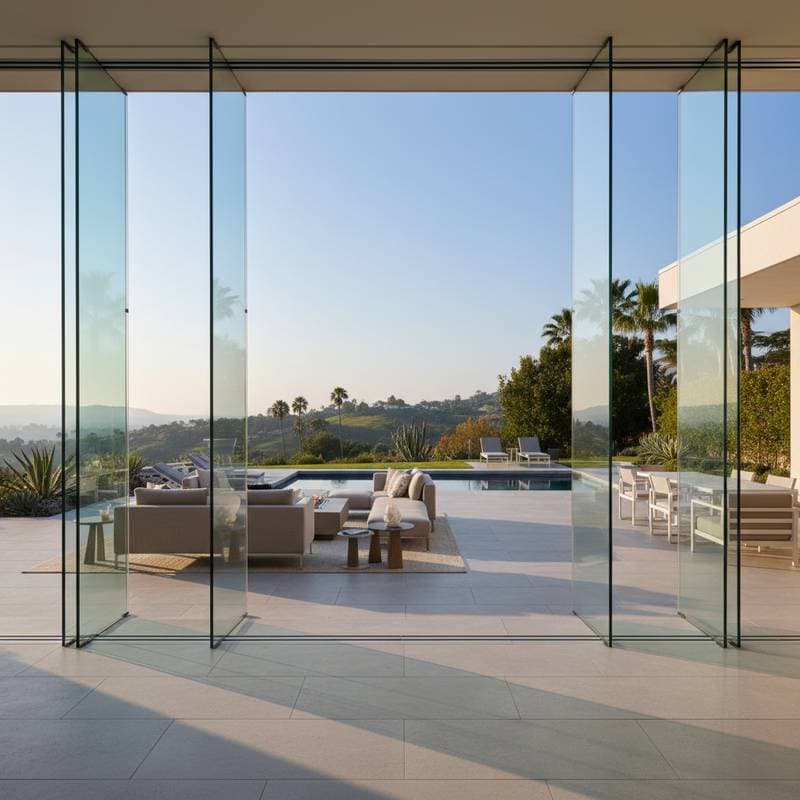
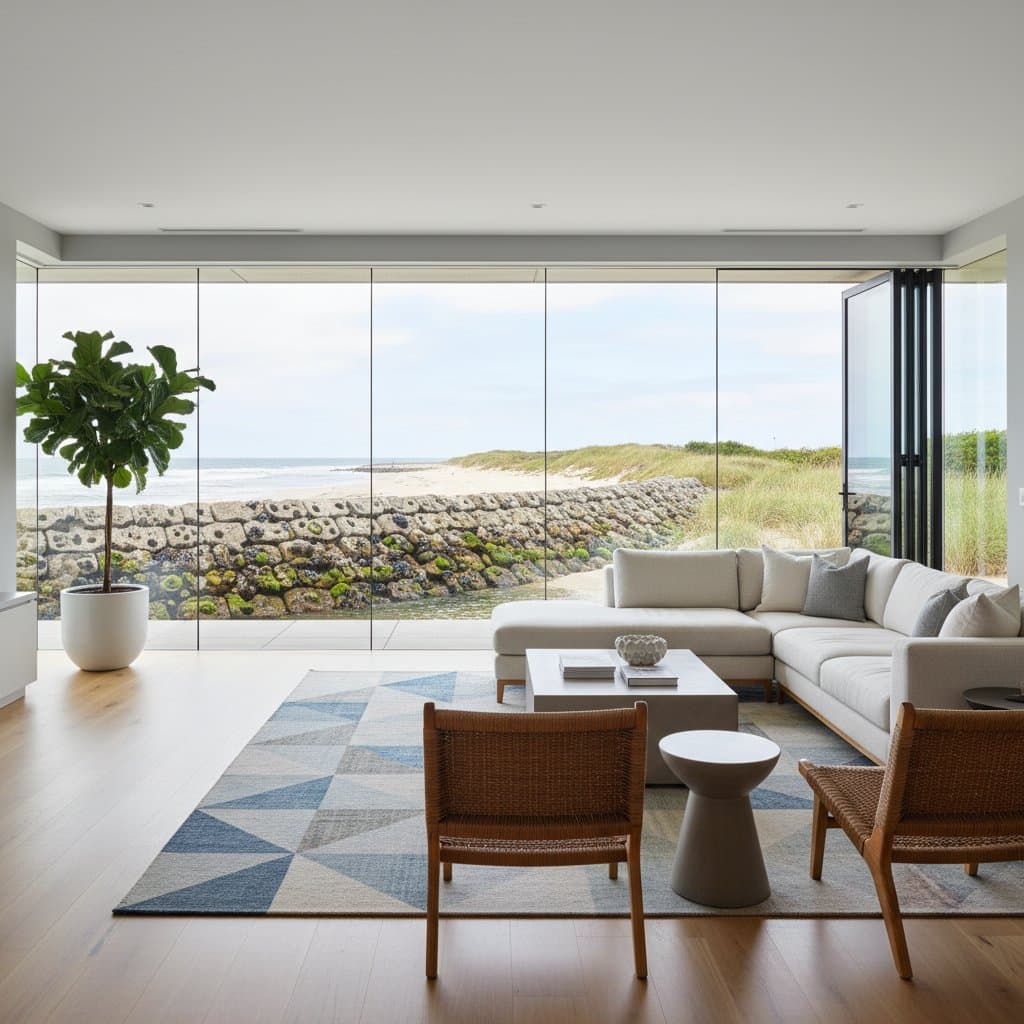
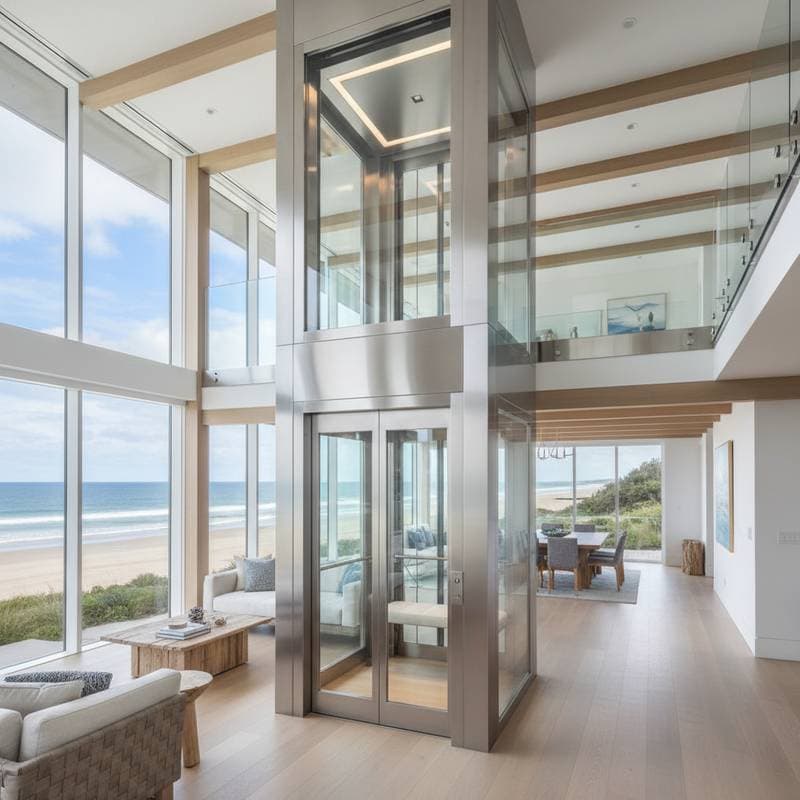
Featured image for Storm-Rated Glass Walls Blend Safety With Ocean Views

Storm-Rated Glass Walls Blend Safety With Ocean Views

Storm-rated glass walls empower coastal homeowners to capture stunning ocean vistas without safety trade-offs. These durable, impact-proof solutions merge robustness, thermal performance, and contemporary aesthetics to defy harsh elements, boosting livability and sophistication year-round.

By Carol Bisson
Featured image for Eco Seawalls Replace Concrete on Pacific Coast

Eco Seawalls Replace Concrete on Pacific Coast

Eco seawalls redefine San Diego shorelines, substituting concrete with dynamic ecosystems that shield properties and foster biodiversity. This resource outlines expenses, material choices, setup guidance, and care routines, demonstrating how eco-friendly designs elevate property worth, curb erosion, and support vibrant marine environments.

By John Allman
Featured image for Amphibious Foundations Let Coastal Homes Float in Floods

Amphibious Foundations Let Coastal Homes Float in Floods

Rising sea levels challenge coastal communities, but amphibious foundations offer a dynamic response. These innovative systems allow homes to rise with floodwaters and settle back afterward, merging engineering precision with everyday livability. Discover the advantages of this technology for protecting properties and embracing a flood-ready future.

By Pam Jarnigan