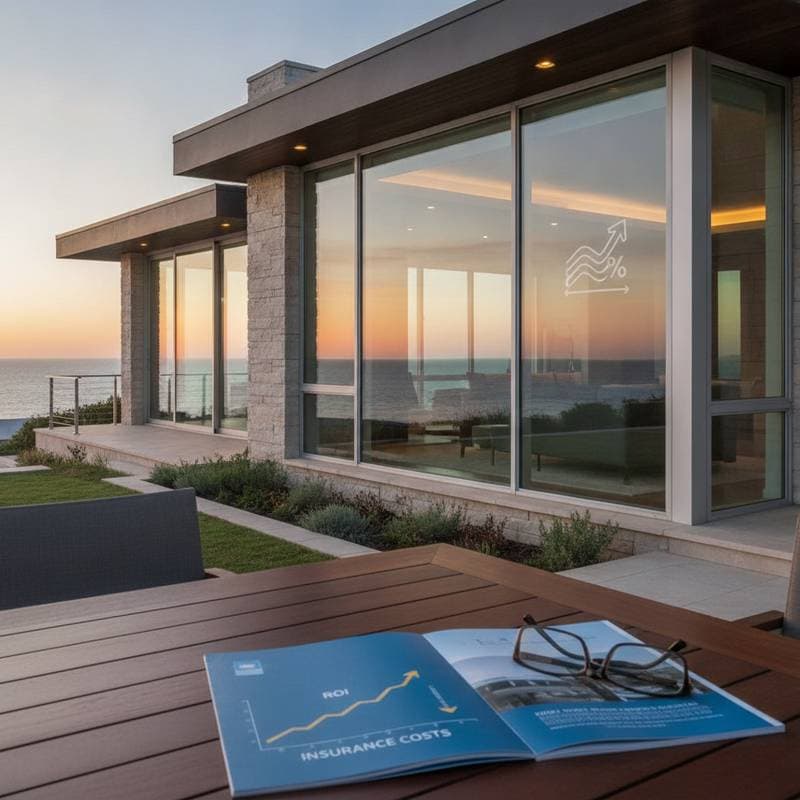
Featured image for Coastal Impact Windows Cost $1,000-$2,500 in 2026

Coastal Impact Windows Cost $1,000-$2,500 in 2026

Coastal impact windows deliver essential storm resistance, energy efficiency, and value appreciation for waterfront properties. Installed costs in 2026 range from $1,000 to $2,500 per window, varying by type, size, and regulations. This overview details pricing influences, benefits, and practical steps for a secure, comfortable home.

LLori Thornton
Read Article

Latest Articles

Featured image for Hidden Hurricane Shutters Protect Coastal Homes Invisibly

Hidden Hurricane Shutters Protect Coastal Homes Invisibly

Invisible shutters deliver discreet storm defense for coastal properties, merging security with sleek aesthetics. This overview addresses expenses, setup choices, durable materials, and care essentials. Understand how these retractable barriers resist fierce winds and corrosion, upholding scenic appeal vital for seaside residences.

By John Allman
Featured image for Living Shorelines Cut Seawall Costs in Half

Living Shorelines Cut Seawall Costs in Half

Frustrated by expensive and failing seawalls? Living shorelines employ native vegetation, oyster reefs, and organic materials to shield waterfront properties, revive marine habitats, and lower erosion control costs by as much as 50 percent. These strategies offer practical, environmentally beneficial options that build resilience over time, preserving your coastal assets affordably.

By Carol Bisson
Featured image for Living Seawalls Cost Less Long-Term Than Concrete

Living Seawalls Cost Less Long-Term Than Concrete

Living seawalls present coastal property owners with an intelligent, sustainable substitute for concrete defenses. Merging engineering, aesthetics, and biology, they secure shorelines, cultivate aquatic habitats, and refine water conditions. Despite a modest initial premium, these adaptive installations appreciate in value, elevate real estate worth, and yield enduring, picturesque waterfronts.

By John Allman
Featured image for Why Prefab Coastal Rooms Beat Traditional Additions

Why Prefab Coastal Rooms Beat Traditional Additions

Prefab coastal rooms transform home expansions by offering accelerated construction, budget predictability, and resilience against seaside elements. Fabricated off-site for accuracy and minimal waste, these modular structures integrate seamlessly with existing properties, providing coastal residents with efficient, customizable, and eco-friendly alternatives to conventional methods. Uncover the reasons prefab surpasses traditional approaches.

By Jessie Landes
Featured image for Coastal Glass That Stays Clear in Sea Fog

Coastal Glass That Stays Clear in Sea Fog

Fog-resistant glass elevates coastal patios by ensuring unobstructed ocean views amid humidity and salt exposure. Advanced nano coatings eliminate condensation, simplify maintenance, and provide UV shielding alongside energy savings. This upgrade delivers enduring clarity, comfort, and value for those embracing seaside lifestyles.

By Jessie Landes
Featured image for Why Coastal Homes Are Switching to Solar Shingles

Why Coastal Homes Are Switching to Solar Shingles

Coastal homeowners in 2026 increasingly select solar shingles instead of traditional panels due to their integrated design, resilience against storms, and substantial long-term savings. These shingles merge seamlessly with roof structures to endure salt exposure, high winds, and humidity, while improving energy output and home value. Examine nine compelling reasons why solar shingles transform energy-conscious living along the coast.

By Carol Bisson
Featured image for Living Seawalls Protect Coasts and Restore Marine Life

Living Seawalls Protect Coasts and Restore Marine Life

Living seawalls represent a breakthrough in coastal defense, integrating ecological principles to mitigate erosion and nurture marine biodiversity. These structures surpass conventional concrete barriers by absorbing wave impacts, supporting diverse ecosystems, and evolving with natural processes for enduring protection.

By Lori Thornton
Featured image for Oyster Reefs Buffer Waves Better Than Concrete Walls

Oyster Reefs Buffer Waves Better Than Concrete Walls

Coastal areas increasingly turn from rigid concrete seawalls to vibrant oyster reefs that safeguard against erosion, purify surrounding waters, and revive marine ecosystems. These dynamic structures strengthen with time, fostering biodiversity while delivering reliable protection. Learn how these natural defenses promote sustainable coastal resilience through innovation and collective effort.

By Lori Thornton
Featured image for Solar Glass Costs $18/Sq Ft for Coastal Roofs

Solar Glass Costs $18/Sq Ft for Coastal Roofs

Coastal homeowners increasingly choose solar glass, transparent panels that produce clean energy while maintaining stunning ocean views. Priced at approximately $18 per square foot, this innovation merges sustainability with contemporary aesthetics. This guide covers cost details, installation options, and strategies to maximize savings for your coastal property.

By John Allman
Featured image for Living Seawalls Protect Shores and Restore Marine Life

Living Seawalls Protect Shores and Restore Marine Life

Living seawalls integrate engineering and ecology to shield coastal homes from erosion and enhance marine biodiversity. Unlike rigid concrete barriers, these innovative structures absorb waves, foster habitats for oysters and fish, and purify water. This comprehensive guide details planning, building, and maintaining living seawalls to create a durable, vibrant ecosystem in your backyard.

By Jessie Landes
Featured image for Smart Glass Solves Coastal Glare Without Blocking Views

Smart Glass Solves Coastal Glare Without Blocking Views

Coastal homes face glare, heat, and corrosion from seaside elements. Adaptive smart glass provides an elegant fix, tinting automatically to ensure comfort, efficiency, and privacy while preserving cherished views. Learn how this technology safeguards interiors, lowers bills, and elevates property appeal.

By Carol Bisson